
Tools
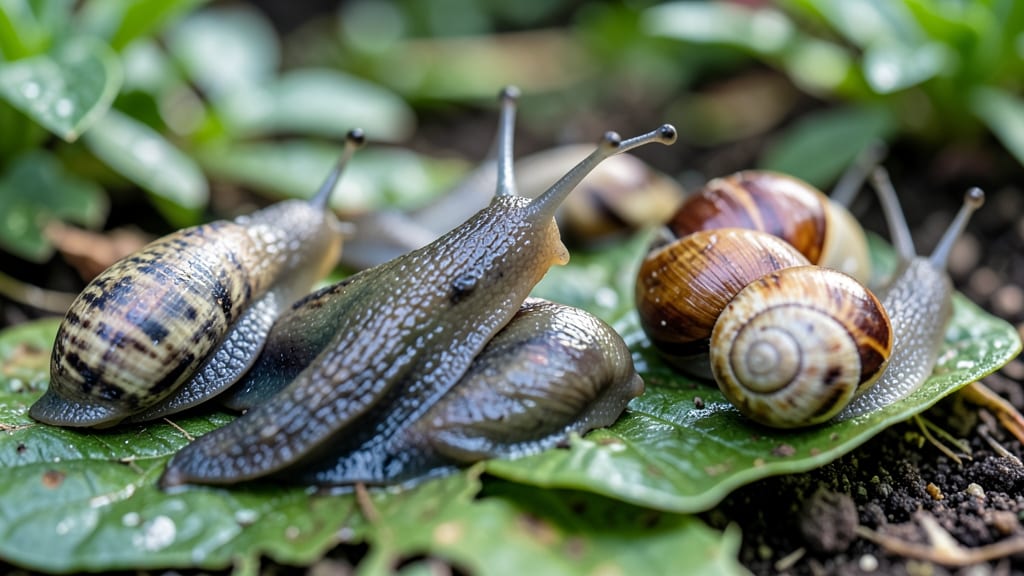
Ridding your garden of slugs and snails doesn’t have to be a losing battle—copper barriers actually work by disrupting their slimy paths.
Picture this: You wake up to find your hosta leaves looking like Swiss cheese, and the culprit is a trail of glistening slime. 🐌 Traditional traps often fail, but copper creates an invisible electric shock that sends these pests packing—no chemicals needed.
This method is especially useful in Zone 6a, where slugs thrive in damp spring soil. Below, I’ll walk you through the science, step-by-step installation, and even backup natural remedies so your garden stays intact.
By the end, you’ll know exactly where to place copper tape, how to troubleshoot gaps, and which plants to pair with it for extra protection.
Why copper barriers work: the science behind slug and snail repellents
Slugs and snails leave behind a trail of destruction in gardens, but copper barriers offer a science-backed solution that actually works. Unlike beer traps or crushed eggshells—which provide only temporary relief—copper creates an electrical barrier these pests simply can't cross.
The secret lies in their sensitive antennae, which detect even the slightest electric current when touching copper.
When slugs and snails glide over copper, they experience a mild electric shock that disrupts their movement. This isn’t about poisoning or trapping—it’s a behavioral deterrent that keeps them away without harming your plants or the environment.
Studies show copper is 80-90% effective when installed correctly, making it one of the most reliable organic methods.
The effectiveness of copper barriers depends on three key factors: material quality, proper installation, and consistent contact with the ground. Unlike other methods, copper doesn’t degrade quickly or require frequent replacements, offering long-term protection for your garden beds, pots, and borders.
Comparison Table: Copper Barrier Materials
Copper tape is the most popular choice for home gardeners because it’s flexible and easy to bend around pots and edges. However, copper sheets provide the best long-term protection for larger areas like vegetable beds or flower gardens.
Wire is the least durable but can be useful for quick fixes or repairing damaged sections.
One common misconception is that copper needs to be buried underground to work. In reality, the barrier only needs to be 1-2 inches above the soil to create the electric field slugs and snails detect. This makes installation simpler and reduces the risk of corrosion from direct soil contact.
Unlike beer traps—which attract pests and only work overnight—or crushed eggshells, which provide no electrical deterrent, copper barriers offer 24/7 protection. They don’t require baiting, refilling, or frequent replacements, making them a low-maintenance solution for slug and snail control.
For maximum effectiveness, ensure your copper barrier is continuous with no gaps. Slugs and snails can crawl over even small breaks, so overlap sections by at least 1 inch when bending or joining materials.
A well-installed copper barrier can protect your garden for years with minimal upkeep, unlike other methods that need constant monitoring.
If you’re dealing with a severe infestation, combining copper barriers with organic repellents like diatomaceous earth can enhance results. The copper handles the behavioral deterrence, while other methods create additional physical or chemical barriers. This dual approach keeps your garden safe without relying on harmful chemicals.
Remember, copper barriers work best when paired with good garden hygiene. Remove hiding spots like boards, rocks, and dense mulch, and water plants in the morning to allow soil to dry slightly—slugs and snails are less active in dry conditions.
With the right setup, you’ll see a noticeable reduction in damage within just a few days.
Step-by-step guide to installing a copper barrier in your garden
A copper barrier is one of the most effective ways to keep slugs and snails out of your garden—without chemicals. The secret lies in the metal’s electrical charge, which creates a mild shock that deters these pests.
Unlike beer traps or crushed eggshells, copper works 24/7 and lasts for years with minimal maintenance. Here’s how to install it like a pro, whether you’re protecting raised beds, container gardens, or flower borders.
Before you start, gather your supplies: copper tape (1-inch wide), wire cutters, a staple gun or copper spikes, and gloves. For tricky areas like corners or edges, you’ll also need a pair of pliers to bend the copper without tearing it.
The key to success? A continuous barrier with no gaps—slugs can squeeze through even the tiniest openings. Let’s get started with the step-by-step installation.
Use a tape measure to outline the area where slugs and snails enter—typically the edges of raised beds, container rims, or along garden borders. Mark the path with a pencil or spray paint for precision.
Use wire cutters to trim the copper tape to fit your marked path. Leave an extra 1-2 inches at corners or overlaps to ensure full coverage. Avoid stretching the tape, as this can weaken it over time.
For corners or curved edges, use pliers to gently bend the copper tape. Hold the tape at a 45-degree angle and bend slowly to avoid cracks. Secure overlaps with copper staples or spikes every 6-8 inches to maintain tension.
Attach the copper tape to the outer edge of your garden beds or containers. For raised beds, staple the tape to the underside of the rim so it’s invisible but effective. In ground-level gardens, bury the tape 1-2 inches deep along the perimeter.
Run your fingers along the entire barrier to ensure no gaps exist. If you spot a hole, overlap the copper tape and secure it with a staple. Test the barrier by placing a few slugs or snails near it—if they avoid it, you’re good to go!
Inspect your copper barrier every 3-6 months for signs of corrosion or damage. If the tape turns green or develops holes, replace the affected section. With proper care, a copper barrier can last 5-10 years!
One common mistake gardeners make is installing the copper barrier inside the raised bed or container. This traps slugs inside with your plants! Always place the barrier on the outer edge to create a one-way block.
Another pro tip: Combine copper with dry diatomaceous earth around the base of plants for extra protection. This two-pronged approach maximizes your chances of keeping slugs and snails at bay.
If you’re working with potential corrosion in humid climates, opt for copper wire instead of tape. Wire is less prone to oxidation and easier to bend around irregular shapes.
Just ensure it’s buried or attached securely—slugs can still bypass loose sections. With these steps, your garden will be slug-proof in no time!
🌱