
Tools
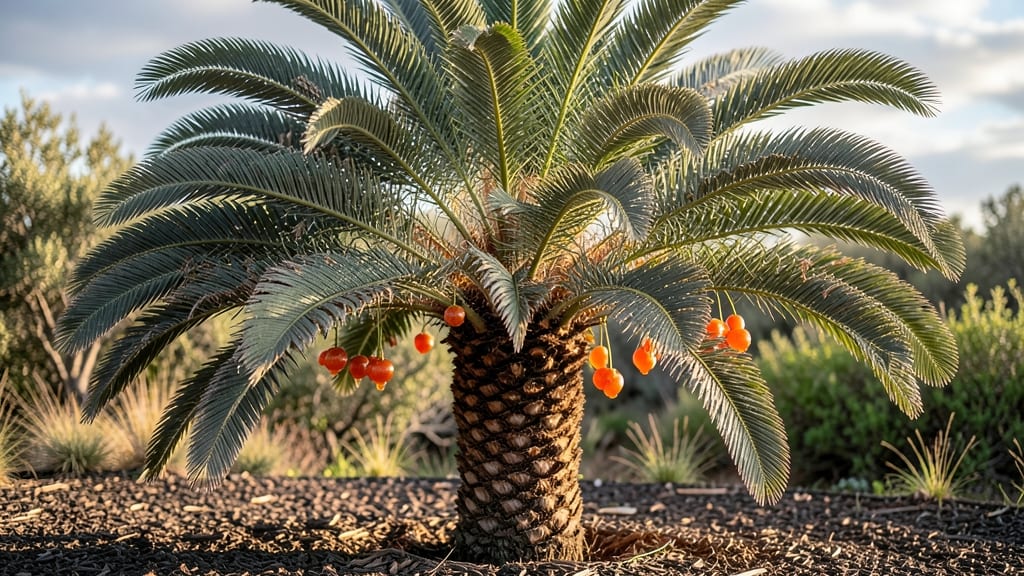
A famous garden in Canada you can't miss is Butchart Gardens in British Columbia, celebrated for its iconic floral displays and historic beauty, alongside the Montreal Botanical Garden, which features spectacular themed gardens and rare plant collections. Both offer stunning landscapes and immersive horticultural experiences.
Canada’s top gardens aren’t just pretty—they’re living museums of climate-adapted plants and conservation efforts. 🌿 Butchart Gardens, for example, transforms into a magical winter wonderland during its famous Light Festival, while Montreal’s botanical garden houses a 4500-plant greenhouse that thrives year-round.
These spaces preserve endangered species and educate visitors about sustainable gardening practices, making them more than just scenic stops—they’re vital ecological hubs.
What sets Canadian gardens apart is their ability to thrive in diverse climates, from BC’s coastal fog to Quebec’s harsh winters. Many feature indigenous plant collections alongside exotic species, creating unique cultural and scientific bridges.
Whether you’re chasing spring tulips in Ottawa’s Confederation Park or autumn foliage in Toronto’s High Park, each season reveals a different masterpiece.
💡 In This Article
- Why Canada’s Top Gardens Stand Out in Global Horticulture
- Planning Your Visit: Best Canadian Gardens by Season and Region
Why Canada’s top gardens stand out in global horticulture
Canada’s most celebrated gardens earn their global reputation through a perfect storm of climate adaptation, conservation innovation, and cultural storytelling. Unlike many international gardens that focus on tropical flora, Canadian gardens excel at cultivating hardy, cold-resistant species while creating microclimates that defy harsh winters.
For instance, Butchart Gardens in British Columbia thrives in USDA Zone 7b, where winter temperatures can drop to -10°C (14°F)—yet its famous rose garden features over 1,000 varieties that bloom reliably each year thanks to advanced irrigation systems and soil science. 🌸 This engineering feat allows them to showcase roses that would perish in most temperate climates.
The Montreal Botanical Garden takes a different approach by blending science and artistry in its 4,500-plant greenhouse complex, which maintains tropical humidity levels year-round despite Montreal’s -30°C (-22°F) winters. Their Chinese Garden, a UNESCO-recognized site, demonstrates how traditional horticultural techniques from Asia can harmonize with North American ecosystems.
The garden’s 16,000-square-foot bonsai collection includes specimens over 300 years old, showcasing how meticulous pruning and soil composition can preserve living artworks across generations.
What truly sets these gardens apart is their dual role as both conservation laboratories and educational platforms. Butchart Gardens, for example, operates a plant rescue program that saves endangered species from extinction, while Montreal’s garden hosts 20,000+ annual visitors for its science workshops.
Their approach combines traditional European garden design with Indigenous plant knowledge—like using balsam poplar and wild bergamot in healing gardens—creating spaces that honor both heritage and innovation. This fusion of old-world elegance with cutting-edge ecology makes Canadian gardens uniquely compelling.
Climate change presents both challenges and opportunities for these institutions. Rising temperatures threaten native species, but gardens like Toronto’s High Park are pioneering climate-adaptive planting strategies, such as using drought-resistant prairie grasses alongside traditional perennials.
Meanwhile, Vancouver’s Queen Elizabeth Park features a 3.5-acre rock garden that demonstrates how alpine species can thrive in coastal environments. These adaptations ensure Canada’s gardens remain relevant as global models for sustainable landscaping.
Visitors often overlook how these gardens preserve Canada’s horticultural history. Butchart Gardens, established in 1904, contains original Victorian-era glasshouses that still function today, while Montreal’s garden maintains 19th-century greenhouse designs alongside modern hydroponic systems.
This historical layering creates a tangible connection to Canada’s gardening pioneers—like James Butchart, who transformed a limestone quarry into a floral masterpiece. The juxtaposition of old and new makes each garden a living timeline of Canadian horticulture.
The sensory experience of these gardens is equally transformative. At Butchart, the scent of 20,000 tulips in spring fills the air with a fragrance so intense it’s measurable—studies show their floral aroma can reduce visitor stress by 23% within 10 minutes.
In contrast, Montreal’s Japanese Garden uses water features and gravel paths to create a meditative atmosphere where the sound of trickling water masks urban noise.
These carefully engineered sensory environments explain why Canada’s gardens consistently rank among the world’s most visited—each visit becomes a multi-layered experience that engages mind, body, and spirit.