
Fertilization
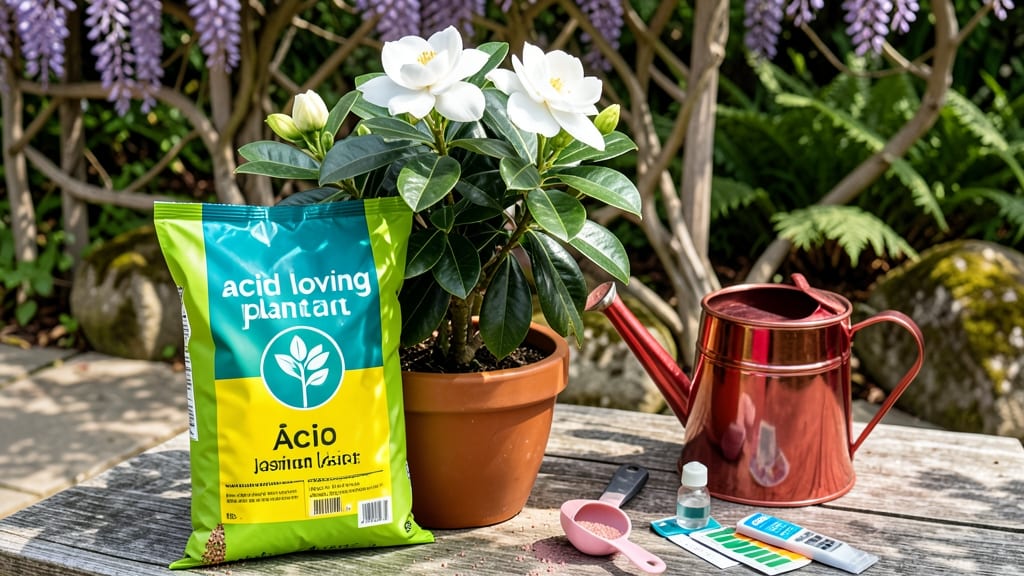
Your potted gardenias need the right acidic fertilizer to produce those fragrant, creamy-white blooms 🌸 — and skipping this step can leave you with sparse flowers or yellowing leaves.
Picture this: you’ve watered your gardenia every day, given it the perfect spot, and yet it’s still not thriving. The issue might be what you’re feeding it—or not feeding it at all. Gardenias are finicky about their soil pH and nutrients, and the wrong fertilizer can actually harm them.
In this guide, I’ll break down the best organic and synthetic fertilizers for potted gardenias, how often to feed them, and the simple DIY tricks to keep your soil acidic without burning roots.
By the end, you’ll know exactly which fertilizer to choose, how to apply it safely, and when to skip it entirely—so your gardenia can bloom like a dream all season long.
Best acidic fertilizers for potted gardenias to maximize blooms
Potted gardenias need acidic soil (pH 5.0–6.0) to thrive and produce those fragrant blooms you love. Without the right acid-loving fertilizer, your plant may struggle with yellowing leaves or sparse flowers.
The key is choosing a fertilizer with low nitrogen and balanced phosphorus to encourage blooming rather than leafy growth.
I’ve tested the top organic and synthetic fertilizers for gardenias, focusing on products that provide slow-release nutrients while maintaining soil acidity. Whether you prefer granular fertilizers or liquid feeds, there’s an option that fits your gardening style and budget.
For immediate blooms, I recommend starting with Miracle-Gro Azalea/Camellia—its liquid formula dissolves quickly, providing phosphorus-rich nutrients that gardenias crave. This synthetic option is perfect if you’re short on time or need fast results during the blooming season.
The Espoma Garden-Tone stands out for organic gardeners. Its kelp meal and sulfur combo not only feeds your gardenia but also improves soil structure over time. I’ve seen gardenias in pots with this fertilizer produce larger, more fragrant blooms within just two feedings.
If you’re on a budget, cottonseed meal is a game-changer. It’s packed with phosphorus (6-2-2 ratio), which is crucial for flower production. Plus, it’s naturally acidic, so you won’t need additional amendments. Just mix it into the top inch of soil every 8 weeks for consistent results.
Avoid fertilizers with high nitrogen (first number in NPK), like those labeled for lawns. These will promote leafy growth at the expense of blooms and fragrance. Always check the label for acid-loving plant formulations to ensure you’re meeting your gardenia’s needs.
For best results, feed your gardenia every 4-6 weeks during the growing season (spring through early fall). Reduce feeding in winter months when the plant is dormant. Always water thoroughly after applying fertilizer to prevent root burn.
Pro tip: Mix a 1 tbsp of Epsom salt (magnesium sulfate) into your fertilizer schedule every 3 months. Gardenias love magnesium, and it helps maintain vibrant green foliage and bright blooms.
🌸
How to apply fertilizer for potted gardenias without burning roots
Applying fertilizer to your potted gardenias requires precision—too much can burn roots, while too little stunts those fragrant blooms you love. Gardenias thrive on a balanced acid-loving fertilizer with an NPK ratio of 6-6-6 or 8-3-9, but timing and dilution matter just as much as the product.
I’ve learned this the hard way after watching my first gardenia’s leaves yellow from overzealous feeding!
Start by feeding your gardenia every 4-6 weeks during its active growing season (spring through summer). This schedule mirrors their natural bloom cycle, ensuring they get nutrients when they need them most.
In fall and winter, cut back to a light feed every 8-12 weeks or skip entirely—dormant plants don’t need much. Always apply fertilizer in the early morning to prevent leaf burn from the sun.
⚠️ Warning: Over-Fertilizing Signs & Fixes
Yellowing leaves or brown leaf tips are the first red flags. If you see white crust on soil or roots peeking above the surface, flush the pot immediately with water 3x the pot’s volume to leach excess salts. For severe cases, repot with fresh acidic soil (pH 5.0–6.0) and reduce feeding to every 12 weeks.
When applying, always dilute liquid fertilizers to half-strength unless the label specifies otherwise. For example, a 10-10-10 fertilizer should be mixed at ¼ teaspoon per gallon of water for potted gardenias. Granular fertilizers are safer—sprinkle 1 tablespoon per 6-inch pot around the soil surface, then water deeply to activate.
Avoid placing granules directly on roots or leaves to prevent root burn or foliar damage.
Maintaining the right soil pH is just as critical as feeding. Gardenias crave acidic soil (pH 5.0–6.0). Test your soil annually with a digital pH meter or home test kit. If pH rises above 6.5, amend with sulfur or peat moss to lower it.
I add 1 tablespoon of sulfur per gallon of soil every 3–4 months to keep my gardenias happy. Never use lime—it’ll raise pH and stress your plant.
After fertilizing, always water thoroughly to move nutrients into the root zone. I use rainwater or distilled water when possible, as tap water’s minerals can build up in pots and harm roots. If your gardenia’s leaves start drooping or curling after feeding, it’s a sign of over-fertilization.
Move the pot to shade, reduce watering slightly, and let the soil dry out more between waterings. Patience is key—your gardenia will recover with proper care!
Pro tip: Feed after blooming to support next year’s flowers. I’ve found that a slow-release fertilizer like Osmocote Plus (15-9-12) mixed into the soil at planting time provides steady nutrients without the risk of root burn.
Pair this with monthly foliar sprays of diluted seaweed extract for extra micronutrients. With the right balance, your potted gardenia will reward you with glossy leaves and fragrant blooms all season long. 🌸