
Shrubs
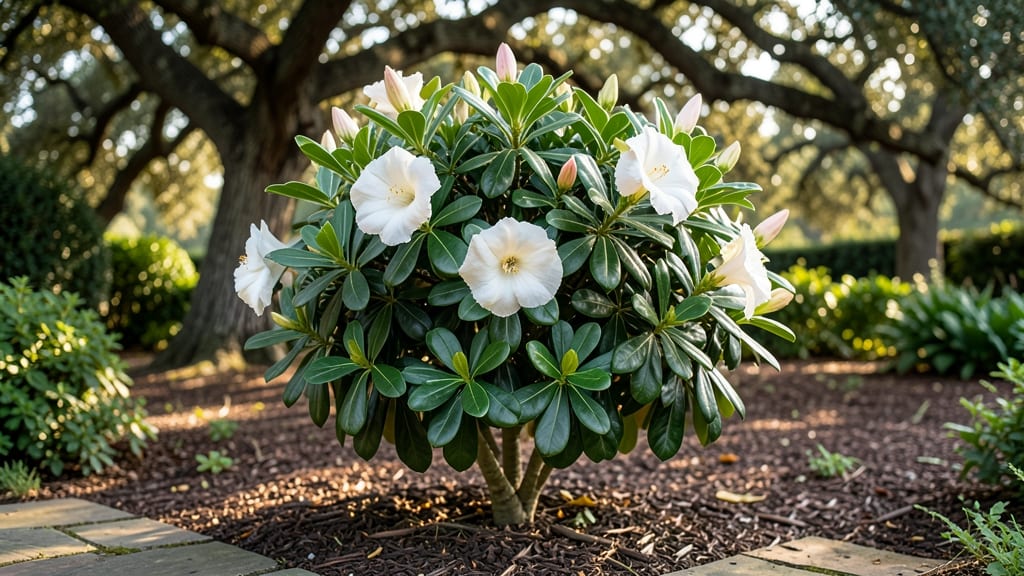
A full grown gardenia bush 🌸 can reach 4-6 feet tall, filling your garden with intoxicating fragrance—but only if you give it the right care.
Picture this: your gardenia’s glossy leaves are yellowing, the blooms are sparse, and the sweet scent you love is nowhere to be found. The problem? Most gardeners don’t know the key to keeping a mature bush thriving.
In this guide, you’ll discover how to prune for maximum blooms, adjust watering and feeding for every season, and spot the early signs of pests or disease before they take hold.
With the right techniques, your gardenia will reward you with year-round fragrance—no more guesswork, just lush, healthy growth.
How to prune a full grown gardenia bush for maximum blooms
A full-grown gardenia bush can reach heights of 4-6 feet and spread just as wide, creating a stunning focal point in your garden. But without proper pruning techniques, those lush, fragrant blooms can become sparse, and the bush may look leggy or overcrowded.
The key to keeping your gardenia thriving lies in understanding when and how to prune—timing is everything!
Most gardeners make the mistake of pruning at the wrong time, which can actually reduce next year's blooms. Gardenias bloom on new wood, meaning they produce flowers on current season's growth rather than old wood.
This makes pruning a delicate balance—too aggressive, and you risk cutting off next year's flower buds; too little, and the bush becomes unruly. Let's dive into the step-by-step process to keep your gardenia bush looking its best while maximizing those sweet, intoxicating blooms.
Late winter to early spring (just before new growth begins)
Sterilized pruning shears, sharp bypass pruners, gloves, and rubbing alcohol (70% or higher)
Cut back any brown, mushy, or blackened branches to the nearest healthy growth
Selectively remove 1/3 of oldest stems at the base to improve airflow and sunlight penetration
Lightly trim outer branches to maintain natural shape, avoiding cutting back more than 1/3 of total growth
Wipe tools with rubbing alcohol between cuts, then dispose of clippings away from the plant
Apply acidic fertilizer (like 10-10-10) to encourage new growth and blooms
When pruning your full-grown gardenia bush, always use sterilized tools to prevent spreading disease. I can't stress this enough—gardenia bushes are particularly susceptible to fungal infections like powdery mildew and root rot.
Before making any cuts, wipe your pruners with rubbing alcohol or a 10% bleach solution to keep them clean between plants.
Another pro tip: never prune during the blooming season (typically spring to early summer). Cutting back too late can remove next year's flower buds, which form on the current season's growth.
Instead, focus your pruning efforts on late winter or early spring, just as the plant begins to show signs of new growth. This timing ensures you're encouraging fresh, healthy branches that will produce abundant blooms.
If your gardenia bush has become overgrown or leggy, you might be tempted to do a drastic pruning job. But resist the urge! Gardenias respond poorly to heavy pruning—never remove more than one-third of the plant's total growth in a single session.
For severely overgrown bushes, consider light pruning over two seasons to avoid shocking the plant. This gradual approach helps maintain the bush's natural shape while encouraging a healthy recovery.
After pruning, give your gardenia bush a little extra care to help it recover. Increase watering slightly for the first few weeks post-pruning, but avoid overwatering, which can lead to root rot.
A thin layer of mulch around the base will also help retain moisture and regulate soil temperature. Just be sure to keep the mulch 2-3 inches away from the trunk to prevent rot.
One common mistake gardeners make is pruning gardenias too close to the trunk. Always make cuts just above a leaf node or bud, which is where new growth will emerge. If you accidentally cut too close, the wound may not heal properly, leaving the plant vulnerable to infections.
Aim to leave at least 1/4 inch of stem above the bud when making your cuts for the best results.
Finally, don't forget to monitor your gardenia bush after pruning. Look for signs of new growth within 4-6 weeks. If you don't see fresh leaves or stems emerging, it might be a sign of stress or disease. In
Essential care tips for year-round fragrance in gardenia bushes
A full grown gardenia bush thrives when you mimic its natural tropical habitat. The secret to year-round fragrance lies in understanding its core needs: acidic soil, consistent moisture, and moderate sunlight.
Unlike many shrubs, gardenias demand attention to detail—especially during winter dormancy—to prevent leaf drop and weak blooms.
Your gardenia’s soil pH should stay between 5.0 and 6.5. If your local soil is alkaline, amend it with peat moss or sulfur before planting. Even established plants benefit from a top-dressing of compost in spring to replenish nutrients.
Without proper soil prep, your bush may struggle to absorb essential micronutrients like iron and magnesium, which directly impact bloom quality.
| Care Factor | Full Grown Gardenia Requirement | Seasonal Adjustments |
|---|---|---|
| Soil | Acidic (pH 5.0-6.5), well-draining | Add compost spring/fall; avoid lime |
| Watering | Deep soak weekly (1L per plant) | Reduce to bi-weekly in winter; never let soil dry completely |
| Sunlight | Partial shade (4-6 hours morning sun) | Provide afternoon shade in hot zones; winter sun helps dormancy |
| Fertilization | Balanced 10-10-10, slow-release | Feed spring/summer; skip fall/winter |
| Winter Care | Protect from frost (Zone 6+) | Mulch heavily; reduce watering by 75% |
Watering your full grown gardenia bush requires precision. Always water at soil level (not overhead) to prevent fungal diseases like powdery mildew. Aim for a deep soak once weekly during summer, but adjust to bi-weekly in winter when growth slows.
A simple test: Stick your finger 2 inches into the soil—if it’s dry, water thoroughly. Overwatering is the #1 killer of gardenias, leading to yellowing leaves and root rot.
Sunlight is another critical factor. While gardenias love morning sunlight, they hate afternoon heat. In hot climates, position your bush where it gets 4-6 hours of filtered light. If your gardenia’s leaves start scorching, move it to a shadier spot immediately.
In winter, however, a bit more sun helps maintain dormancy health—just avoid frost exposure, which can kill new growth.
Fertilizing year-round is a myth for gardenias. Feed only during active growth (spring and summer) with an acid-loving fertilizer. I recommend a slow-release 10-10-10 blend applied every 6 weeks. In fall, stop fertilizing entirely to let the plant harden off for winter.
A common mistake? Using high-nitrogen fertilizers, which promote leafy growth at the expense of fragrant blooms.
For winter care, focus on protection and reduced maintenance. Mulch your gardenia with 3-4 inches of pine bark mulch to insulate roots. In colder zones (below 6a), wrap the bush with burlap or use a frost cloth for extra protection.
Reduce watering to once every 3-4 weeks unless your region experiences freezing temperatures. With these adjustments, your gardenia will recover beautifully in spring, ready to burst into fragrance.