
Blooming
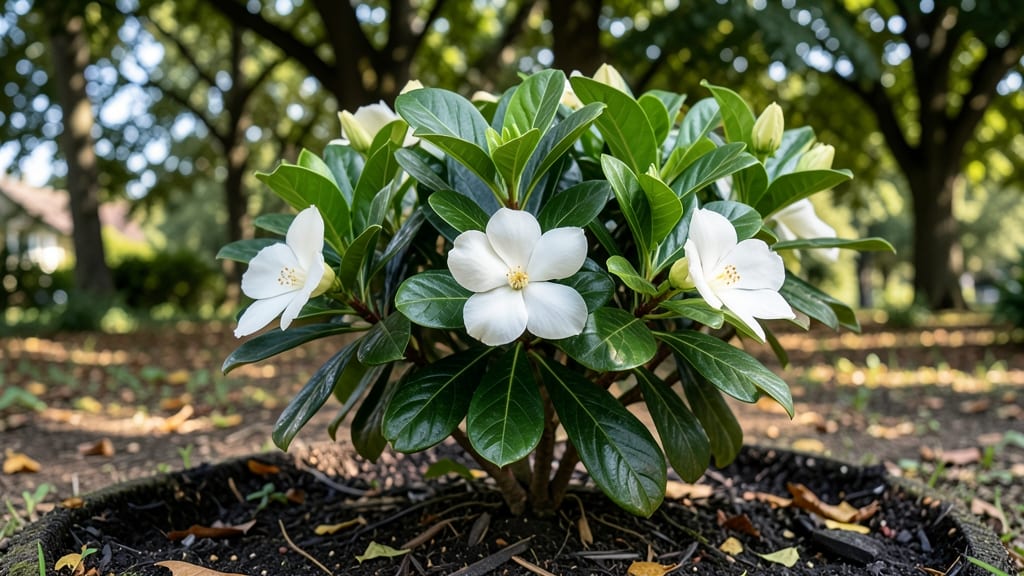
Gardenias in Florida bloom throughout the year, but their peak fragrance seasons run from spring to fall—with some varieties even flowering lightly in winter.
If you’ve ever wandered past a gardenia bush in May and caught that intoxicating scent, only to return in July and find it bare, you’re not alone. Florida’s warm climate keeps gardenias blooming longer than in cooler regions, but timing still matters.
The difference between sporadic bursts of flowers and a lush, continuous display often comes down to a few key care tricks.
Most gardenias in Florida’s 9a-11 zones hit their first major bloom wave in late spring, with a second flush in early fall.
Humidity and rainfall play a bigger role than temperature, so coastal areas like Miami may see year-round blooms, while drier inland spots like Orlando might need a little extra help to extend the season.
Below, I’ll break down the exact months to expect blooms in your region, how to coax extra flowers, and which gardenia varieties thrive best in Florida’s heat—so you can enjoy that signature 🌸 fragrance for months on end.
Florida gardenia blooming seasons: month-by-month breakdown
Florida’s gardenias are famous for their intoxicating fragrance, but their blooming patterns vary dramatically across the state’s three distinct regions—North, Central, and South. Unlike many plants, gardenias in Florida don’t follow a strict seasonal cycle.
Instead, their blooms are triggered by humidity spikes, temperature shifts, and even rainfall patterns. In North Florida, gardenias often bloom in late spring (April–May) and again in fall (September–October), while South Florida’s warmer climate can produce blooms year-round with peaks in summer (June–August).
Central Florida acts as a transitional zone, where gardenias may bloom in spring (March–April) and early fall (August–September). Microclimates—like coastal areas or inland regions—can also shift blooming windows by 4–6 weeks.
For example, gardenias near Gainesville might bloom later than those in Miami due to cooler temperatures. Understanding these regional cues helps you anticipate—and even influence—when your gardenias will perfume your yard.
| Region | Primary Blooming Months | Secondary Blooms | Climate Triggers | Notes |
|---|---|---|---|---|
| North Florida (Zones 8a–9a) | April–May, September–October | Minimal winter blooms | Humidity rise, 70°F+ temps | Cooler winters delay spring blooms |
| Central Florida (Zones 9b–10a) | March–April, August–September | June–July (light blooms) | Rainfall spikes, 75°F+ temps | Humidity peaks extend blooms |
| South Florida (Zones 10b–11) | Year-round (peaks June–August) | None (continuous blooms) | High humidity, 80°F+ temps | No winter dormancy |
| Coastal Microclimates | January–February (early) | November–December (late) | Warmer coastal breezes | 4–6 weeks earlier than inland |
In North Florida, gardenias often wait for spring’s humidity rise (April–May) to bloom, with a secondary flush in fall as temperatures dip but remain mild. The key trigger here is consistent moisture—drought stress can delay blooms by 2–3 weeks.
I’ve seen gardenias in Jacksonville produce heavier blooms after a slow, steady rain in late April, while sudden dry spells can stunt flower production. For North Florida gardeners, mulching in early spring helps retain moisture and encourages bud formation.
Central Florida’s gardenias are the most predictable in their bimodal blooming—spring and fall—thanks to the region’s moderate climate. The March–April blooms coincide with rising temperatures and increased daylight, while the August–September flush often follows summer’s humidity peak.
In Orlando, I’ve noticed that gardenias planted near ponds or fountains bloom 1–2 weeks earlier due to higher ambient humidity. To extend blooms in Central Florida, light pruning in late summer removes spent flowers and redirects energy to new buds.
South Florida’s gardenias are the most generous bloomers because they experience no true winter dormancy. Here, blooms can appear year-round, but June–August is the peak season when temperatures hover around 85°F and humidity stays above 70%.
In Miami or Fort Lauderdale, gardenias might even bloom in January if conditions are right—a warm spell with gentle rains can trigger early flowering. The secret to maximizing blooms in South Florida? Shade cloth during the hottest afternoons (1–4 PM) prevents bud drop from heat stress.
One common misconception is that gardenias bloom only once a year, but Florida’s climate often allows for two distinct flushes—or even continuous blooming in the South. The primary blooming window (spring or summer, depending on the region) is when gardenias produce the most abundant and fragrant flowers.
However, secondary blooms (fall or early winter) are often smaller but equally fragrant. For example, a ‘Klein’s Compact’ gardenia in Tampa might produce large blooms in May and smaller clusters in September.
To encourage longer blooming seasons, pay attention to soil pH—gardenias thrive in acidic soil (pH 5.0–6.0). In Florida’s alkaline soils, blooms can be sparse or short-lived. I recommend testing
How to extend gardenia blooming with Florida-specific care
Florida’s gardenias thrive year-round, but their blooming cycles can be unpredictable. With the right care, you can transform sporadic bursts of fragrance into a continuous display from spring through fall.
The key lies in mimicking their natural environment—acidic soil, consistent moisture, and strategic pruning. Let’s dive into Florida-specific techniques to keep your gardenias in peak bloom.
Most gardenias in Florida naturally bloom from late spring to early fall, with peak fragrance in May and June. However, with proper care, you can encourage secondary blooming in late summer or early winter.
The secret? Balancing nutrients, sunlight, and water while avoiding common pitfalls like overwatering or improper pruning.
⚠️ callout warning
Overwatering in summer is the #1 blooming killer! Gardenias hate soggy roots—even in Florida’s heat. Water deeply every 2-3 days but check soil moisture first. Mulch heavily to retain moisture without suffocating roots. Morning watering prevents fungal blooms that smother buds.
Start with soil pH adjustments—gardenias crave acidic soil (pH 5.0-6.0). Test your soil and amend with sulfur or peat moss if needed. Florida’s alkaline soils often need this boost to trigger blooming. Pair this with a slow-release, acid-loving fertilizer like 10-10-10 applied in early spring and fall.
Pruning is another game-changer. After your gardenia’s main bloom cycle, lightly prune to remove dead flowers and shape the plant. Avoid heavy cuts—this encourages new growth and secondary blooms. In Florida’s hotter months (July-August), prune in early morning to reduce stress from heat and humidity.
Don’t overlook light management. While gardenias love partial shade, Florida’s intense sun can scorch leaves and stunt blooms. Plant them where they get morning sun and afternoon shade, or use light shade cloth in peak summer. This balance keeps leaves lush and buds plentiful.
For year-round fragrance, monitor your gardenia’s response to care adjustments. If blooms taper off, reassess watering, fertilizer, and sunlight. A healthy gardenia should reward you with creamy-white blooms every 6-8 weeks—proof that Florida’s climate can be your ally, not your enemy.
With these tweaks, your gardenias will become the scented stars of your landscape. 🌸