
Tools
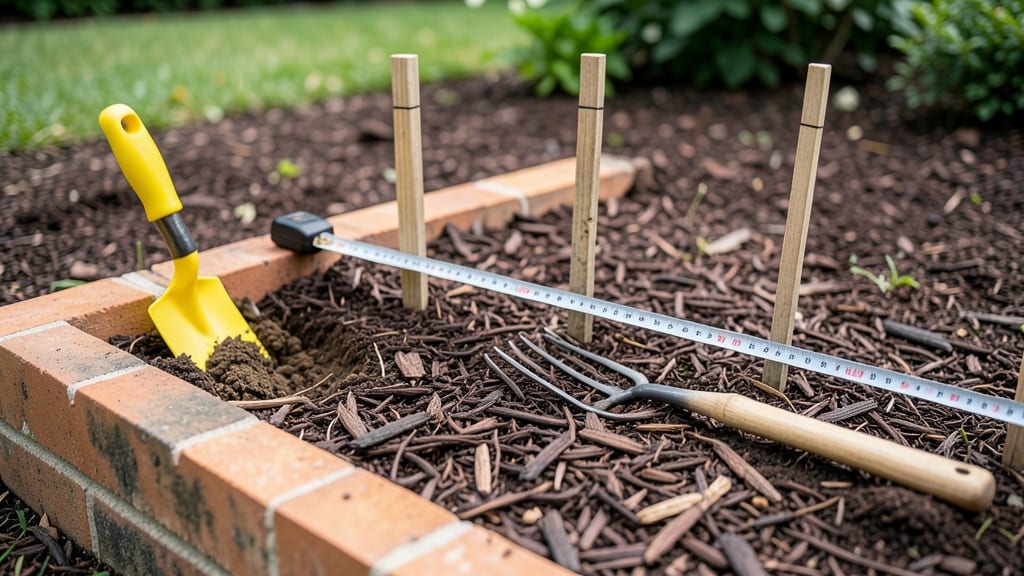
The 4-foot garden bed width is the secret weapon behind every low-stress, high-yield vegetable patch — and it’s not about guesswork.
Struggling to reach the center of your garden beds? The 4-foot rule isn’t just a myth—it’s a game-changer for reducing waste, saving space, and making gardening effortless. This measurement maximizes plant health by ensuring you can comfortably tend to every corner without stepping on the soil.
Too narrow, and you’re stuck crowding plants or wasting space with walkways. Too wide, and you’ll spend more time stretching than gardening. The 4-foot sweet spot balances accessibility, soil quality, and even weed control—plus, it aligns with how humans naturally move in a garden.
In this guide, I’ll break down why this width works for vegetables, flowers, and shrubs, how to design beds for maximum efficiency, and the common mistakes that turn a simple rule into a headache. Ready to transform your garden into a well-organized, easy-to-care-for space?
Why the 4-Foot garden bed width works best for plant health and accessibility
If you’ve ever stretched awkwardly to reach the center of your garden beds, you’re not alone. The 4-foot garden bed width isn’t just a random measurement—it’s rooted in science and ergonomics. Studies show this width maximizes accessibility, soil health, and plant growth while minimizing wasted space.
Whether you’re planting tomatoes, herbs, or flowers, this dimension ensures you can tend to every plant without strain.
Research from the University of Minnesota Extension confirms that a 4-foot width aligns perfectly with the average adult’s arm reach. Standing on either side of the bed, you can comfortably access the entire area without stepping on the soil, which reduces compaction and soil disturbance.
This simple adjustment also cuts down on weed growth by limiting the space where weeds can thrive between rows.
| Factor | 4-Foot Width Benefit | Impact on Plants |
|---|---|---|
| Ergonomics | Fits within arm's reach (2 ft from center) | Reduces soil compaction from stepping |
| Sunlight Exposure | Maximizes edge-to-center light penetration | Even growth across entire bed |
| Airflow | Prevents humidity buildup in center | Reduces fungal diseases like powdery mildew |
| Weed Control | Limits space for weed seeds to germinate | Fewer weeds = less competition for nutrients |
| Soil Quality | Even moisture distribution | Prevents dry centers or waterlogged edges |
Beyond accessibility, the 4-foot rule optimizes sunlight exposure. Plants at the edges of wider beds often outcompete those in the center for light, leading to uneven growth. With a 4-foot width, sunlight penetrates evenly, ensuring tomatoes, peppers, and leafy greens grow uniformly.
This is especially critical for shade-tolerant plants like lettuce or spinach, which can bolt if they don’t receive consistent light.
Another key advantage is airflow improvement. Wider beds create microclimates where humidity lingers, creating ideal conditions for fungal diseases like powdery mildew or blight. The 4-foot width allows air to circulate freely, reducing these risks.
For example, cucumbers and squash, which are prone to fungal issues, thrive in beds that maintain this airflow balance.
Let’s talk soil health. When beds exceed 4 feet, the center often becomes compacted or waterlogged if you step on it to tend to plants. This disrupts root systems and limits nutrient uptake. With a 4-foot width, you can mulch and water efficiently without disturbing the soil structure.
For instance, adding a layer of straw mulch helps retain moisture while suppressing weeds—both critical for root vegetables like carrots or beets.
Don’t overlook the practicality of this width for companion planting. Many plants, like basil and tomatoes, benefit from being near each other, but their spacing needs must align with the bed’s width.
A 4-foot bed allows you to pair high growers (like tomatoes) with low growers (like basil or lettuce) without overcrowding. This strategic placement boosts yields and deters pests naturally.
For raised beds, the 4-foot width is even more advantageous. The contained space makes it easier to control soil quality and drainage. You can customize the soil mix for specific plants, such as adding more sand for carrots or compost for broccoli.
Plus, raised beds with this width are easier to rotate crops annually, preventing soil-borne diseases from building up.
If you’re wondering whether this rule applies to container gardening, the answer is yes—but with adjustments. For pots or small raised beds, aim for widths of 2 feet or less to ensure you can reach all sides comfortably.
The principle remains the same: balance accessibility with plant needs. Whether you’re growing herbs in pots or vegetables in raised beds, the goal is to minimize wasted space and maximize care efficiency.
Ready to transform your garden? Start by measuring your existing beds. If they’re wider than 4 feet, consider dividing them into narrower sections or adding pathways for easier access. Your plants—and your back—will thank you! 🌱
How to design your garden beds for maximum efficiency using the 4-Foot rule
The 4-foot garden bed width isn't just a suggestion—it's a proven ergonomic and horticultural standard. Designed to fit within your natural arm's reach, this width eliminates wasted space while maximizing plant health through better airflow and sunlight penetration.
Whether you're creating raised beds or redesigning in-ground plots, this rule simplifies maintenance and boosts yields.
Start by measuring your existing beds—if they exceed 4 feet wide, you’ll struggle to reach the center without stepping on soil, compacting it and inviting weeds. The solution?
Divide wider beds into narrower sections (3-4 feet) separated by 5-inch pathways. This creates a "lasagna-style" layout where every plant gets optimal care without overcrowding.
-
📏 Step 1: Measure & Plan
Use a tape measure to check current bed widths. Sketch a layout with 4-foot beds and 5-inch paths between them. -
🌱 Step 2: Choose Materials
For raised beds, use cedar or composite lumber (rot-resistant). For in-ground, mark paths with gravel or mulch to define edges. -
🌿 Step 3: Layer Soil Properly
Fill raised beds with 12 inches of amended soil (60% topsoil, 30% compost, 10% perlite). For in-ground, till 6-12 inches deep and add compost. -
✂️ Step 4: Plant in Rows
Arrange plants in rows 12-18 inches apart, leaving 6-12 inches between plants for airflow. Use companion planting (e.g., basil + tomatoes) to maximize space. -
💧 Step 5: Water Efficiently
Water from the bed’s edges to avoid compacting paths. Use a soaker hose or drip irrigation for even moisture.
Pro tip: Add edible flowers like nasturtiums along bed edges—they repel pests and add color while keeping paths clear. For vertical growth, train vining plants (e.g., cucumbers, beans) on trellises at the bed’s end to save floor space.
Adjusting existing beds? Use a string line and stakes to mark new 4-foot sections before digging. If your space is limited, opt for 2-foot-wide beds with 2-foot paths—this works well for container gardening or small yards.
Remember, the 4-foot rule isn’t rigid—it’s a guideline. Test layouts by walking through them before planting. Your goal is comfortable reach and plant happiness, not perfection. Happy gardening! 🌱