
Landscaping
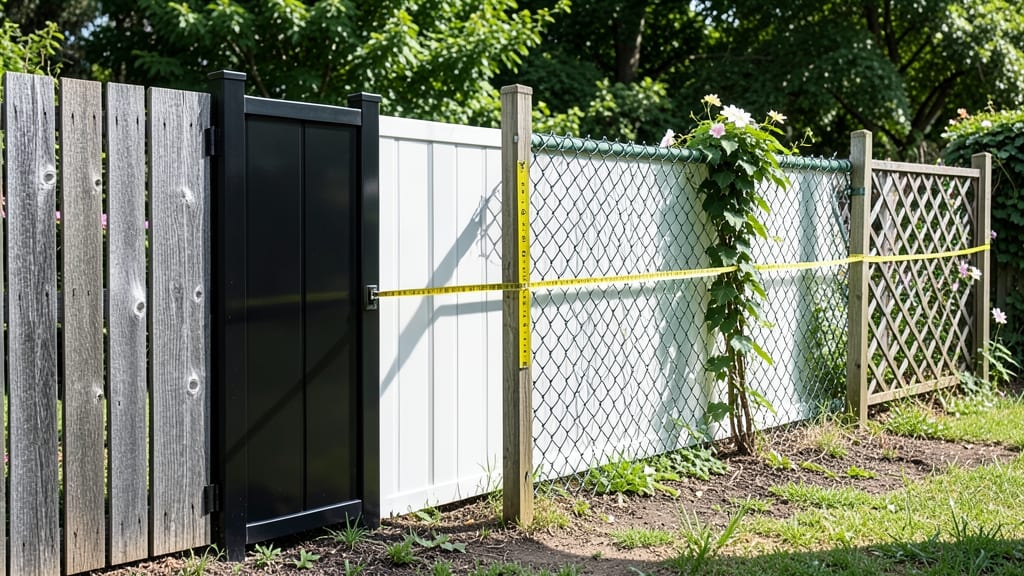
Determining garden fence height depends on your location, as residential properties typically face limits between 3 to 8 feet, with zoning laws controlling maximum heights and placement rules. Always verify local codes to prevent costly fines or forced removals.
Local regulations often break down fence height rules by property side—front yards usually have stricter limits (often 3 to 4 feet) to maintain neighborhood aesthetics, while rear and side fences can reach 6 to 8 feet for privacy. 🔥 Many counties also require setbacks from property lines, typically 2 to 6 feet, to prevent overhangs that could obstruct neighbors' views or sunlight.
I always recommend visiting your county planning department or checking their online zoning portal before purchasing materials, as some areas even require permits for fences over 4 feet tall.
Beyond legal requirements, your fence height should align with practical needs—whether you're blocking nosy neighbors, containing pets, or shielding your yard from wind. Wood and vinyl fences often top out at 6 feet due to material constraints, while metal or chain-link can sometimes go higher with proper supports.
For a polished look, consider adding lattice tops or decorative elements to soften the height while staying code-compliant.
💡 In This Article
- How Local Zoning Laws Determine Garden Fence Height
- Choosing the Right Fence Height for Privacy, Security, and Aesthetics
How local zoning laws determine garden fence height
Local zoning laws categorize fences by property location, with front yard fences facing the strictest restrictions. These regulations often cap heights at 3 to 4 feet to preserve neighborhood aesthetics and visibility for pedestrians and emergency vehicles.
Side and rear fences typically enjoy more flexibility, allowing heights up to 6 to 8 feet for privacy or security. The science behind these distinctions lies in urban planning principles—front yard visibility helps maintain community safety and property values.
Setback requirements add another layer of complexity, dictating how far your fence must sit from property lines. Most counties mandate 2 to 6 feet of clearance to prevent overhangs that could obstruct neighbors' sunlight or views.
For example, a 6-foot fence in a suburban neighborhood might need a 4-foot setback, while a rural property could allow a 2-foot clearance. These rules exist to balance individual property rights with collective neighborhood harmony.
Finding your area's specific regulations requires digging into municipal codes or visiting your county planning department.
Many cities now offer online zoning portals where you can input your address to see exact height limits and setback requirements. 🔥 Some areas even require building permits for fences over 4 feet tall, which means you'll need professional inspections at various construction stages.
Homeowners' associations (HOAs) may impose additional restrictions, so always check their covenants before installation.
The legal framework also considers fence materials and construction methods. For instance, wooden fences over 6 feet might require additional bracing to meet structural safety codes, while chain-link fences could face height limits due to their industrial appearance in residential zones.
Some communities even restrict certain materials entirely—like solid wood panels in historic districts—to preserve architectural character.
What most people don't realize is that fence height regulations often tie into broader land-use policies. For example, areas zoned for single-family homes might have different rules than multi-family properties or commercial zones. The goal is to create consistent neighborhood standards while accommodating practical needs.
Always verify with local authorities before purchasing materials, as fines for non-compliant fences can range from $250 to $1,000+, depending on your location.
Consider this real-world example: In Los Angeles, front yard fences are limited to 3 feet in most residential zones, while rear fences can reach 6 feet. The city's Department of Building and Safety enforces these rules through inspections, and violations can trigger removal orders.
Meanwhile, in rural Texas counties, you might find 8-foot fences allowed with minimal setback requirements—demonstrating how urban vs. rural contexts shape regulations.