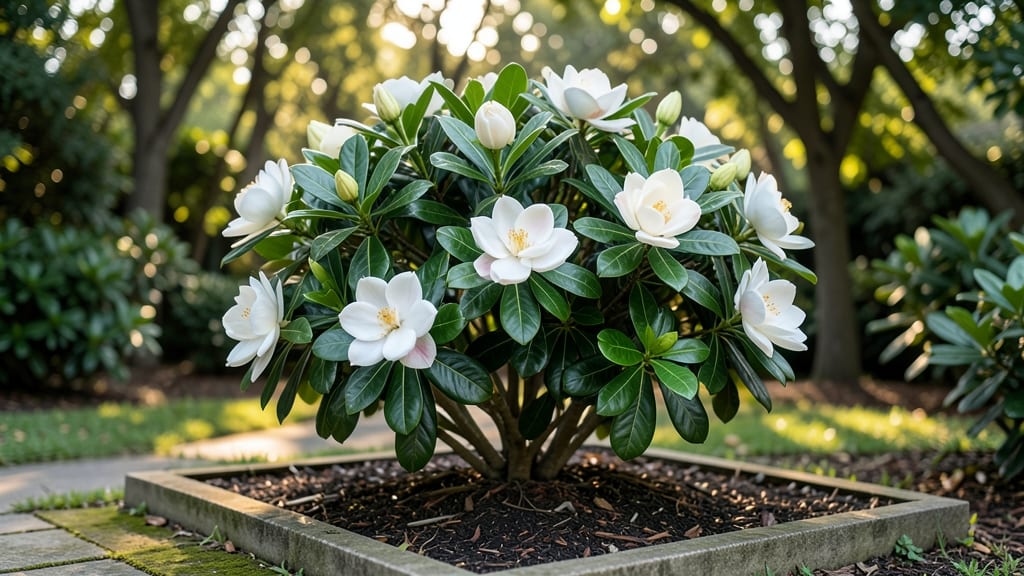
The gardenia plant size can vary dramatically—mature heights range from 2 to 6 feet, with spreads of 3 to 5 feet, depending on the variety—but many gardeners underestimate how quickly they fill out a space.
If you're dreaming of fragrant white blooms but struggling to visualize how big your gardenia 🌸 will grow, you're not alone. A dwarf variety like 'Radicans' stays compact at just 2 to 3 feet, while a standard 'Kleim's Hardy' can stretch to 6 feet tall with a 5-foot spread.
Sunlight, pruning, and even your USDA zone (like Zone 6) play a huge role in final size. Too much sun can make them leggy, while regular trimming keeps them bushier and encourages more blooms.
Below, I break down the exact size ranges for popular varieties, how to control growth in containers, and spacing tips for outdoor planting so you can plan your gardenia's perfect spot.
🌸Gardenia Planting by Zone
Find your USDA zone dates
Zone 3-4
May 15 - Jun 15
Zone 5
May 1 - May 31
Zone 6a-10a (varies by region)
April 15 (Zone 6a-10a (varies by region))5
Zone 7
Apr 1 - May 1
Zone 8
Mar 15 - Apr 15
Zone 9+
Feb 15 - Mar 31
Gardenia plant size by variety: mature height & spread guide
Choosing the right gardenia variety isn't just about fragrance—it's about space planning. Some varieties stay compact enough for patio pots, while others become privacy hedges or towering specimen plants.
The mature height and spread can vary by 3 feet or more, so let's break down the most popular types to help you pick the perfect fit for your garden.
Before we dive in, remember that gardenia sizes are influenced by pruning habits, container size, and growing conditions. The measurements below reflect unpruned, in-ground growth in ideal conditions. For container gardening, expect 20-30% smaller mature sizes unless you use large pots (20+ gallons).
Variety
Mature Height
Mature Spread
Growth Habit
Best For
Radicans
3-5 ft
3-5 ft
Bushy, rounded
Containers, small gardens
Fortuniana
6-10 ft
6-10 ft
Tall, upright
Privacy screens, large landscapes
Kleim's Hardy
4-6 ft
4-6 ft
Bushy, cold-hardy
Northern climates, hedges
Veitchii
3-5 ft
3-5 ft
Compact, dense
Borders, foundation planting
Mystery
2-3 ft
2-3 ft
Dwarf, bushy
Pots, window boxes
August Beauty
4-6 ft
4-6 ft
Upright, spreading
Specimen plant, mixed borders
Cleopatra
5-7 ft
5-7 ft
Tall, vigorous
Large gardens, hedges
Kleim's Hardy Gold
3-5 ft
3-5 ft
Bushy, cold-hardy
Northern gardens, containers
Prosperity
2-3 ft
2-3 ft
Dwarf, bushy
Patios, small spaces
Kleim's Hardy Pink
4-6 ft
4-6 ft
Bushy, cold-hardy
Color accents, hedges
How to control gardenia plant size: pruning & training tips
Controlling your gardenia’s size isn’t just about aesthetics—it’s about maximizing blooms while keeping your plant healthy. Without proper pruning, gardenias can become leggy and unruly, with fewer flowers.
The key is timing and technique, especially since gardenias bloom on new and old wood, meaning you can shape them without sacrificing flowers.
Start by understanding your gardenia’s natural growth habit. Dwarf varieties like 'Radicans' stay compact, while standard types like 'Kleim's Hardy' can reach 6 feet tall if unchecked. Your goal is to encourage bushiness and prevent overgrowth while maintaining that heavenly fragrance we all love.
Step 1: Prune After Flowering
Trim back spent blooms and overgrown branches in late summer or early fall. This encourages new growth for next year’s flowers while keeping the shape compact.
Step 2: Thin Out Crowded Branches
Remove 1/3 of the oldest or crossing branches in late winter. This improves air circulation and reduces disease risk while maintaining a balanced shape.
Step 3: Shape for Compact Growth
Pinch back new growth tips in spring to encourage branching. For standard varieties, cut back one-third of the tallest stems to promote a fuller bush.
Step 4: Support Climbing Varieties
If growing 'Veitchii' or 'Fortuniana', install a trellis or stake early. Prune to train vines upward while removing suckers at the base to focus energy on vertical growth.
Step 5: Avoid Over-Pruning
Never remove more than 1/3 of the plant in one session. Gardenias are sensitive to drastic cuts, which can reduce flower production and stress the plant.
For container-grown gardenias, pruning is even more critical. Since pots limit root growth, you’ll need to prune more aggressively to prevent the plant from becoming root-bound.
Choose a dwarf variety like 'Augusta Sue' (2-3 feet tall) for patios, and repot every 2-3 years to refresh the soil and roots.
Remember, gardenias bloom on old wood, so avoid heavy pruning in early spring when buds are forming. Instead, focus on light shaping after the main flowering season. With the right approach, you can keep your gardenia lush, fragrant, and perfectly sized for your space.