
Pruning
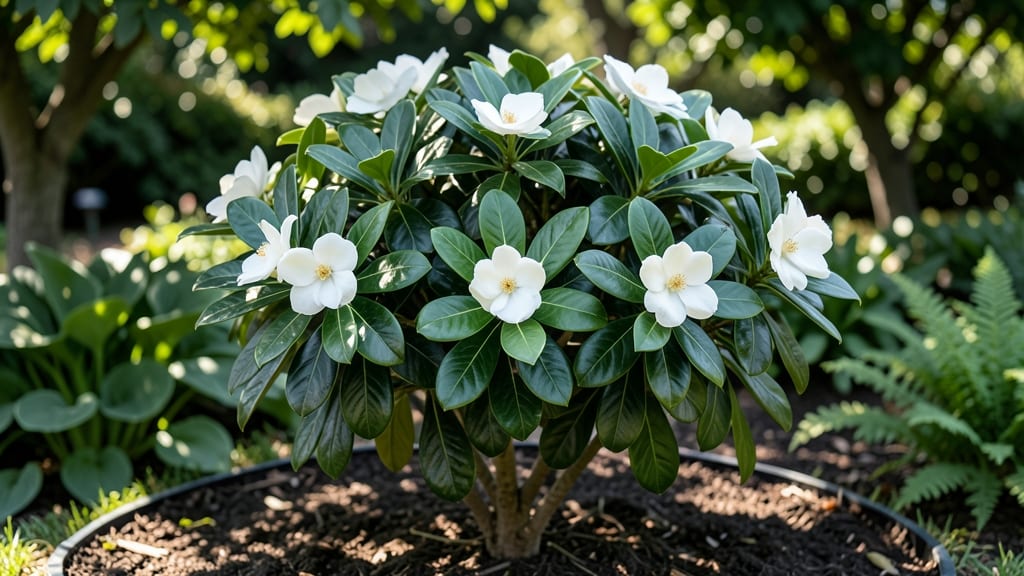
A gardenia bush height can range from 2 feet to towering 6 feet depending on the variety and care, turning your fragrant beauty into either a compact patio star or a sprawling garden centerpiece.
Struggling to keep your gardenia bush from towering over your patio or garden? Understanding its natural height and mastering strategic pruning can transform your fragrant shrub into a well-manicured, bloom-filled centerpiece—without sacrificing its iconic beauty.
Some varieties like 'Kleim’s Hardy' stay shorter, while others like 'Radicans' can reach 15 feet if left unchecked. The key to controlling its growth lies in knowing when and how to prune, along with the right soil and sunlight conditions.
Below, I’ll break down how to shape your gardenia for the perfect height, whether you want a compact bush or a lush, taller statement plant—plus the pruning secrets that keep it blooming year after year.

Natural gardenia bush height: what to expect by variety and age
If you’ve ever admired a gardenia’s intoxicating fragrance and lush foliage, you’ve probably wondered: how tall will my gardenia bush grow? The answer depends heavily on the variety you’ve planted and its age.
Some gardenias stay compact enough for container gardens, while others can become towering shrubs that dominate your landscape. Knowing these differences helps you plan your garden layout and pruning strategy from day one.
Most gardenia bushes reach their mature height between 3 and 15 feet, depending on the cultivar. For example, the 'Radicans' variety often stays under 6 feet, making it ideal for foundation plantings or small yards.
Meanwhile, the 'Fortuniana' variety can soar up to 12 feet or more, perfect for privacy screens or woodland gardens. Understanding these ranges ensures you choose the right variety for your space and design goals.
Age plays a critical role in height development. In their first year, gardenias typically grow just 1-2 feet, focusing energy on root establishment. By year three, most varieties hit 3-4 feet, and by year five, they’ll reach their full potential height.
This gradual growth means you’ll have plenty of time to shape your gardenia with pruning and training—but timing matters.
Growing conditions like sunlight exposure, soil acidity, and watering consistency can also influence height. Gardenias thrive in partial shade and acidic soil (pH 5.0-6.0). Too much direct sun or alkaline soil can stunt growth or cause leaf drop, indirectly affecting how tall your bush becomes.
Even container size matters: root-bound gardenias in small pots will grow slower than those planted in-ground.
One of the most striking aspects of gardenia growth is how their height correlates with blooming season. Taller varieties like 'Fortuniana' often produce larger, more abundant flowers but may require staking to support their weight.
Shorter varieties like 'Veitchii' bloom profusely earlier in the season, making them perfect for container gardens or patio displays. If you’re growing gardenias for their fragrance, aim for varieties that reach 4-6 feet—this height offers the best balance of accessibility and aroma dispersal.
Peak blooming height typically occurs when the bush is 3-5 years old, but this can vary based on climate and care. In warmer climates (USDA Zones 8-10), gardenias may bloom year-round, while in cooler zones (6-7), they’ll focus blooms on late spring to early summer.
If your gardenia isn’t blooming as expected, check for over-fertilizing with nitrogen (which promotes foliage over flowers) or inadequate sunlight
For gardeners in small spaces or urban settings, dwarf varieties like 'Veitchii' or 'Kleim’s Hardy' are game-changers. These stay under 5 feet and can even thrive in large containers with proper pruning. If you’re using gardenias as hedges or privacy screens, opt for 'Radicans' or 'Fortuniana', but be prepared to prune them annually to maintain a neat, manageable shape. Regular pruning not only controls height but also encourages denser foliage and more flowers. When planning your garden, consider the visual impact of height. A 6-foot gardenia can serve as a stunning focal point in a backyard corner, while a 3-foot variety might complement a front porch or balcony. Pair taller gardenias with shorter perennials like imp
How to prune gardenia bushes for controlled height and more blooms
Pruning your gardenia bush isn’t just about controlling its height—it’s about unlocking its full potential for lush, fragrant blooms. With the right techniques, you can shape your shrub to fit your space while encouraging bushier growth and more flowers.
The key lies in timing, precision, and understanding how gardenias respond to pruning.
Most gardenia varieties naturally grow 3-6 feet tall, but without proper pruning, they can become leggy and overgrown. By following a structured approach, you’ll maintain a compact, vibrant shrub that stays within your desired height limits while producing abundant blooms.
Let’s dive into the step-by-step process to transform your gardenia into a well-manicured masterpiece.
Step-by-Step Pruning Guide for Gardenia Bushes
-
Step 1: Choose the Right Time
Prune in early spring (just before new growth) or right after blooming (late summer). Avoid pruning in fall or winter, as this can stress the plant and reduce next year’s blooms. -
Step 2: Gather Your Tools
Use clean, sharp pruning shears (sterilized with rubbing alcohol) and gloves to protect your hands from the plant’s sap. Avoid dull tools, as they tear stems and invite disease. -
Step 3: Remove Dead or Damaged Branches
Start by cutting out any dead, diseased, or crossing branches. These take up energy and can hinder healthy growth. Aim for clean cuts at a 45-degree angle just above a leaf node. -
Step 4: Thin Out Overcrowded Areas
Focus on inner branches that aren’t receiving sunlight. Remove up to 20% of the plant’s foliage to improve airflow and reduce legginess. This encourages new growth from the base. -
Step 5: Shape for Desired Height
To control height, cut back new growth by one-third at the tips. For a bushier look, trim outer branches to encourage lateral growth. Never remove more than one-third of the plant in a single pruning session. -
Step 6: Fertilize After Pruning
Apply a balanced fertilizer (10-10-10) or a phosphorus-rich feed to support new growth and blooms. Water thoroughly to help the plant recover and establish new shoots. -
Step 7: Monitor and Repeat
Prune lightly every 4-6 weeks during the growing season to maintain shape and encourage continuous blooming. Avoid heavy pruning in late summer, as this can delay next year’s flowers.
One of the most common mistakes gardeners make is pruning at the wrong time or cutting too aggressively. Gardenia bushes are sensitive to over-pruning, which can lead to sparse blooms or even stunted growth.
Always prioritize selective trimming over drastic reductions in foliage. If you’re unsure, start conservatively and adjust in future sessions.
After pruning, keep an eye on your gardenia’s response. Healthy new growth should appear within 4-6 weeks, and you’ll notice more compact, bushy branches with abundant blooms. For best results, pair pruning with proper watering and acidic soil care—this trio ensures your gardenia thrives year after year.
With these techniques, your gardenia bush will stay at your desired height while bursting with fragrant flowers. The secret is patience and consistency—your shrub will thank you with lush, vibrant growth and a stunning display of blooms.