
Plants
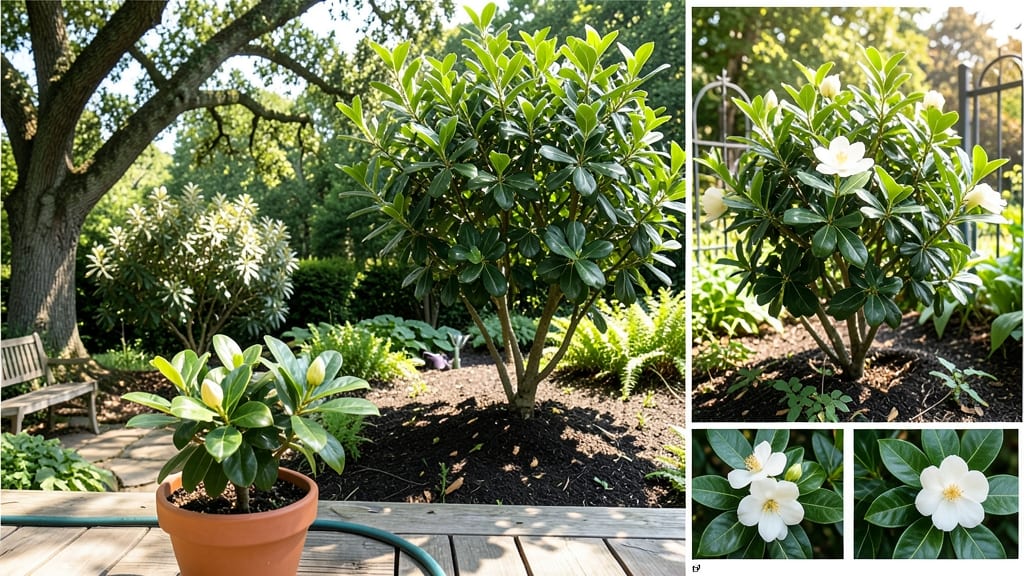
A gardenia plant thrives in partial shade with morning sun and afternoon shade — the key to those iconic blooms and glossy leaves.
Struggling to keep your gardenia blooming year-round? The battle between sun and shade might be the secret weapon you’ve overlooked — getting it wrong can mean the difference between fragrant white flowers and bare branches.
Too much sun? You’ll see yellowing leaves or crispy edges. Too little light, and your plant might stop flowering entirely. Balancing the two is easier than you think, and I’ll walk you through the exact light conditions your gardenia craves.
From adjusting indoor placement to tweaking outdoor exposure, you’ll learn how to give your gardenia the perfect light mix for lush growth and stunning blooms, no matter where you live.
 Best Window Placement
Optimal sunlight requirements for gardenia plants to maximize blooms
Gardenia plants thrive on a delicate balance of sunlight, and understanding their preferences is key to unlocking those fragrant white blooms you love. These tropical beauties prefer partial shade, but the exact light conditions depend on your climate and growing location.
Too much sun can scorch their leaves, while too little shade may stunt their growth and reduce flowering.
In my experience, gardenias perform best with 4-6 hours of morning sunlight followed by afternoon shade. This mimics their natural habitat in tropical forests, where dappled light filters through the canopy.
The morning sun provides the energy they need for photosynthesis, while the afternoon shade protects them from the intense midday rays that can cause leaf burn.
Here’s how I’ve adapted their light requirements for different climates to keep my gardenias blooming year-round:
| Climate Type | Ideal Sunlight | Adjustments Needed | Bloom Impact |
|---|---|---|---|
| Tropical | 5-6 hours filtered light | Use sheer curtains or lattice screens | Abundant blooms year-round |
| Temperate | 4 hours morning sun | Plant near north-facing walls | Seasonal blooms with care |
| Mediterranean | 3-4 hours indirect light | Use shade cloth (30-50%) | Moderate blooms, lush foliage |
The science behind gardenia blooming is fascinating. These plants rely on photosynthesis to produce energy, but their flowering is triggered by a combination of light intensity and duration.
Too much direct sunlight can cause oxidative stress in their leaves, leading to brown patches and reduced blooming. Meanwhile, insufficient light results in weak stems and sparse flowers.
For container gardenias, I’ve found that placing them 2-3 feet from an east-facing window provides the perfect balance. If you’re growing them outdoors, position them where they receive gentle morning rays but are shaded by trees or structures in the afternoon.
In hot climates, even 30% shade cloth can make a significant difference during peak sun hours.
One common mistake I see is placing gardenias in full sun, especially in southern exposures. The intense afternoon sun can cause leaf scorch within weeks, turning the edges of leaves crispy and brown.
To prevent this, I always recommend using light-colored shade cloths or planting them under deciduous trees that provide natural shade during summer months.
In cooler climates, gardenias may need supplemental grow lights during winter to maintain their blooming cycle. I use full-spectrum LED grow lights for 12-14 hours a day to simulate longer daylight hours.
This helps my gardenias stay productive even when natural light is limited. The key is to mimic their natural tropical light conditions as closely as possible.
When adjusting light conditions, always make changes gradually. Moving a gardenia from low light to full sun too quickly can cause sunburn. I recommend acclimating them over 7-10 days by gradually increasing their exposure to direct sunlight.
This gives their leaves time to adjust and develop the necessary protective pigments.
Remember that gardenias are light-sensitive during their blooming season, which typically runs from spring to early fall. During this time, they need consistent light to produce those iconic white flowers.
If you notice your gardenia producing fewer blooms, it might be time to reassess its light conditions and make adjustments accordingly.
By understanding and meeting your gardenia’s sunlight needs, you’ll be rewarded with healthier plants and more abundant blooms that fill your garden with their intoxicating fragrance. It’s all about finding that perfect balance between sun and shade—just like their natural tropical habitat.
Signs your gardenia isn’t getting the right light (and how to fix it)
If your gardenia plant is struggling to bloom or its leaves are turning yellow, light exposure is likely the culprit. Gardenias thrive in partial shade with just 4-6 hours of morning sun, but too much direct sun or too little light can both cause problems.
I’ve seen gardeners accidentally over-expose their plants to harsh afternoon sun, leading to crispy leaves, while others keep them in deep shade, resulting in sparse blooms and leggy growth.
Start by observing your gardenia’s leaf color and growth pattern. Healthy gardenia leaves are deep green and glossy, while yellowing leaves often signal either overwatering or light stress. If the yellowing appears on leaves exposed to direct sun, your plant is getting too much sunlight.
Conversely, if the entire plant looks pale and stretched, it’s craving more light. Pay attention to where the new growth is happening—if it’s only on one side, your plant might be leaning toward the light source.
🌿
🌸 Gardenia Light Warning Signs
Too Much Sun: Brown, crispy leaf edges (leaf scorch), yellowing between veins, and premature leaf drop. Move your gardenia to a spot with morning sun only or use a sheer curtain to filter light.
Too Little Sun: Pale, yellow-green leaves, leggy growth, and fewer blooms. Gradually increase light exposure by moving the plant closer to a window or outdoors in a dappled shade area.
To diagnose your gardenia’s light needs, create a simple light audit. Place your plant in a location with east-facing morning sun and afternoon shade—this mimics its natural tropical habitat. If you’re growing gardenias indoors, position them 2-3 feet from an east-facing window where they’ll receive gentle, indirect light.
Avoid placing them near south-facing windows, as the intense afternoon sun can cause leaf burn.
If your gardenia is already showing signs of light stress, act quickly. For over-exposed plants, prune the damaged leaves and move the plant to a shadier spot immediately. For under-exposed plants, gradually introduce more light over 1-2 weeks to avoid shocking the plant.
You can also use a grow light for 4-6 hours a day if natural light is insufficient, especially during winter months when daylight is shorter.
Pro tip: Use a light meter or phone app to measure light levels in your gardenia’s current location. Aim for 1,000-2,000 foot-candles of light—this range is ideal for gardenias and mimics their natural partial shade environment. If your measurements are outside this range, adjust the plant’s position accordingly.
🌳