
How To
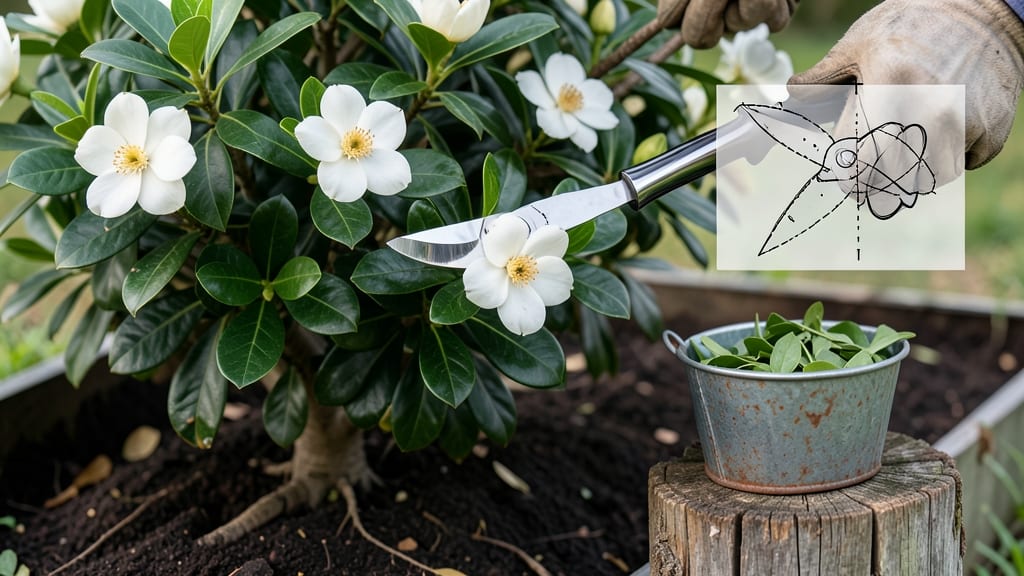
You can cut back gardenias by up to one-third of their height without harming them, but timing and technique make all the difference.
Struggling to keep your gardenias blooming beautifully? Over-pruning can shock these delicate shrubs, while under-pruning leaves them leggy and sparse. The secret to lush, vibrant gardenias lies in knowing exactly how far you can trim without causing damage—here’s the science-backed guide.
Most gardeners wait until spring, right after the last frost, to prune—this gives the plant time to recover before summer’s heat. But if you miss that window, don’t panic: summer pruning is still possible, though it requires extra care to avoid stressing the plant.
In this guide, I’ll walk you through the one-third rule, how to spot dead vs. healthy growth, and the best tools to use—so you can revive your gardenias without risking shock or stunted blooms.
Safe pruning limits for gardenias: how far you can trim without killing the plant
Gardenias are prized for their fragrant white blooms, but their delicate growth habit makes pruning tricky. The golden rule? Never remove more than one-third of the plant's foliage in a single session.
This 1/3 rule ensures your gardenia retains enough leaves to photosynthesize and support new growth. Over-pruning stresses the shrub, leading to leaf drop or even death in extreme cases.
Think of your gardenia's branches like a tree's canopy. Each cut removes the plant's ability to produce food, so precision matters. Healthy gardenias have green stems with buds along the branches.
These buds are your growth zones—where new leaves and flowers will emerge. Always prune just above a leaf node or bud to encourage regrowth.
Visual reference point: Imagine dividing your gardenia's branches into three equal sections. The outer third (newest growth) is safe to trim for shaping, while the inner third (oldest wood) should only be pruned if dead or diseased. The middle third is your sweet spot for balanced pruning.
| Pruning Zone | Max Safe Cut | Purpose | Visual Cue |
|---|---|---|---|
| New Growth (Outer Third) | Up to 50% of current season's growth | Shape, encourage bushiness | Soft green stems, leafy branches |
| Middle Growth (Middle Third) | Up to 30% of branch length | Remove crossing branches, thin interior | Medium-thick stems, some buds visible |
| Old Wood (Inner Third) | Only dead/diseased wood (never healthy) | Revitalize woody stems, prevent disease | Brown/dry stems, no leaves |
| Total Plant (All Zones) | No more than 1/3 of total foliage | Maintain photosynthesis balance | Healthy green leaves remaining |
Dead growth is easy to spot: it's brown and brittle, with no leaves or buds. Use sterilized pruners to make a clean cut about 1/4 inch above a healthy bud or branch junction.
This prevents disease from spreading. For healthy but overgrown branches, aim to cut back to a leaf node where you see a small bump or bud.
Season matters too. Spring pruning (after last frost) is ideal for shaping, while summer pruning should focus only on dead wood to avoid disrupting blooming cycles. Gardenias bloom on new wood, so aggressive cuts in summer can reduce next year's flowers.
Always step back and visualize the plant's shape—your goal is to open up the center for airflow while maintaining a natural, balanced silhouette.
Pro tip: Prune in stages if your gardenia is severely overgrown. Remove one-third of the worst branches one season, another third the next, and the final third the following year.
This gradual approach gives the plant time to recover without shock. Monitor for new leaf growth within 4-6 weeks—a sure sign your pruning was successful.
Watch for these red flags after pruning: sudden yellowing leaves, wilting, or no new buds. These could mean you pruned too aggressively. In contrast, vigorous new growth and bright green leaves indicate your cuts were in the right zones.
Adjust future pruning based on your gardenia's recovery response.
Remember, gardenias are slow growers compared to other shrubs. Patience is key—light pruning annually keeps them healthy without stress. With the right cuts, your gardenia will reward you with more blooms and denser foliage next season. Happy pruning! ✂️🌸
Step-by-Step guide to pruning gardenias without shocking the shrub
Pruning your gardenias correctly can transform a lanky, sparse shrub into a bushy, blooming beauty. The key is precision—cutting too much or in the wrong spots can shock the plant and stunt its growth.
I’ve pruned gardenias for years, and I’ve learned that clean cuts and proper timing make all the difference. Let’s break it down so you can prune with confidence and see those fragrant white blooms return in full force.
Before you grab your shears, sterilize them with rubbing alcohol or a 10% bleach solution to prevent spreading disease. Gardenias are sensitive, and dirty tools can introduce fungal or bacterial infections. Next, focus on removing dead, diseased, or crossing branches first—these are your priority cuts.
Only then should you address shaping or rejuvenation pruning. Remember, never cut into old wood (wood without leaves or buds), as it won’t regrow.
- 🌿 Step 1: Identify Safe Cuts – Look for leaf buds or green growth along branches. These indicate live wood where new shoots can form. Avoid cutting beyond these points.
- ✂️ Step 2: Make Clean Cuts at 45° – Use sharp shears to cut just above a bud or leaf node. This angle helps water runoff away from the cut, reducing rot risk.
- 📏 Step 3: Follow the 1/3 Rule – Never remove more than one-third of the plant’s foliage in a single pruning session. For example, if your gardenia is 6 feet tall, trim back no more than 2 feet of growth.
- 🌱 Step 4: Prioritize Airflow – Thin out dense inner branches to improve circulation and reduce humidity-related diseases like powdery mildew.
- 💧 Step 5: Post-Pruning Care – Water deeply after pruning to help the plant recover. Apply a balanced fertilizer (like 10-10-10) to support new growth.
One of the biggest mistakes I see is cutting into old wood, which won’t sprout new leaves. Always check for green growth or buds—if you don’t see them, stop cutting. Another common error is pruning after blooms appear.
Gardenias bloom on new wood, so timing matters. Wait until late winter or early spring (just before new growth starts) to prune for the best results.
After pruning, monitor your gardenia closely for signs of stress, like yellowing leaves or dropped buds. These could indicate over-pruning shock. If you see this, reduce watering slightly and avoid fertilizing until new growth appears.
Most gardenias bounce back within 4-6 weeks with proper care. For extra support, mulch around the base to retain moisture and regulate soil temperature.
Pro tip: Use a hand lens to inspect branches if you’re unsure whether they’re dead or alive. Healthy wood will have a greenish tint under the bark, while dead wood will be brown and dry.
This simple trick saves you from making costly mistakes. With these steps, your gardenia will thank you with fuller foliage and more blooms next season.
Finally, keep your tools sharp and clean for future pruning sessions. Store them in a dry place and oil the blades occasionally to prevent rust. Happy pruning—your gardenia’s fragrant reward is worth the effort! 🌸