
Blooming
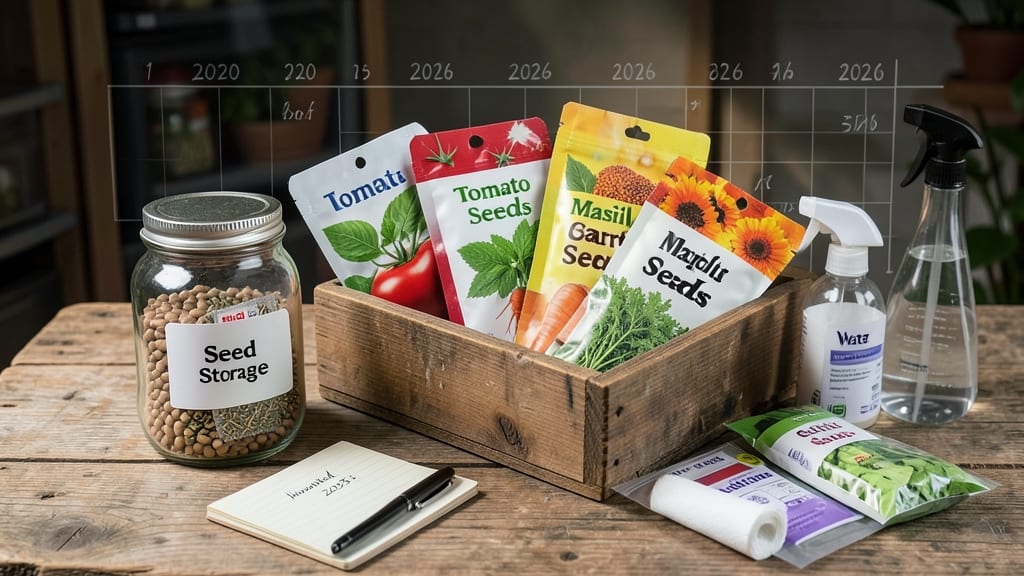
Garden seeds typically remain viable for 1 to 5 years, depending on seed type—vegetable seeds like tomatoes and peppers last 1–3 years, while hardy varieties such as beans and peas can stay good for 3–5 years. Proper storage (cool, dry, dark) extends shelf life significantly.
Understanding seed viability helps you avoid wasted efforts and poor germination rates. 🌱 The lifespan of seeds varies dramatically—herbs like parsley may only last 1 year, while some flower seeds (like poppies) can remain viable for up to 5 years under perfect conditions.
What truly makes the difference is how you store them: exposure to light, humidity, and temperature fluctuations can accelerate deterioration by up to 50%.
For example, storing seeds in a sealed container with silica gel packets at 32-41°F can double their usable lifespan compared to leaving them in a warm, damp basement.
Even with ideal storage, seeds eventually lose vigor. You'll notice this when germination rates drop below 50%—a clear sign it's time to replenish your seed supply.
Testing old seeds by placing a few in damp paper towels for 5-7 days can reveal their true viability before committing to a full planting. This simple method saves money and ensures your garden starts with the best possible foundation.
💡 In This Article
- Seed Viability Factors: What Determines Longevity
- Best Storage Practices to Maximize Seed Freshness
Seed viability factors: what determines longevity
The lifespan of seeds is governed by their biological makeup and environmental exposure. Orthodox seeds (like most vegetables and flowers) contain low moisture levels—typically 5-15%—which triggers a natural dormancy state that slows metabolic activity.
This is why lettuce seeds last only 1-2 years while bean seeds can endure 3-5 years: the latter have thicker seed coats that better protect their delicate embryos from moisture loss and oxidation.
Temperature fluctuations are the silent enemy of seed viability. Seeds stored above 77°F degrade 2-3 times faster than those kept at 32-41°F due to accelerated enzyme activity that breaks down cellular structures. Oxygen exposure further accelerates deterioration—seeds left in open containers lose viability 50% faster than those in airtight containers.
Even light exposure matters: UV rays can trigger premature germination or damage seed proteins, which is why dark storage is critical.
Genetic traits play a surprising role too. Recalcitrant seeds (like avocado or mango) contain high moisture and cannot dry out—they must be planted immediately or they die within weeks.
In contrast, orthodox seeds like tomatoes have evolved to survive harsh conditions, their embryos entering a suspended animation state that preserves viability for years. This biological diversity explains why heirloom tomato seeds might last 2-3 years while hybrid varieties often degrade faster due to less robust genetic programming.
Humidity is another critical factor—seeds stored at 40% relative humidity maintain viability far longer than those exposed to 60%+ humidity, where mold growth and internal cell damage occur.
The classic example is how chia seeds, with their 40% oil content, require special storage to prevent rancidity, while hardy peas with 20% oil content tolerate broader storage conditions. These biological differences mean your storage approach must match the seed type.
What most gardeners don't realize is that even "dormant" seeds continue slow metabolic processes. The enzyme lipase, for instance, breaks down seed oils over time, while proteases degrade proteins. This biochemical aging explains why older seeds—even when stored perfectly—will eventually show reduced germination rates.
Testing a small sample before full planting is always wise, as visual appearance can be deceiving about true viability.
Consider these key biological factors when evaluating your seed collection:
- Moisture content: 5-15% ideal for orthodox seeds (most garden varieties)
- Temperature sensitivity: 32-41°F optimal; above 77°F accelerates degradation
- Oxygen exposure: Airtight containers extend life by 50% compared to open storage
- Light exposure: UV rays trigger premature germination or protein damage
- Genetic type: Orthodox seeds last years; recalcitrant seeds die within weeks
Understanding these factors transforms seed storage from guesswork into a precise science—one that can save you money and ensure your garden starts with the best possible foundation. 🌱