
Tools
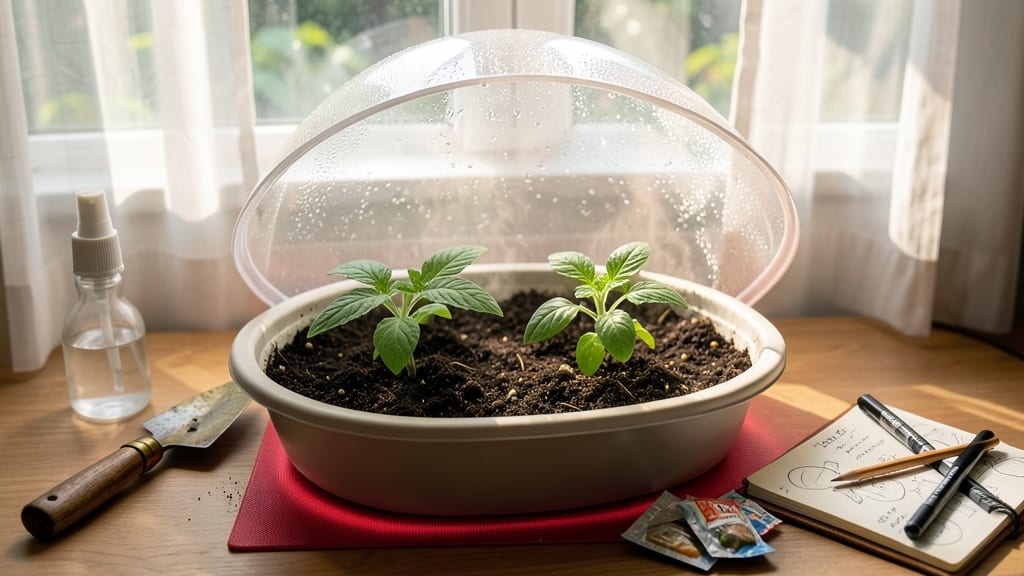
Starting garden seeds indoors at the right time ensures your 🌱 seedlings are ready to transplant just as the soil warms up—miss the window, and you risk leggy, overcrowded trays or plants that bolt before harvest.
Timing your indoor seed starts can mean the difference between a thriving garden and a wasted season—get it wrong, and your seedlings arrive too early or too late for optimal transplanting. Whether you’re growing tomatoes, peppers, or herbs, knowing when to begin is just as critical as how.
In Zone 6a, where last frost typically hits around April 15, most seeds need 4–8 weeks indoors before transplanting. But not all plants follow the same schedule—tomatoes and peppers demand early starts, while fast growers like lettuce can wait until closer to frost.
Below, I break down the frost-free countdown by plant type, share how to adjust for your local climate, and reveal the 3 biggest mistakes that ruin seed starts—so you can skip the guesswork and grow with confidence.
Indoor seed starting timeline by frost-free days before transplant
Mastering the indoor seed starting timeline ensures your seedlings are ready to transplant when soil temperatures and frost risks align perfectly. The key? Counting backward from your last frost date using each plant’s days-to-maturity and adjusting for your hardiness zone.
For example, in Zone 5, where last frost typically hits around May 15, tomatoes need a head start of 8 weeks indoors—meaning you’d begin sowing in early March. Get this wrong, and you’ll either have overgrown seedlings or plants struggling to catch up.
Every plant has its own rhythm. Tomatoes and peppers are classic slowpokes, while lettuce and radishes bolt if you delay. Even herbs like basil demand precision—start them too early, and they’ll stretch toward the light like teenagers reaching for a snack.
The solution? A zone-specific countdown tailored to your garden’s unique conditions. Below, we’ll break down the ideal start times for your favorite plants, plus pro tips to avoid common pitfalls.
For Zone 6 gardeners, where last frost arrives around April 15, this table translates to starting tomatoes in early March and peppers by late February. But what if you’re in Zone 9 with a January 15 last frost?
You’ve got more flexibility—peppers can wait until mid-December, while lettuce might not need indoor starts at all. The rule of thumb? Adjust your timeline by 1–2 weeks per zone, moving earlier for cooler zones and later for warmer ones.
Don’t overlook herbs like cilantro or flowers like zinnias, which thrive with shorter indoor windows. Cilantro, for instance, bolts if it feels the heat, so starting it 4–5 weeks before last frost and transplanting early is ideal.
Meanwhile, zinnias can handle a 6-week indoor head start but prefer direct sowing in warmer zones. Pro tip: Check seed packets for “days to maturity”—this is your golden number for calculating backward from your frost date.
Microclimates throw another wrench into the timeline. Urban areas with heat islands may warm faster than rural zones, letting you push starts 1–2 weeks earlier. Conversely, high-altitude gardens or coastal regions with delayed soil warming might need to start seeds 2 weeks ahead.
Always err on the side of caution with slow growers—peppers and onions, for example, often need extra time in cooler climates. Use a grow light timer to simulate
How to adjust seed starting dates for your hardiness Zone
Your hardiness zone determines when to start seeds indoors, but local microclimates can shift those dates by weeks. For example, coastal areas often have milder winters than inland zones just 20 miles away.
Meanwhile, high-altitude gardens may need earlier starts because cooler temperatures slow germination. The key is balancing USDA zone guidelines with your specific frost patterns and plant requirements.
Begin by identifying your last average frost date—this is your anchor point. Check resources like the USDA Plant Hardiness Zone Map or your local agricultural extension office for precise data. For instance, Zone 5 typically sees frost until May 15, while Zone 9 may only experience frost in January.
Once you have this date, you can work backward to determine your seed-starting window.
-
Step 1: Locate your last frost date
Use the USDA zone map or local records (e.g., Zone 5: ~May 15; Zone 9: ~Feb 1). Coastal areas often have 2-4 weeks earlier last frosts than inland zones. -
Step 2: Subtract days-to-maturity
Example: Tomatoes need 6-8 weeks indoors + 2 weeks hardening off. Start them 8 weeks before frost for Zone 5 (mid-March). -
Step 3: Adjust for slow growers
Peppers and onions require extra weeks in cooler zones. Add 1-2 weeks buffer if your zone is 4 or colder. -
Step 4: Account for microclimates
Urban heat islands can push last frost dates 1-2 weeks earlier. Observe local trends by tracking neighborhood gardens. -
Step 5: Use seed packet guidelines
Most packets list ‘start indoors X weeks before last frost’. Cross-reference with your calculated dates for accuracy.
High-altitude gardens present unique challenges because cooler temperatures delay germination and growth. If you live above 5,000 feet, consider starting seeds 2-3 weeks earlier than your zone’s standard recommendation.
For example, a gardener in Denver (Zone 5) might start tomatoes in early March instead of mid-March to compensate for slower growth rates.
Coastal gardens, on the other hand, often benefit from later starts due to milder winters. In San Francisco (Zone 9), you might delay starting cool-season crops like broccoli until late February instead of January, as the risk of frost is minimal.
Always monitor local weather patterns—some coastal areas still experience late-season frosts that can damage young seedlings.
Pro tip: Keep a seed-starting journal for 2-3 years to track what works in your specific microclimate. Note adjustments like earlier starts for slow growers or later starts for heat-sensitive plants. Over time, you’ll refine your schedule to match your garden’s unique conditions perfectly.
Remember, the goal is to have healthy, robust seedlings ready to transplant when soil temperatures reach 50°F or warmer. With these adjustments, you’ll avoid the pitfalls of overcrowded trays or underdeveloped plants that struggle to thrive after moving outdoors. 🌱