
Flowers
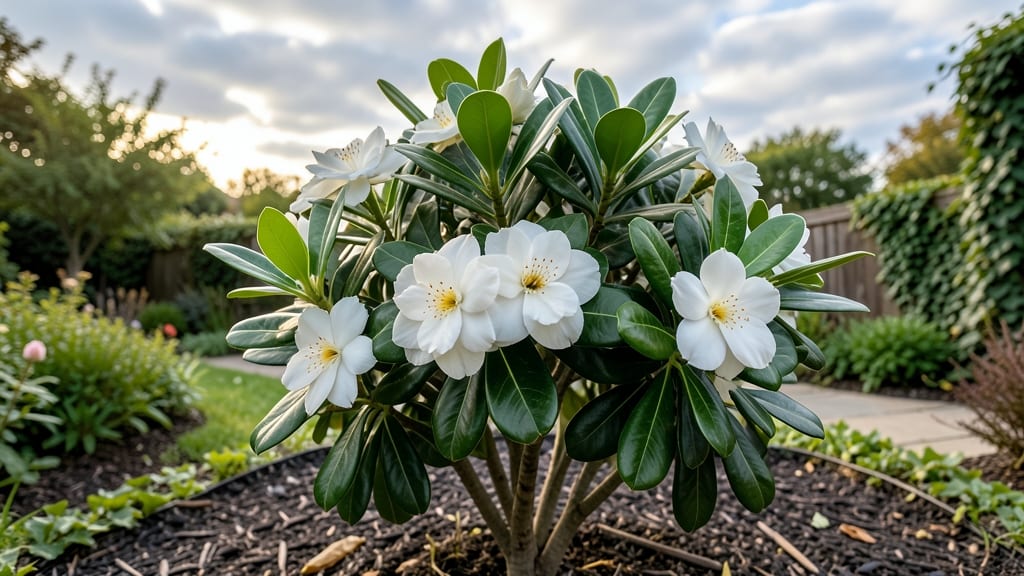
Gardenia flowers typically last 3 to 7 days on the plant, though their fragrance and beauty can linger longer with the right care 🌸 — and cut blooms can last 7 to 14 days in a vase.
If you’ve ever watched a gardenia bloom fade too soon, you know how frustrating it can be. These delicate flowers are prized for their intoxicating scent and glossy petals, but their short lifespan often leaves gardeners wondering how to extend their time in full glory.
The secret lies in understanding your gardenia’s needs — from the variety you grow to the care you provide. Factors like sunlight, watering, and even pruning play a huge role in how long those blooms stay vibrant.
For example, Gardenia jasminoides, the most common type, thrives with partial shade and consistent moisture, which can help prolong their bloom time.
In this guide, I’ll break down everything you need to know — from seasonal blooming patterns to vase-life hacks — so you can enjoy your gardenias for as long as possible.
How long gardenia flowers last on the plant: seasonal blooming patterns
If you've ever admired a gardenia's creamy white blooms and wondered why they don't last forever on the plant, you're not alone. On average, a single gardenia flower blooms for 3 to 7 days when left on the shrub.
This lifespan can vary based on factors like variety, care, and climate. Understanding these patterns helps you time your enjoyment and care routines for maximum impact.
The Gardenia jasminoides, the most common type, typically follows this 3-7 day bloom cycle. However, some dwarf varieties may have slightly shorter lifespans, while larger blooms can last up to a week.
The key to extending this time lies in creating ideal growing conditions that reduce stress on the plant.
Seasonal blooming patterns play a huge role in how long your gardenias will flower. Most gardenias bloom primarily in late spring to early summer, with some varieties offering sporadic blooms in fall. In warmer climates (USDA Zones 8-11), you might see year-round blooming with proper care, while cooler zones experience more concentrated spring blooms.
Here's a quick look at how different factors affect bloom duration on the plant:
| Factor | Impact on Bloom Duration | Optimal Condition |
|---|---|---|
| Variety | Standard blooms last 3-7 days; dwarf varieties may last 2-5 days | Choose Gardenia jasminoides for longest blooms |
| Pruning | Heavy pruning can reduce blooms by up to 30% | Light pruning after blooming season |
| Sunlight | Insufficient light shortens blooms by 2-3 days | 4-6 hours morning sun |
| Watering | Over/under-watering reduces bloom time by 50% | Deep watering every 3-5 days |
| Soil pH | pH above 6.5 cuts bloom time by 40% | Maintain pH 5.0-6.5 |
The pruning schedule you follow can dramatically affect how long your gardenias produce blooms. If you prune too aggressively after the blooming season, you might see a 30% reduction in next year's flowers.
Instead, I recommend a light pruning in late summer to shape the plant while preserving next season's buds. Always use clean, sharp pruners and make cuts just above a leaf node to encourage new growth.
One of the most critical factors for extending bloom time is proper sunlight exposure. Gardenias need 4-6 hours of morning sun daily but will scorch in harsh afternoon rays. I've found that placing them near an east-facing window or under dappled shade creates the perfect balance.
When gardenias don't get enough light, their blooms open more slowly and may last only 2-4 days instead of the full 7-day potential.
Your watering routine plays a surprising role in bloom longevity. Both overwatering and underwatering can shorten bloom time by up to 50%. The secret is deep, consistent watering—about 1 liter per plant every 3-5 days.
I water mine in the early morning to prevent fungal issues that can cause buds to drop prematurely. Always check the top inch of soil before watering; if it's dry, it's time to water.
Don't overlook the importance of acidic soil for gardenia blooms. These plants thrive in soil with a pH between 5.0 and 6.5. If your soil is too alkaline, the plant struggles to absorb nutrients, leading to shorter bloom times.
I test my soil annually and amend it with sulfur or peat moss if needed. You'll know your soil is right when your gardenias produce vibrant green leaves and abundant buds.
To maximize your gardenia's blooming season, I recommend a spring feeding schedule using an acid-loving plant fertilizer. Start fertilizing in early spring and continue every 4-6 weeks until mid-summer.
Avoid fertilizing in fall and winter when the plant is dormant. A 10-10-10 balanced fertilizer works well, but you can also use a citrus fertilizer for the acid boost gardenias need.
With these care practices, you can extend your gardenia's bloom time from the typical 3-7 days to nearly 10 days per flower in ideal conditions. The key is consistency—providing the right balance of light, water, soil pH, and nutrients throughout the growing season.
When you get it right, your gardenias will reward you with fragrant blooms that seem to last forever.
Cut gardenia flower longevity: how to make them last 7-14 days in arrangements
Cut gardenia flowers are a luxurious addition to any bouquet, but their delicate nature means they need special care to last beyond 3-5 days. With the right techniques, you can extend their vase life to 7-14 days, keeping their fragrance and glossy petals intact.
The secret lies in pre-harvest preparation, precise cutting methods, and ongoing care that mimics their natural growing conditions.
Gardenias thrive on moisture and hate stress, so every step—from the moment you cut the stem to how you store the arrangement—matters. Even a 1-inch difference in stem length or a slight variation in water pH can drastically shorten their lifespan.
Let’s break down the science-backed steps to maximize their beauty and fragrance in your arrangements.
Step-by-Step Guide to Extend Cut Gardenia Longevity
- 1 Harvest at peak bloom: Cut stems when buds are just opening (not fully open). Early morning harvests yield the freshest blooms.
- 2 Trim stems underwater: Use clean, sharp scissors to cut stems at a 45-degree angle while submerged in lukewarm water to prevent air bubbles from blocking water uptake.
- 3 Use distilled or rainwater: Chlorine and minerals in tap water can shorten vase life. Opt for pH-balanced water (5.0-6.5) to match gardenias’ natural soil conditions.
- 4 Add flower food: Mix 1 tsp sugar + 1 tsp bleach (or vinegar) per quart of water to feed blooms and prevent bacterial growth.
- 5 Store stems cool: Keep arrangements in a cool (60-65°F) dark place overnight to slow respiration and preserve freshness.
- 6 Change water daily: Replace vase water every 24 hours to prevent bacterial buildup, which causes premature wilting.
- 7 Avoid direct sunlight: Place arrangements in indirect light to prevent petals from scorching and fading faster.
One common mistake is assuming all gardenia varieties last the same length. Double blooming varieties, like 'Kleim’s Hardy,' often outlast single-blooming types by 2-3 days. If you’re arranging gardenias with other flowers, pair them with low-ethylene producers like snapdragons or roses to avoid premature wilting.
For an extra boost, add a drop of lemon juice to the vase water—its acidity helps preserve the petals’ vibrant color and fragrance. Avoid overcrowding stems in the vase, as this restricts water flow and accelerates wilting.
Aim for 1-2 stems per inch of vase diameter to ensure each bloom gets adequate hydration.
With these techniques, your cut gardenias will not only last 7-14 days but also retain their intoxicating scent and velvety texture. The key is consistency: daily water changes, proper storage, and gentle handling make all the difference.
Treat them like the delicate treasures they are, and they’ll reward you with weeks of elegance in your home.