
Light Requirements
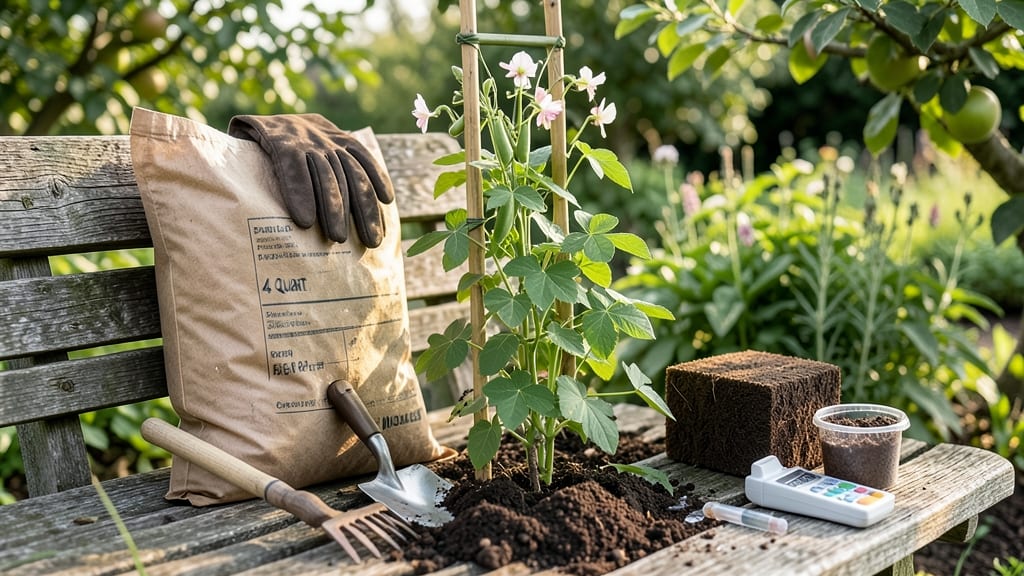
To determine how much peat moss to add to garden soil, start with a 1:2 to 1:3 ratio of peat moss to existing soil for most plants, but adjust to 25-30% peat for loamy soil or up to 50% for poor-quality soil. Gradual mixing prevents soil structure disruption.
Peat moss improves soil drainage and acidity, but the right amount depends on your soil's current condition. 🌱 For example, sandy soil benefits from a higher peat percentage (up to 50%) to retain moisture, while clay-heavy soil needs less (around 25%) to prevent compaction.
Always test your soil's pH first—acid-loving plants like blueberries thrive with more peat, while vegetables prefer a neutral mix. I recommend spreading a thin layer (about 1 inch) over the garden bed and tilling it in lightly for even distribution.
Timing matters too: spring is ideal for mixing peat moss into garden beds, as it gives plants time to establish roots before summer heat. If your soil feels dense or waterlogged, peat moss helps aerate it naturally.
Just remember—peat moss breaks down over time, so plan to reapply every 2-3 years for lasting benefits.
💡 In This Article
- Peat Moss Soil Amendment Ratios by Plant Type
- Step-by-Step Guide to Mixing Peat Moss into Garden Beds
Peat moss soil amendment ratios by plant type
Peat moss isn't a one-size-fits-all amendment—its effectiveness depends on your plants' pH preferences and your soil's existing composition. For acid-loving plants like blueberries, azaleas, and rhododendrons, aim for a 1:1 ratio of peat moss to soil, which lowers pH to 4.5-5.5—ideal for these species.
The organic matter in peat moss also improves moisture retention, crucial for plants that prefer consistently damp (but not soggy) conditions. 🌿 In contrast, vegetables and herbs thrive in neutral soil (pH 6.0-7.0), so use just 1 part peat moss to 3 parts soil to boost drainage without over-acidifying.
The science behind this lies in peat moss's unique structure: it's made of partially decomposed sphagnum moss with a pH of 3.0-4.5 and a spongy texture that holds up to 20 times its weight in water.
When mixed into alkaline soil (common in many regions), it gradually acidifies the environment through natural decomposition. For example, if your garden soil tests at pH 7.5, adding 30% peat moss can shift it to pH 6.5 within a season—perfect for tomatoes or peppers.
However, overdoing it risks creating a soil too acidic for most vegetables.
For sandy soils, which drain too quickly, peat moss acts like a moisture sponge, helping roots stay hydrated. Here, use up to 50% peat moss in the top 6 inches of soil to create a loamy texture.
In heavy clay soils, where water pools and roots suffocate, 25% peat moss suffices—it improves aeration without overwhelming the soil's natural structure. Always mix peat moss into the top 4-6 inches of soil, where most plant roots thrive. This layering prevents compaction while maximizing benefits.
One critical factor often overlooked is the organic matter balance. Peat moss breaks down slowly (over 2-3 years), so it shouldn't replace compost or aged manure. For example, a blueberry bed might need 50% peat moss but also 20% compost to provide essential nutrients.
Test your soil's organic matter content first—if it's below 3%, peat moss alone won't suffice. Use a simple soil test kit to check before amending, as this ensures you're addressing the right issues.
Seasonal timing also influences effectiveness. Spring is the best time to amend, as roots have 6-8 weeks to adjust before summer heat. In fall, peat moss can help insulate roots during winter, but it may break down too quickly in freezing temperatures.
For container plants, mix 20-30% peat moss into potting soil to maintain moisture without risking root rot. The key is gradual integration—never dump peat moss on top of soil and expect instant results. 🌱
For acid-loving plants, consider sphagnum peat moss specifically, as it has the highest acidity and moisture-retention properties. In contrast, peat humus (partially decomposed peat) is better for neutral-soil plants. Always source peat moss from sustainable providers, as over-harvesting harms ecosystems.
If sustainability is a concern, coconut coir is a viable alternative, though it has a slightly different pH and texture.