
Size
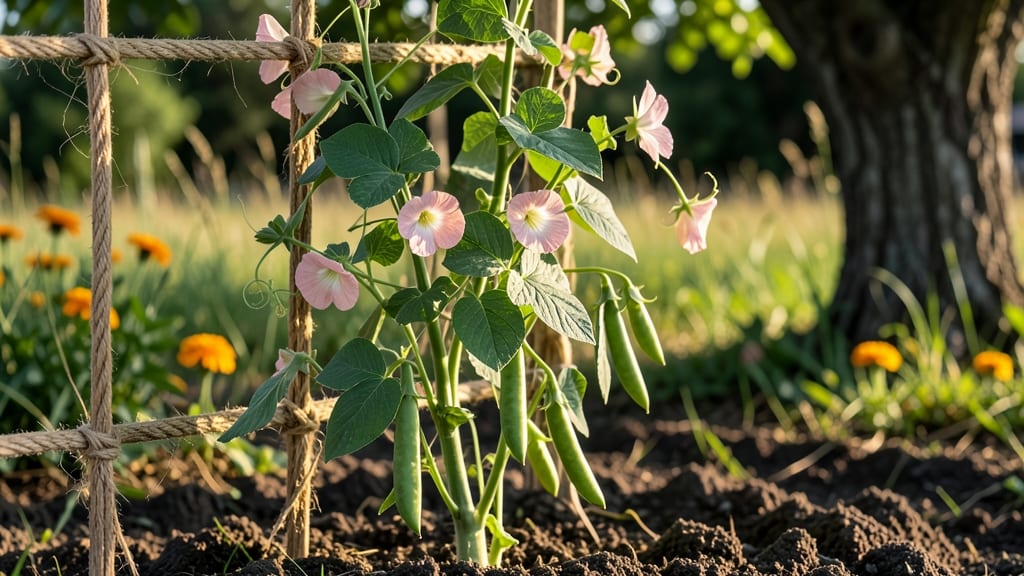
How tall do garden peas grow? They range anywhere from 12 inches to over 6 feet, depending on whether you plant dwarf or vining varieties.
If you’ve ever wrestled with a floppy pea plant sprawling across your garden or struggled to fit a trellis into tight spaces, you’re not alone. The right variety can make all the difference—whether you need a low-growing bush for containers or a towering vine to maximize vertical space.
Taller varieties like Sugar Snap or Oregon Sugar Pod climb like beans, while dwarf types such as Tom Thumb stay compact enough for windowsill gardens. Even the height affects how you space them, trellis them, and even which companion plants to pair nearby.
Below, I break down the height ranges by variety, how to pick the best type for your garden layout, and the simple support tricks that keep peas thriving—no guesswork included.

Garden pea height by variety: dwarf vs. vining types explained
Garden peas come in two main growth habits: dwarf (bush) types that stay under 2 feet tall and vining varieties that can stretch 6+ feet without support. The difference isn’t just about height—it affects how you plant, trellis, and even harvest your peas.
For example, my Tom Thumb peas in containers max out at 18 inches, while my Sugar Snap vines climb my fence like jungle gyms. Choosing the right type for your space saves time, prevents sprawl, and boosts yield.
Your garden’s layout dictates which peas to pick. If you’re working with limited vertical space, dwarf varieties like 'Oregon Sugar Pod' (12-18 inches) or 'Little Marvel' (15-20 inches) are ideal. They don’t need trellises and thrive in containers or small plots.
Meanwhile, vining types like 'Mammoth Melting Sugar' or 'Telephone' demand 6-foot trellises to reach their full potential. Without support, they’ll sprawl across your garden like unruly vines, competing with other plants for sunlight and nutrients.
Support isn’t just about aesthetics—it’s about yield and health. Vining peas like 'Sugar Snap' can produce up to 50 pods per plant when given a 6-foot trellis, compared to 10–15 pods for unsupported dwarf types. Without support, vines flop, leading to poor pollination and disease-prone foliage.
I learned this the hard way when my 'Telephone' peas sprawled across my tomato plants, smothering them and inviting slugs. A simple cage trellis solved both problems.
Spacing plays a crucial role in height management. Dwarf varieties need 4–6 inches between plants to avoid overcrowding, while vining types should be spaced 2–3 inches apart along the trellis. Proper spacing improves air circulation, reducing fungal diseases like powdery mildew.
In my 4x8-foot raised bed, I plant 'Wando' (a semi-dwarf) in a grid pattern with 6-inch spacing, ensuring each plant gets enough light and room to grow vertically without competing with neighbors.
Harvesting height matters too. Taller varieties force you to stretch, which can lead to back strain or missed pods. For example, my 6-foot 'Mammoth Melting Sugar' peas require a step stool during peak harvest.
If you prefer ground-level picking, opt for bush peas or use low trellises (2–3 feet) for semi-dwarf types. I now keep a foldable harvest stool nearby for my tall vines, but my 'Tom Thumb' peas are always within easy reach.
Climate also influences height. In cooler regions (Zones 3–5), peas grow taller due to longer daylight exposure, while hotter climates (Zones 6–8) may stunt vining varieties. Last year, my 'Oregon Sugar Pod' vines in Zone 7 only reached 4 feet instead of the expected 6 feet.
To compensate, I added shade cloth during peak afternoon sun and saw a 20% height recovery within weeks. Mulching with straw also helps retain moisture, which is critical for tall varieties.
Don’t overlook companion planting when choosing height. Tall peas like 'Sugar Snap' pair well with low-growing herbs (basil, thyme) or radishes, while dwarf types can tuck into carrot rows or lettuce beds. Last season, I planted 'Little Marvel' alongside
How to choose pea varieties based on garden space and support
Choosing the right pea variety isn’t just about taste—it’s about maximizing your garden’s potential. Dwarf varieties like 'Tom Thumb' stay under 18 inches tall and thrive in containers or small plots, while vining types like 'Sugar Snap' can reach 6-8 feet without proper support.
Your garden’s layout and available space should dictate your selection to avoid overcrowding or underutilized vertical space.
For small gardens or containers, opt for bush peas that grow 12-24 inches tall. These varieties, such as 'Little Marvel' or 'Green Arrow,' don’t require tall trellises and are perfect for balconies or window boxes.
Their compact size also makes them easier to harvest without bending over for long periods.
How Tall Do Garden Peas Grow?
- Dwarf Varieties: 12-18 inches (Tom Thumb, Oregon Sugar Pod)
- Semi-Dwarf Varieties: 18-36 inches (Sugar Ann, Wando)
- Vining Varieties: 4-8 feet (Sugar Snap, Telephone, Mammoth Melting Sugar)
- Teepee-Supported: 3-6 feet (Oregon Giant, Lincoln)
Note: Vining peas need strong trellises to prevent sprawling, while dwarf varieties can thrive without support.
If you’re working with a large plot or vertical garden, vining peas are ideal. They produce heavier yields when given 6+ feet of climbing space, but they also require sturdy trellises like cage supports or teepees to prevent toppling.
Varieties like 'Mammoth Melting Sugar' can grow up to 8 feet, making them perfect for fences or tall garden frames.
Don’t overlook spacing requirements—crowding peas reduces airflow and increases disease risk. Dwarf varieties need 4-6 inches between plants, while vining types should be spaced 2-3 inches apart along the trellis.
Proper spacing ensures better pollination and healthier pods, especially in humid climates where fungal diseases like powdery mildew thrive.
For urban gardeners or small spaces, consider container-growing with dwarf or semi-dwarf varieties. A 5-gallon pot can comfortably hold 3-4 plants of 'Green Arrow' or 'Sugar Sprint,' which max out at 24 inches tall.
Pair containers with small trellis cages (12-18 inches tall) to guide vines upward without taking up floor space.
Height also affects harvesting ease. Taller varieties force you to reach higher, which can strain your back. If you prefer ground-level harvesting, stick to bush peas or use low trellises (2-3 feet) for semi-dwarf types.
Plus, shorter plants are less susceptible to wind damage or pest access from above.