
How To
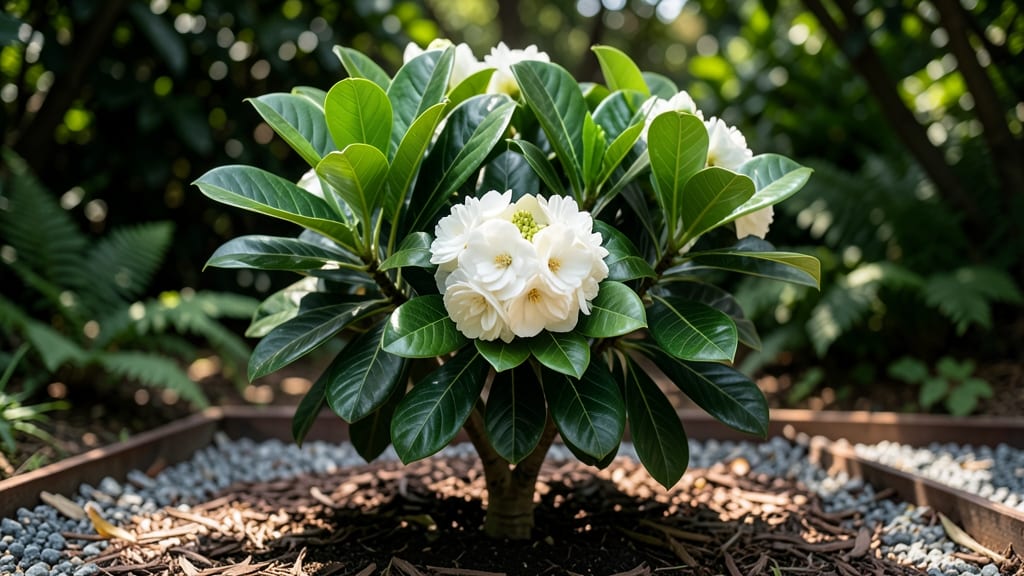
Wondering how tall do gardenias grow? These fragrant shrubs typically reach heights between 3 and 6 feet at maturity, though some varieties can stretch toward 15 feet if left unchecked—making them a fragrant but surprisingly adaptable shrub for any garden.
If you’ve ever dreamed of a fragrant garden filled with glossy, creamy-white blooms but worry about gardenias taking over your yard, understanding their growth habits is key—because with the right pruning, you can keep them lush yet compact.
Most gardenias thrive in USDA Zone 6a and beyond, where they bloom from June through September, but their size depends heavily on pruning, sunlight, and soil conditions.
Below, I’ll break down how to control their height through strategic trimming, the best varieties for small spaces, and the care secrets that keep them blooming year after year.

Gardenia growth height: natural size vs. pruned shrubs
If you're wondering how tall do gardenias grow, the answer depends on the variety and whether you prune them regularly. In nature, gardenias can reach an impressive 6 to 15 feet tall, but most common garden varieties stay between 3 to 6 feet when mature.
The key to controlling their size lies in understanding their natural growth patterns and strategic pruning techniques.
Gardenias grow as evergreen shrubs, not trees, which means they develop multiple stems from the base rather than a single trunk. This bushy growth habit makes them perfect for hedges or specimen plants, but it also means they can spread wider than their height.
Without pruning, a gardenia might grow 4 to 6 feet wide as well as tall, making them ideal for filling out garden beds or creating fragrant living walls.
Now, let's compare the natural growth heights of gardenias with their pruned counterparts to help you plan your garden layout or container setup. The table below breaks down the typical mature height of gardenias by variety and growth conditions.
As you can see, pruning dramatically reduces gardenia height while maintaining their lush, fragrant foliage. For example, a 'Veitchii' gardenia, which naturally grows 4 to 6 feet tall, can be pruned down to 3 to 4 feet with regular maintenance.
This makes them perfect for small gardens, patios, or even large containers. The key is to prune at the right time—typically in late winter or early spring—to encourage new growth without sacrificing blooms.
If you're growing gardenias in containers, their height will naturally stay shorter due to root restriction. A 5-gallon pot will limit growth to about 2 to 3 feet, while a 15-gallon container might allow a gardenia to reach 3 to 4 feet.
Regular pruning in containers is essential to prevent the plant from becoming root-bound, which can stunt growth and reduce flowering.
One common misconception is that pruning gardenias will reduce their fragrance or bloom production. However, strategic pruning actually encourages more blooms by promoting bushier growth.
When you prune back 1/3 of the plant's height in early spring, you're removing old, woody growth and stimulating new shoots that will produce more flowers. Just avoid heavy pruning in fall or winter, as this can stress the plant and delay spring blooming.
For those in warmer climates (USDA Zones 8–11), gardenias grow faster and reach maturity sooner due to longer growing seasons. In cooler zones (USDA Zones 6–7), growth slows in winter, and maturity may take an extra 1–2 years.
If you're in a cooler zone, consider growing dwarf varieties like 'Kleim's Hardy', which are bred to tolerate colder temperatures and still produce fragrant blooms.
To maximize height control, combine pruning with proper soil and sunlight conditions. Gardenias thrive in well-draining, acidic soil (pH 5.0–6.0) with partial shade (4–6 hours of morning sun).
Overcrowding or poor soil can slow growth and reduce bloom size, so always amend your soil with organic matter like peat moss or compost before planting.
If you're planning to use gardenias as hedges or privacy screens, aim for
Best pruning techniques to keep gardenias compact
Pruning gardenias isn’t just about keeping their height in check—it’s about encouraging more blooms while maintaining a neat, manageable shape.
Without proper pruning, these fragrant shrubs can grow 6–15 feet tall, but with the right techniques, you can easily keep them between 3–5 feet, perfect for small gardens or containers. The key is timing, tools, and knowing where to cut to avoid damaging the plant.
Most gardeners make the mistake of pruning at the wrong time, which can reduce flowering or even harm the plant. I’ve learned that spring is the best time to prune gardenias, just after the last frost but before new growth begins.
This gives your plant plenty of time to recover and produce abundant blooms by summer. Fall pruning is also an option, but it’s riskier—you might accidentally trim off next year’s buds.
Before you grab your shears, gather the right tools: sharp, clean pruning shears for small branches and loppers for thicker stems. Disinfect your tools with rubbing alcohol to prevent spreading disease.
I also recommend wearing gloves—gardenias have thorns! Start by removing any dead, diseased, or crossing branches first, as these can block airflow and invite pests.
Step-by-Step Pruning Guide for Compact Gardenias
-
Step 1: Identify the Pruning Zone
Look for last year’s growth—these are the branches that bloomed last season. Cut just above a leaf node or bud (about 1/4 inch above) to encourage new growth.
-
Step 2: Shape the Shrub
Use your shears to trim back overgrown branches by 1/3 of their length. Focus on the outer edges to create a rounded shape, which is natural for gardenias and promotes airflow.
-
Step 3: Thin Out Dense Areas
Remove 1–2 older branches from the center of the shrub to reduce crowding. This prevents disease and allows sunlight to reach all parts of the plant, which is crucial for healthy blooming.
-
Step 4: Prune for Height Control
To keep gardenias under 5 feet tall, trim the tallest branches back by 1/2 their length. Avoid cutting into old wood (brown, woody stems)—this won’t produce new growth.
-
Step 5: Clean Up and Fertilize
Remove all pruned branches from the area and disinfect your tools again. After pruning, apply a balanced fertilizer (like 10-10-10) to encourage new growth and blooms.
One common mistake I see is over-pruning, which can stress the plant and reduce flowering. Never remove more than 1/3 of the shrub’s foliage in a single session.
If you’re growing gardenias in containers, prune more aggressively in early spring to keep them compact—just be sure to repot every 2–3 years to refresh the soil.
After pruning, your gardenias will need extra care to bounce back. Water deeply the day after pruning to help the plant recover, and keep the soil consistently moist but not soggy. Mulch around the base with 2–3 inches of organic mulch (like pine bark) to retain moisture and protect roots.
With the right pruning and care, your gardenias will reward you with lush, fragrant blooms all season long.
Remember, the goal isn’t just to shrink the plant but to encourage healthy growth. Prune with purpose, and your gardenias will stay compact, vibrant, and full of blooms for years to come. 🌸✂️🌿