
Landscaping
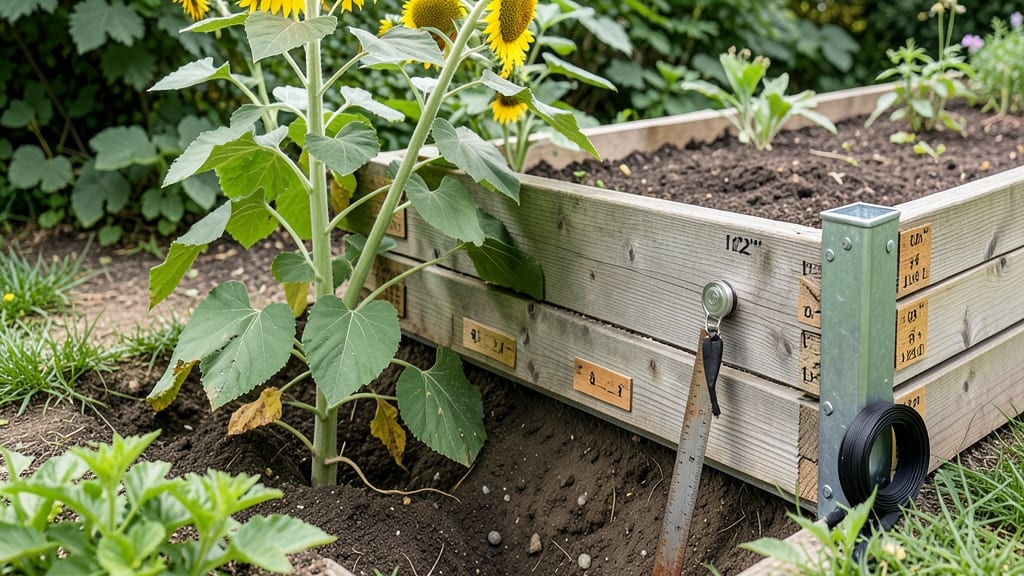
To determine how tall to make raised garden beds for your plants, aim for 6 to 12 inches deep—this gives roots room to spread while keeping maintenance simple.
Picture this: you’ve spent hours building the perfect garden structure, only to realize your tomatoes are crowding the edges or your herbs can’t get enough soil. The right height isn’t just about looks—it’s the foundation for healthy growth, better drainage, and easier access.
Most vegetables and herbs thrive in beds that are at least 6 inches deep, but deeper beds (up to 12-18 inches) work better for root crops like carrots or potatoes.
If you’re building for accessibility, taller beds (up to 2 feet) can make gardening easier for kids, seniors, or anyone with mobility challenges.
In this guide, I’ll break down the science behind bed height, how to adjust for your specific plants, and pro tips to avoid common mistakes—so your garden grows strong from day one.

Optimal raised garden bed height for root depth and plant types
Choosing the right raised garden bed height isn’t just about what looks good—it’s about giving your plants the perfect environment to thrive. Most gardeners assume a one-size-fits-all approach, but the truth is, root depth needs vary wildly between plant types.
Shallow-rooted herbs like basil need just 6-12 inches of soil, while deep-rooted crops like asparagus demand 18+ inches to spread their roots comfortably.
When I first built my raised beds, I made the mistake of going with a standard 12-inch height without considering my specific crops. The result? Stunted carrots and struggling tomatoes.
Now, I tailor each bed’s height to its residents, balancing soil volume, drainage efficiency, and accessibility for easy maintenance. Let’s break down the science so you can avoid my early mistakes.
The ideal raised bed height depends on three key factors: your plant types, your soil composition, and your personal gardening needs.
For example, a 4-foot-wide bed filled with 12 inches of soil works perfectly for most vegetables, but if you’re growing potatoes or sweet potatoes, you’ll need to go deeper—18-24 inches—to accommodate their sprawling roots. The good news?
You can always layer materials to adjust height without breaking the bank.
| Plant Category | Root Depth Needs | Recommended Bed Height | Example Plants |
|---|---|---|---|
| Shallow-Rooted Herbs | 6-12 inches | 10-12 inches | Basil, Parsley, Chives, Thyme |
| Leafy Greens | 6-12 inches | 10-12 inches | Lettuce, Spinach, Kale, Swiss Chard |
| Medium-Rooted Vegetables | 12-18 inches | 12-18 inches | Tomatoes, Peppers, Bush Beans, Carrots |
| Deep-Rooted Crops | 18-24+ inches | 18-24 inches | Asparagus, Potatoes, Sweet Potatoes, Corn |
| Flowers & Perennials | Varies (6-24 inches) | 12-18 inches (adjust for type) | Marigolds, Lavender, Daylilies, Coneflowers |
| Accessibility Needs | N/A | 24-36 inches (wheelchair/kids) | All plants (adjust soil depth) |
One of the biggest misconceptions about raised beds is that taller always means better. While deeper beds accommodate root growth, they also require more soil and better drainage planning.
If your bed is too tall—say, 24 inches or more—you risk creating a waterlogged mess unless you’ve added gravel or sand at the bottom for drainage. I learned this the hard way when my first 30-inch bed turned into a swamp after heavy rains.
Always leave 4-6 inches at the bottom for drainage materials if you’re exceeding 18 inches.
For most home gardeners, a 12-inch soil depth is the sweet spot. This height works for 80% of common vegetables, including tomatoes, peppers, and leafy greens, while keeping costs manageable. If you’re growing root crops like carrots or beets, opt for 14-16 inches to prevent root binding.
And if you’re planting asparagus or sweet potatoes, invest in a deeper bed—18-24 inches—or consider a two-tiered design to save space.
Don’t overlook the importance of bed width when planning height. A 4-foot-wide bed is ideal because it allows you to reach the center from both sides without stepping on the soil. If you’re building taller beds—especially for accessibility—keep the width under 3 feet to avoid soil compaction.
My 24-inch-tall beds are only 3 feet wide, making them perfect for my grandmother to tend without bending over.
Another
How to calculate raised bed height based on your plants and soil
Determining the perfect raised bed height starts with understanding your plants' root depth requirements and your soil's drainage capabilities. A bed that's too shallow will stunt root growth, while one that's too tall can create maintenance challenges.
Let's break down the key factors to consider before building or adjusting your beds.
Most vegetables and herbs thrive in beds that are 6 to 12 inches deep, but deeper-rooted crops like asparagus or artichokes need 18 to 24 inches of soil. The height also affects accessibility—adding 2 to 4 inches of rim height makes weeding and harvesting easier without straining your back.
For shallow-rooted plants like lettuce or radishes, a 6-inch-deep bed works perfectly. But if you're growing carrots or potatoes, aim for 12 inches or more to accommodate their taproots. Pro tip: Mix in compost to improve soil fertility—this reduces the need for extra depth while boosting plant health.
Accessibility matters too. If you have limited mobility, build beds no taller than 30 inches to avoid bending. For children or wheelchair users, keep heights between 12 and 18 inches so they can reach the center without assistance. A 4-foot-wide bed lets you work from both sides, reducing strain.
When adjusting existing beds, start by removing the top layer of soil and adding 2-4 inches of compost to refresh nutrients. For deeper beds, layer cardboard or landscape fabric between soil layers to prevent weeds while improving drainage.
Always leave 2-3 inches of space between the soil and bed rim to avoid spillage during watering.
Finally, test your bed's drainage by filling it with water and checking how quickly it drains. If water pools, add more perforated pipes or gravel at the base. The right height balances root space, accessibility, and drainage—so measure twice, build once, and watch your plants thrive! 🌱