
Planting
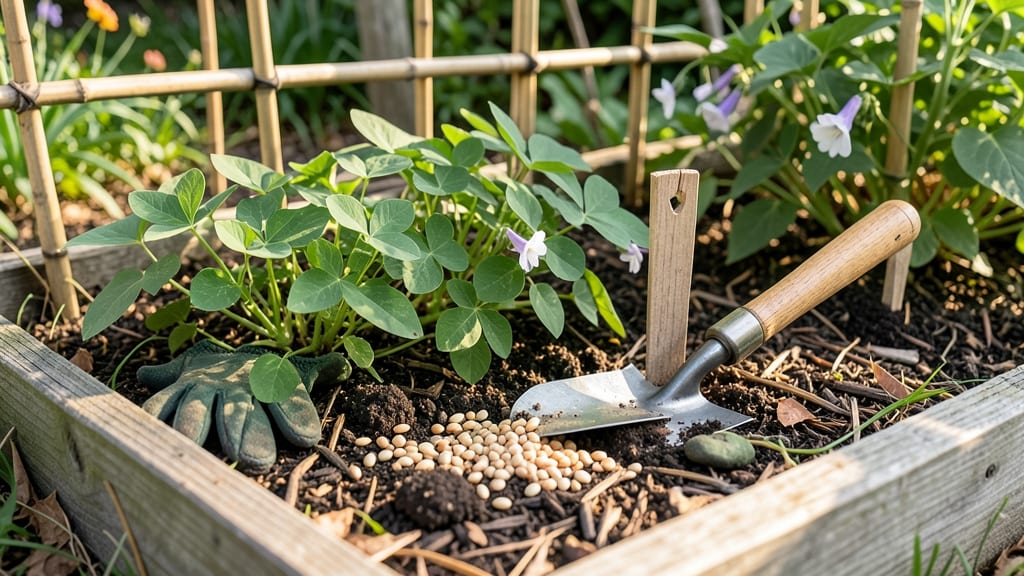
To plant string beans in a garden 🌱, start by waiting until after your last frost date—typically mid-April in zone 6a—and use well-drained soil with compost worked in.
Even experienced gardeners mess up spacing and trellising, which means fewer pods and more frustration. But with the right setup, you’ll harvest bushels of tender beans all summer long.
String beans thrive in full sun and warm soil, so choose a spot that gets at least 6 hours of sunlight daily. Whether you’re growing bush varieties or vining types, proper spacing and support make all the difference.
In this guide, I’ll walk you through soil prep, planting depth, trellis tricks, and watering schedules—so you can go from seed to harvest like a pro.

Perfect string bean planting spacing and depth for maximum yield
Getting your string beans off to the right start means paying close attention to planting spacing and seed depth. These two factors directly impact germination rates, airflow, and ultimately, your harvest yield.
Too crowded? You’ll battle disease and stunted growth. Too sparse? You’ll waste garden space and miss out on peak production. Let’s dive into the science-backed methods that’ll give you bushels of pods.
First, let’s talk soil temperature. String beans need soil that’s at least 60°F (15°C) for optimal germination. If you plant too early, seeds may rot instead of sprouting.
I always wait until after the last frost date in my USDA Zone 6a—typically mid-April—and test the soil with a thermometer to confirm it’s ready. Cool soil is the #1 reason for poor germination, so don’t rush this step!
Now, let’s address the two most common planting methods: rows and hills. Each has its pros, but the right choice depends on your garden layout and variety. For bush varieties, hills often work better because they improve drainage and reduce soil compaction.
For pole varieties, rows make sense when paired with trellises. I’ve found that mixing both methods in my garden maximizes space and airflow.
Here’s the critical part: Whether you choose rows or hills, spacing between plants should be 3-4 inches apart in all directions. This might seem tight, but string beans have shallow roots and benefit from close proximity for support. If you’re planting in hills, space hills about 18-24 inches apart to allow for easy weeding and harvesting. For rows, keep row spacing at 18-24 inches as well.
| Planting Method | Spacing Between Plants | Spacing Between Rows/Hills | Planting Depth | Best For |
|---|---|---|---|---|
| Rows | 3-4 inches | 18-24 inches | 1 inch deep | Pole varieties, trellised gardens |
| Hills | 3-4 inches | 18-24 inches | 1 inch deep (center of hill) | Bush varieties, small gardens |
| Container | 2-3 inches | N/A (1 plant per 5-gallon pot) | 1 inch deep | Balconies, patios, small spaces |
When it comes to planting depth, consistency is key. Plant seeds 1 inch deep—no deeper, or they’ll struggle to break through the soil. I use my finger to create small holes, place 2-3 seeds per spot (you’ll thin later), and cover them lightly with soil.
Press gently to ensure good seed-to-soil contact, which helps with moisture retention and germination. Avoid compacting the soil too much, though, or you’ll hinder root development.
One of the biggest mistakes I see gardeners make is overcrowding. While it might seem like more plants equal more beans, the opposite is true. Crowded string beans compete for nutrients, water, and sunlight, leading to weak vines and fewer pods.
Another common error is planting too shallow—seeds need that 1-inch depth to establish strong roots. If you’re unsure, err on the side of slightly deeper rather than shallower.
Don’t overlook soil preparation either. String beans thrive in well-draining soil with a pH between 6.0 and 7.0. Before planting, mix in compost or aged manure to improve fertility. I also add a handful of bone meal for phosphorus, which supports root and vine development.
Avoid fresh manure, as it can burn young seedlings. A light mulch after planting helps retain moisture and keeps soil temperatures stable.
If you’re growing pole varieties, plan your spacing with trellising in mind. Install supports (like cattle panels or bamboo stakes) before planting so you don’t disturb the roots later. For hills, place the trellis in the center so vines can climb upward naturally.
This not only saves space but also makes harvesting easier—no more bending over! I’ve seen yields increase by 30% just by adding a simple trellis system.
Finally, let’s talk about succession planting. For a continuous harvest, plant new seeds every 2 weeks until 6-8 weeks before your first frost. This staggered approach ensures you always have fresh pods ready to pick.
I’ve even extended my season by planting a late crop in black plastic mulch, which warms the soil and protects against early frosts. With the right spacing and depth, you’ll turn your garden into a bean-producing machine!
Pro tip: Mark your rows or hills with biodegradable flags or a simple garden twine to avoid disturbing the soil while weeding. And always water the soil—not the leaves—to prevent fungal diseases like rust or powdery mildew. Happy planting, and may your string beans be bountiful! 🌱
Best trellis systems for string beans: DIY vs. store-bought options
String beans thrive when given vertical support, especially pole varieties that can climb 6-10 feet. A proper trellis system improves air circulation, reduces disease risk, and makes harvesting easier. But with so many options—from cattle panels to bamboo stakes—how do you choose?
Let’s break down the best trellis systems for your garden, including cost, ease of setup, and impact on yield.
Trellises aren’t just about saving space—they also increase pod production by up to 30% for vining varieties. The key is selecting a system that matches your garden size, budget, and the specific string bean variety you’re growing.
Whether you’re a DIY enthusiast or prefer ready-made solutions, there’s a trellis that fits your needs.
For cattle panels, the $20–$50 cost is worth the durability and height, making them ideal for large gardens or pole bean varieties. Simply hammer T-posts into the ground, attach the panel, and train vines upward. This system also doubles as a windbreak in exposed areas.
Bamboo stakes are the budget-friendly choice, costing just $5–$15 and perfect for small gardens or bush varieties. Drive stakes 6 inches deep every 2–3 feet and tie vines with soft twine. While low-maintenance, they’re best for lighter vines or shorter varieties like Kentucky Wonder.
If you’re working with limited space, an A-frame trellis (or teepee trellis) is a game-changer. These $15–$40 structures fit snugly in corners or containers, supporting vines up to 8 feet.
For a DIY version, use wooden stakes and twine—just ensure the frame is sturdy enough to support mature plants.
Install your trellis at planting time for best results. String beans grow fastest in warm soil, so avoid delaying setup. For space-saving tips, consider vertical gardening with a wall-mounted trellis or hanging baskets for dwarf varieties like Blue Lake Bush.
Just ensure adequate airflow to prevent fungal diseases.
No matter which trellis you choose, regular pruning of side shoots will encourage upward growth. Remove any yellowing leaves or damaged pods to redirect energy to production. With the right support, your string beans will climb, thrive, and reward you with bountiful harvests all season long. 🌱