
Pests
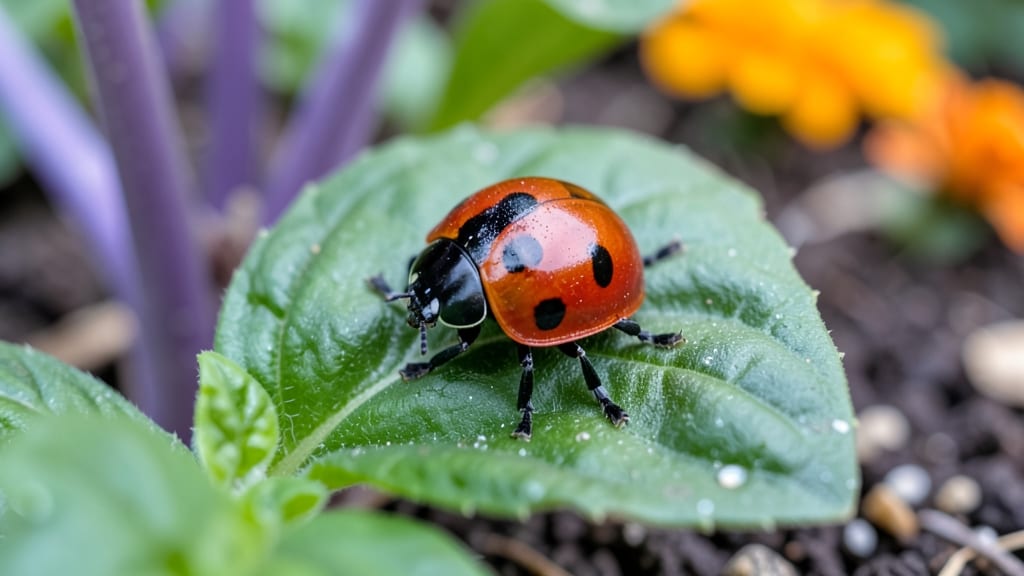
Identifying the insects in garden identification is the first step to protecting your plants before damage spreads — and the wrong move can turn a small issue into a full-blown crisis.
Struggling to tell whether those tiny holes in your leaves are from a harmless leafhopper or a ravenous beetle? Misidentifying pests can mean the difference between saving your plants or losing them entirely.
The good news? Most garden insects reveal themselves through their damage patterns and behaviors — if you know what to look for.
This quick guide breaks down the most common culprits by the type of damage they cause, from chewed stems to sticky sap trails.
You’ll learn how to spot the key traits of each insect — color, size, and even their favorite plants — so you can act fast when needed, or leave beneficial pollinators alone.
By the end, you’ll have a clear system for assessing whether an infestation is a minor annoyance or a full-blown emergency. No more guesswork — just practical tips to keep your garden thriving.
How to identify garden insects by damage type and physical traits
Identifying garden insects by their damage patterns saves time and prevents overreacting to harmless visitors. The first step is observing the type of damage—whether it's chewed leaves, skeletonized foliage, or sticky residue. Each pattern points to specific insect culprits with distinct physical traits, like size, color, or body shape.
For example, irregular holes in leaves often mean caterpillars or beetles are feeding, while fine webbing suggests spider mites. Sap-sucking insects like aphids leave behind a shiny, sticky honeydew residue. By matching damage to visual clues, you can quickly narrow down suspects and take targeted action.
Here's a quick reference to get you started:
Now that you’ve matched the damage to likely suspects, focus on physical traits to confirm your ID. For instance, Japanese beetles have metallic green heads and copper wings, while rose chafer beet
Top 5 most destructive garden insects and how to confirm their presence
Identifying destructive garden insects early can save your plants from irreversible damage. The Japanese beetle, aphid, tomato hornworm, cabbage worm, and spider mite are the top offenders, each leaving distinct clues about their presence.
I’ve seen firsthand how quickly these pests can defoliate entire plants if left unchecked.
Don’t wait until your roses look skeletal or your tomatoes are skeletonized to act. These insects leave behind frass (chewed plant debris), webbing, or sticky honeydew—each a dead giveaway. Let’s break down how to spot them before they cause real harm.
Insect Identification At-A-Glance
Japanese Beetles
- ✅ Green metallic body with copper wings
- ✅ Leaf skeletonizing (only veins remain)
- ✅ Active June-August
⚠️ Pros: Easy to spot on flowers
⚠️ Cons: Devastates roses and grapes
Aphids
- ✅ Tiny green/black clustered insects
- ✅ Sticky honeydew on leaves
- ✅ Year-round (worst in spring)
✅ Pros: Easy to squish by hand
⚠️ Cons: Spreads viruses like tobacco mosaic
Tomato Hornworms
- ✅ Green caterpillars with white stripes
- ✅ Defoliates tomatoes overnight
- ✅ June-September peak
✅ Pros: Hand-pickable
⚠️ Cons: Can strip plants bare in days
Cabbage Worms
- ✅ Green/white caterpillars on brassicas
- ✅ Ragged leaf holes
- ✅ Spring-fall activity
✅ Pros: Bt spray works well
⚠️ Cons: Attacks kale, broccoli, cabbage
Spider Mites
- ✅ Tiny red/yellow with webbing
- ✅ Yellow stippling on leaves
- ✅ Dry, hot weather triggers outbreaks
✅ Pros: Water spray can deter
⚠️ Cons: Spreads rapidly in drought
Look closely at the undersides of leaves for aphid colonies or spider mite webbing. A hand lens (10x magnification) helps spot tiny clues like eggs or frass that larger pests leave behind.
I keep one handy during my morning garden rounds—it’s saved my peppers from hornworm attacks more than once.
Check for honeydew trails on lower leaves, a classic sign of aphids or scale insects. Wipe leaves with a damp cloth to confirm sticky residue. If you see chewed stems or wilting in your tomatoes, inspect for hornworms hiding among the foliage. They’re masters of camouflage!
For