
Tools
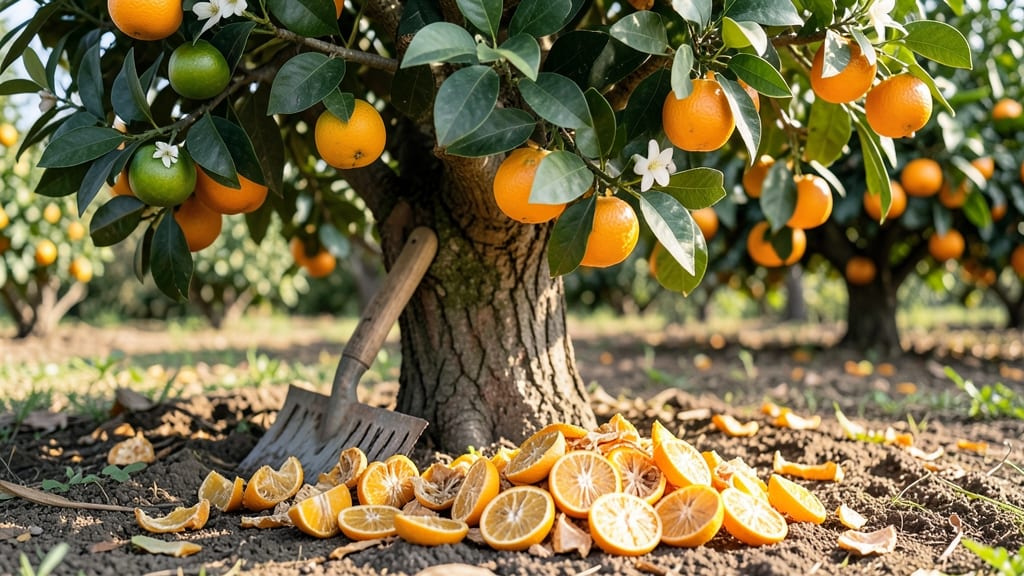
Using orange peels in your garden enhances soil health, keeps pests like ants and slugs at bay, and fills your yard with a fresh citrus scent. Simply chop them for compost or spread fresh peels to create a natural, chemical-free pest barrier.
Orange peels are a gardener's secret weapon because they're packed with nitrogen-rich compounds that break down quickly in compost, enriching soil with essential nutrients. 🌱 The citrus oils, particularly limonene, disrupt the scent trails of pests like ants and slugs, making your garden less appealing to them.
Plus, the natural fragrance lingers, creating a pleasant outdoor environment. I've found that combining chopped peels with coffee grounds in my compost pile speeds up decomposition while adding extra pest-deterrent benefits.
For best results, scatter fresh peels around plants susceptible to slugs or ants, or blend them into a spray with water for a DIY pest repellent. The peels' acidity also helps lower soil pH slightly, which benefits acid-loving plants like blueberries and azaleas.
Just avoid overdoing it—too many peels can make the soil too acidic for other plants.
💡 In This Article
- How Orange Peels Improve Soil and Repel Garden Pests
- Practical Ways to Use Orange Peels in Your Garden
How orange peels improve soil and repel garden pests
Orange peels are nature's multitasking powerhouse because they contain limonene, a natural oil that disrupts the scent trails of pests like ants and slugs. When you scatter fresh peels, the limonene evaporates into the air, creating an invisible barrier that confuses insects' navigation systems.
Studies show that limonene concentrations as low as 0.01% can deter slugs by masking the scent of their favorite plants like lettuce or hostas.
The peels also contribute to soil health through their high nitrogen content, which breaks down quickly in compost piles. A single medium orange peel contains about 0.5 grams of nitrogen—enough to give a small garden bed a nutrient boost when decomposed.
The acidity from citrus peels (pH around 3.5-4.5) can also help acid-loving plants like blueberries thrive, though too many peels may lower soil pH too much for other vegetables.
What makes this work so effectively is the dual-action mechanism: the limonene repels pests while the decomposing peel enriches the soil. I've noticed that peels placed near tomato plants not only keep aphids away but also improve soil structure over time.
The fibrous texture of dried peels also creates tiny air pockets in the soil, promoting better root growth for plants.
For maximum pest control, use fresh peels—the oils are most potent when the peel is still moist. Dried peels lose about 30-40% of their limonene content within a week, so they're better for long-term soil enrichment than immediate pest deterrence.
The bright citrus scent also lingers, making your garden smell fresh while keeping unwanted visitors away.
Here's what happens chemically: limonene interferes with insects' ability to follow pheromone trails by coating their antennae with a thin oil layer. This is why ants suddenly lose interest in a food source near scattered peels—it's like their GPS system gets scrambled.
The effect lasts about 3-5 days per application, making it a perfect maintenance task for gardeners.
Consider this comparison: while chemical repellents like diatomaceous earth work by physically damaging insects, citrus peels provide a non-toxic alternative that's just as effective. The peels' natural decomposition also means they won't harm beneficial insects like bees or ladybugs, unlike some synthetic pesticides.
For best results, combine peels with other citrus scraps like lemon or grapefruit rinds—their combined oils create a stronger repellent effect. I've found that mixing chopped peels with coffee grounds creates a particularly potent slug deterrent, as the caffeine in coffee acts as an additional repellent.