
Landscaping
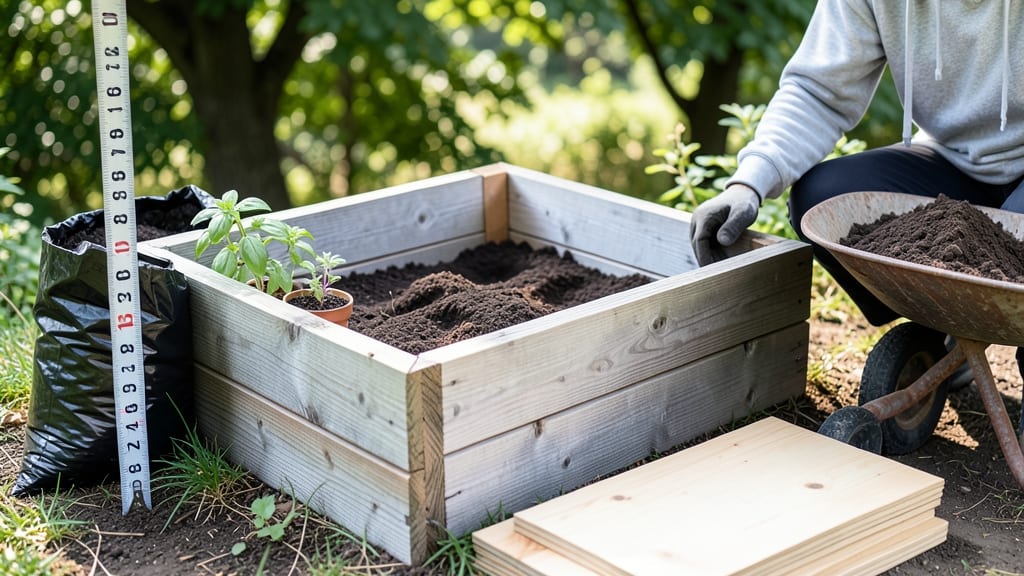
The right raised garden bed height turns a patch of soil into a thriving ecosystem—or a frustrating waste of space.
Picture this: you’ve spent hours building your dream bed, only to realize it’s too shallow for deep-rooted veggies like tomatoes or too tall for easy weeding.
The wrong height can also mean poor drainage, soil compaction, or even back strain when you’re kneeling for hours. Getting it right makes all the difference.
From 6-inch beds for delicate herbs to 24-inch towers for sprawling plants, the ideal height depends on your goals. Need better accessibility? A 12-inch bed keeps you standing while protecting your knees.
Want maximum root space? Deeper beds let perennials thrive for years. Let’s break down the best heights for drainage, plant needs, and ergonomics.
You’ll learn how to adjust for your soil, climate, and even your height—plus common mistakes that cost gardeners time and money. By the end, you’ll know exactly how tall (or short) your next bed should be.

Optimal raised garden bed height by plant type and soil needs
Choosing the right raised garden bed height isn’t just about aesthetics—it directly impacts drainage, root growth, and even your back health.
Most gardeners default to 6” or 12” beds, but deeper beds unlock bigger yields for root vegetables like carrots or potatoes, while shallower beds suit herbs and flowers perfectly. Let’s break down the science behind each height and how to match it to your plants.
The minimum height for a functional raised bed is 6 inches, but this only works for shallow-rooted plants like lettuce, radishes, or strawberries. For deeper roots, you’ll need 12” to 24” beds. The key variables? Soil volume, drainage efficiency, and plant maturity.
A 12” bed gives you 300% more soil volume than a 6” bed for the same footprint—critical for moisture retention and nutrient depth.
Here’s how to match bed height to your plant types and soil needs:
| Bed Height (inches) | Best For | Root Depth | Drainage | Soil Volume (per 4’x4’ bed) |
|---|---|---|---|---|
| 6" | Herbs, lettuce, flowers | Shallow (<12") | Fast (risk of drying) | ~1.5 cubic feet |
| 12" | Tomatoes, peppers, carrots | Medium (12"-18") | Good (ideal for most) | ~3 cubic feet |
| 18" | Potatoes, asparagus, deep roots | Deep (18"+) | Excellent (prevents compaction) | ~4.5 cubic feet |
| 24" | Trees/shrubs, perennial veggies | Very deep (24"+) | Superior (best for clay soil) | ~6 cubic feet |
A 6” bed is perfect for herbs like basil or thyme, which thrive in shallow soil with quick drainage. But if you’re growing carrots or parsnips, their roots need 12”+ depth to avoid bending or forking.
For potatoes or asparagus, 18” beds are ideal—they prevent soil compaction and let roots spread freely. And if you’re planting fruit trees or berry bushes, 24” beds mimic natural soil depth, reducing transplant shock.
Don’t forget soil composition! A 12” bed filled with equal parts topsoil, compost, and perlite will drain faster than a 6” bed packed with dense clay. For sandy soil, deeper beds help retain moisture longer.
Pro tip: Layer your soil—place gravel at the bottom for drainage, then compost-rich topsoil on top. This mimics nature’s A-horizon (topsoil) and B-horizon (subsoil) layers.
For vegetables like tomatoes or peppers, a 12” bed is the sweet spot—deep enough for roots but manageable for weeding. Flowers like zinnias or marigolds do well in 6” beds, while perennials like rhubarb benefit from 18”+ depth.
If you’re growing strawberries, consider elevated 8” beds with hanging pots for better air circulation and fewer pests. The key? Match the bed height to the plant’s mature size.
Calculating soil volume is easier than you think. A 4’x4’ bed at 12” tall holds ~3 cubic feet of soil, while the same bed at 24” holds 6 cubic feet.
For heavy feeders like corn or squash, deeper beds mean more nutrients and less competition for water. And if you’re in a dry climate, deeper beds reduce the need for frequent watering by 30-50%.
One common mistake? Overbuilding for no reason. A 24” bed is overkill for annual flowers but essential for perennial herbs. Always test your soil first—if it’s already nutrient-rich, a 6” bed may suffice.
For container gardening, 12” depth is the minimum for most veggies. And if you’re layering materials (like cedar chips + cardboard), account for settling time—your bed may shrink 1-2 inches after rain.
For ergonomic benefits, aim for 12” beds if you’re 5’4” or shorter—they’re waist-high for most adults. Taller beds (18
How raised garden bed height affects accessibility and ergonomics
Choosing the right raised garden bed height isn't just about aesthetics—it's about creating a space that works for your body. If you struggle with bending or standing for long periods, the wrong height can turn gardening from a joy into a chore.
I've learned this the hard way after building my first bed at 12 inches—only to realize I was constantly hunching over while weeding. The good news? A few simple adjustments can make all the difference.
Standard heights range from 6 to 24 inches, but the ideal height depends on whether you're kneeling, standing, or using tools. For most gardeners, a 10- to 14-inch bed strikes a balance between accessibility and soil depth.
But if you're over 5'6" or dealing with mobility issues, taller beds or ergonomic solutions might be your best bet. Let’s break down how height impacts your gardening experience.
For ADA compliance, beds should be no taller than 24 inches to allow wheelchair users to reach the soil comfortably. I’ve seen some gardeners add removable knee pads or fold-out stools to lower their height temporarily.
If you're taller than average, consider a 16-inch bed—it’s high enough to reduce bending while still being manageable with a long-handled weeder.
Another trick I use is the "countertop height" method. If your bed is around 36 inches, you can stand and work without straining. This works well for container gardening or raised beds on platforms. Just add a wooden frame or cinder blocks underneath for elevation.
For smaller plants like herbs or lettuce, a 6-inch bed might suffice, but deeper roots (like for tomatoes or carrots) need at least 12 inches of soil.
Don’t overlook tools and accessories either. A long-handled cultivator or ergonomic pruners can make taller beds easier to manage. I keep a foldable stool nearby for quick breaks—it’s a game-changer for my back.
If you're unsure about height, start with a 12-inch bed and adjust based on what feels most comfortable. Your body will thank you later!
Remember, the best height is the one that lets you garden without pain. Whether you're a seasoned gardener or just starting, prioritize ergonomics over tradition. After all, a garden should bring you joy, not joint pain! 🌱