
Tools
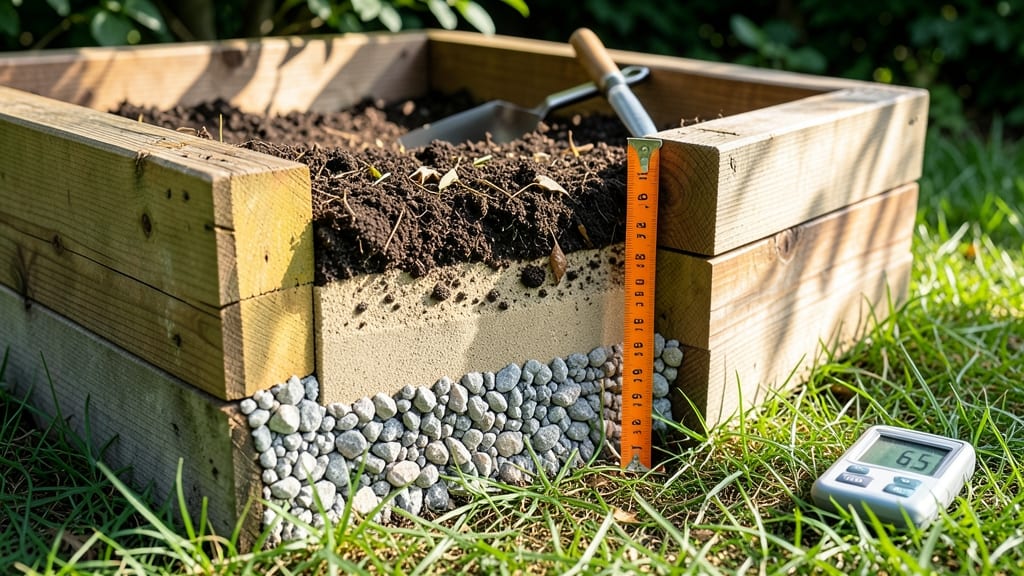
Your raised garden bed's soil depth determines whether your plants thrive or struggle — and 6 to 12 inches is the magic range for most vegetables, herbs, and flowers 🌱.
Struggling to get your raised garden beds to produce healthy, thriving plants? The secret often lies beneath the surface—in the soil depth that supports strong root systems and optimal growth. Too shallow, and roots compete for space; too deep, and you waste resources without gaining benefits.
This isn’t just about throwing dirt into a box. The right depth ensures proper drainage, aeration, and nutrient access, which directly impacts your harvest. Whether you’re a beginner or a seasoned gardener, understanding how to calculate and adjust your soil depth can transform your garden’s productivity.
Below, I’ll break down the science behind ideal depths, how to fix common mistakes, and step-by-step tips for creating the perfect root zone—so you can grow stronger plants with less effort.
Ideal raised garden bed soil depth by plant type
When designing your raised garden beds, soil depth isn't just about aesthetics—it's the foundation for plant health and productivity. Different plants have unique root zone requirements, and providing the right depth ensures strong anchorage, nutrient access, and water retention.
For most vegetables and herbs, a minimum 6-inch soil depth is ideal, but deeper beds (12+ inches) unlock bigger yields and more plant diversity.
Deep-rooted plants like asparagus, tomatoes, and fruit trees demand 18-24 inches of soil to thrive, while shallow-rooted leafy greens and herbs can flourish in just 6-8 inches. The key is matching your plant selection to the bed's depth—whether you're growing root crops, fruiting plants, or ornamental flowers.
Let's break down the science-backed depth requirements for your garden's most popular categories.
Why depth matters: Shallow soil limits root spread, reducing water and nutrient uptake. Deeper roots also improve drought resistance and stability against wind or pests. For example, a tomato plant with only 6 inches of soil will struggle compared to one in a 12-inch deep bed, where its roots can explore more space.
Here’s a science-backed guide to soil depth by plant type, including root depth charts and practical adjustments for your raised beds:
| Plant Category | Ideal Soil Depth | Root Depth Range | Best For |
|---|---|---|---|
| Root Vegetables | 12-18 inches | 12-24 inches | Carrots, beets, parsnips, radishes |
| Fruiting Vegetables | 12-18 inches | 12-36 inches | Tomatoes, peppers, eggplants, squash |
| Leafy Greens | 6-8 inches | 6-12 inches | Lettuce, spinach, kale, Swiss chard |
| Herbs | 6-12 inches | 4-18 inches | Basil, parsley, cilantro, rosemary |
| Fruit Plants | 18-24 inches | 24-36 inches | Strawberries, blueberries, raspberries, dwarf fruit trees |
| Flowers | 6-12 inches | 4-24 inches | Marigolds, zinnias, lavender, sunflowers |
| Perennials | 12-18 inches | 12-36 inches | Asparagus, rhubarb, artichokes, horseradish |
For root vegetables, aim for 12-18 inches of soil to accommodate their taproots. Carrots and parsnips, for example, need this depth to reach maturity without becoming forked or stunted.
If your bed is shallower, opt for shorter varieties like 'Paris Market' carrots (6 inches) or grow them in deep containers alongside your raised bed.
If you're growing fruiting vegetables like tomatoes or peppers, prioritize 12-18 inches
How to calculate and adjust soil depth for your raised beds
Getting your raised garden bed soil depth just right can transform your garden from struggling to thriving. Most plants need at least 6-12 inches of quality soil to establish strong roots, but many gardeners fall short when building their beds.
The good news? Adjusting soil depth is easier than you think, and it starts with a few simple measurements and smart layering techniques.
Before adding any plants, check your current soil depth by measuring from the top of the bed to the bottom layer of soil (not wood or gravel). If your depth is less than 6 inches, your plants will compete for nutrients and water, leading to stunted growth.
The key is creating a loose, fertile root zone that allows roots to spread freely while retaining moisture and nutrients.
Step-by-Step Guide to Perfect Soil Depth
- 1 Measure existing depth: Use a ruler or tape measure to check current soil depth. Dig down to the bottom layer (not wood or landscape fabric).
- 2 Add compost layer: For every 1 inch of missing depth, add 2 inches of compost or aged manure. This improves fertility and structure.
- 3 Mix in topsoil: Combine equal parts compost and high-quality topsoil to create a 6-12 inch loose layer. Avoid compacted soil or clay.
- 4 Test drainage: Water the bed deeply. If water pools after 30 minutes, add 1-2 inches of coarse sand or perlite to improve aeration.
- 5 Mulch the surface: Apply 2-3 inches of mulch (straw or wood chips) to retain moisture and prevent soil compaction from foot traffic.
For deep-rooted plants like tomatoes or asparagus, aim for 12-18 inches of soil. Start with a 6-inch base layer of coarse materials (gravel or bark chips) for drainage, then add your fertile soil mix on top.
This layered approach mimics natural soil profiles and gives roots the space they need to thrive.
Remember, soil depth isn't static. As organic matter breaks down, your bed will naturally settle. Refresh the top 2-3 inches annually with compost to maintain fertility. For heavy feeders like peppers or squash, consider adding a slow-release fertilizer during planting to give roots an extra boost.
With the right soil depth, your raised beds will support healthier roots, better water retention, and higher yields. Start small—measure, amend, and monitor—and watch your plants reward you with lush growth all season long. 🌱