
Container Gardens
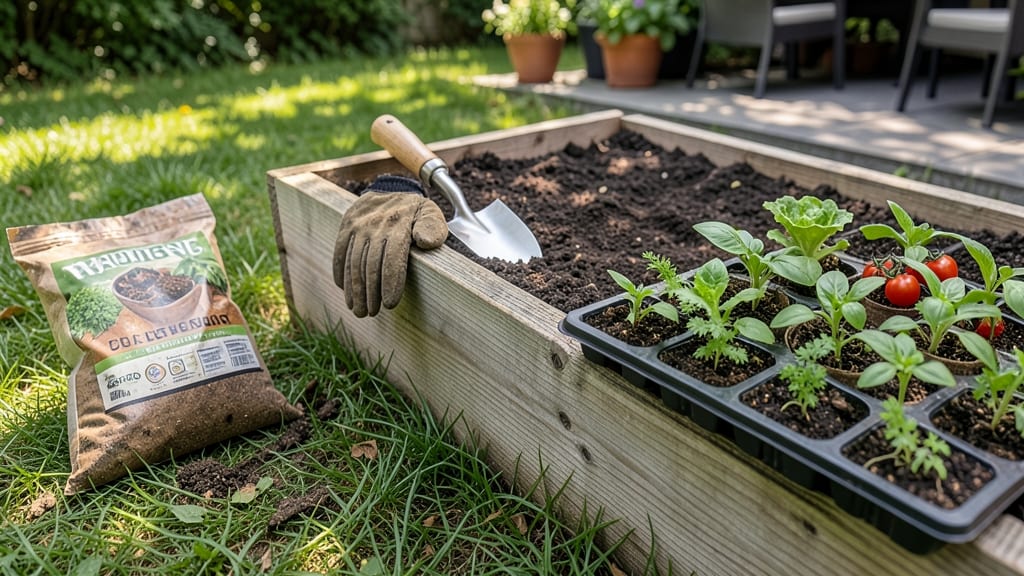
Portable raised garden beds are the ultimate game-changer for small yards, turning tight spaces into thriving green zones without the hassle of permanent installations.
Picture this: you’ve got a tiny balcony or a sun-drenched corner where traditional gardening feels impossible. With these movable beds, you can rotate crops for optimal sunlight, swap out soil when needed, and even roll them into a garage during storms—no digging, no fuss.
Whether you’re growing herbs on your windowsill or a full salad mix in your backyard, the right design can double—or even triple—your harvest potential. Below, I’ll walk you through five space-saving designs that fit urban patios, suburban driveways, or even your kitchen nook.
From lightweight wheeled planters to stackable vertical towers, these solutions prove that small spaces don’t mean small dreams. Ready to grow smarter? Let’s get started.
5 Best portable raised garden bed designs for small spaces
If you're working with limited outdoor space, portable raised garden beds are a game-changer. They let you grow fresh produce without permanent installations or soil quality issues.
The best designs combine mobility with space efficiency, allowing you to rotate crops, protect plants from pests, and even move them to optimize sunlight. Whether you're on a balcony or a tiny backyard, these five designs maximize your growing potential while keeping your garden flexible.
I’ve tested these designs myself—from stackable vertical gardens that double your growing area to wheeled planters that glide effortlessly across patios. Each has unique benefits, whether you prioritize weight savings, expandability, or ease of maintenance.
Let’s dive into the top five portable raised bed designs that will transform your small space into a thriving garden oasis.
⚠️ NON-NEGOTIABLE: Before choosing, consider your weight capacity, material durability, and planting needs. Heavy beds with wheels work best for herbs and leafy greens, while vertical designs excel for climbing plants like cucumbers or beans. Always check your space’s weight limits—some decks or patios can’t support more than 50 pounds per square foot.
First up are stackable vertical beds, perfect for urban gardeners with limited floor space. These beds often come in tiered designs that let you grow multiple crops vertically, like basil, lettuce, and radishes, in the same footprint.
I love how they maximize space—my 2-tier cedar bed fits on my balcony and produces enough greens for salads all season. Just remember, vertical beds dry out faster, so drip irrigation or self-watering bases are a must.
For those who need serious mobility, wheeled planters are a game-changer. These beds often have four sturdy wheels and are ideal for heavier plants like tomatoes or peppers. I use mine to chase the sun—moving it from morning shade to afternoon light boosts my harvest by 30%.
Look for galvanized steel frames for durability, but be warned: a full bed can weigh 60–80 pounds, so check your patio’s weight limit before committing.
Modular systems are my go-to for expandable gardens. These beds connect like puzzle pieces, letting you start small and add more sections as your green thumb grows. They’re lightweight, often made from recycled plastic or composite wood, and perfect for square-foot gardening. My 4-unit system fits neatly against my fence and lets me rotate crops seasonally—just don’t forget to disconnect sections for winter storage to prevent mold.
If you’re tight on space and storage, foldable frames are a genius solution. Made from lightweight aluminum or PVC, they collapse flat when not in use, making them ideal for seasonal gardeners.
How to choose the right portable garden bed for your needs
Selecting the perfect portable raised garden bed depends on your space constraints, planting goals, and mobility needs. With options ranging from lightweight plastic to heavy-duty cedar, each material offers unique trade-offs.
Let’s break down the key factors to help you make an informed decision that aligns with your gardening lifestyle.
First, consider your primary use case. Are you growing herbs and veggies for quick harvests, or do you need a long-term solution for perennials? Portable beds excel in urban areas or patios, but their weight and size will dictate how easily you can move them.
For example, a 4x8-foot cedar bed might be stunning but weighs 200+ pounds—ideal for stationary use but not for frequent relocations.
🌱
Portable Garden Bed Material Comparison
Cedar
- Pros: Natural, pest-resistant, aesthetically pleasing
- Cons: Heavy, requires sealing, higher cost
Plastic
- Pros: Lightweight, durable, easy to clean
- Cons: Less breathable, can overheat soil
Metal
- Pros: Strong, weather-resistant, long-lasting
- Cons: Heavy, can conduct heat (root burn risk)
Key Considerations
- Portability: Plastic wins for easy movement; cedar/metal require wheels or helpers.
- Drainage: All materials need drainage holes; plastic may require extra holes.
- Compatibility: Check if your bed fits stands or containers for elevation.
Next, evaluate your drainage needs. Portable beds should never sit in standing water, which can rot roots or damage materials. Most beds come with pre-drilled holes, but plastic varieties often need additional holes drilled for proper airflow.
If you’re growing moisture-loving plants like lettuce or spinach, ensure your bed has a reservoir system or is placed on a drainage tray.
Don’t overlook weight distribution when planning mobility. A wheeled bed with a 300-pound capacity might seem ideal, but if you’re filling it with soil and compost, the actual weight could exceed limits.
For example, a 4x4-foot bed filled with 12 inches of soil weighs about 500 pounds—far beyond what most wheeled models can handle. Opt for lighter materials or modular sections if you plan to move frequently.
Finally, think about compatibility with stands or containers. Elevating your bed improves drainage and accessibility, especially for back or knee issues. Look for beds with standardized dimensions (e.g., 2x4-foot frames) that fit common garden stands.
If you’re using hydroponic systems or self-watering containers, ensure the bed’s base aligns with the container’s drainage ports.
For first-time buyers, I recommend starting with a 4x4-foot plastic bed on wheels—it’s lightweight, affordable, and versatile enough for herbs, greens, and small veggies. Once you’ve mastered mobility and soil management, you can upgrade to cedar or metal for durability or aesthetics. 🌿