
Planting
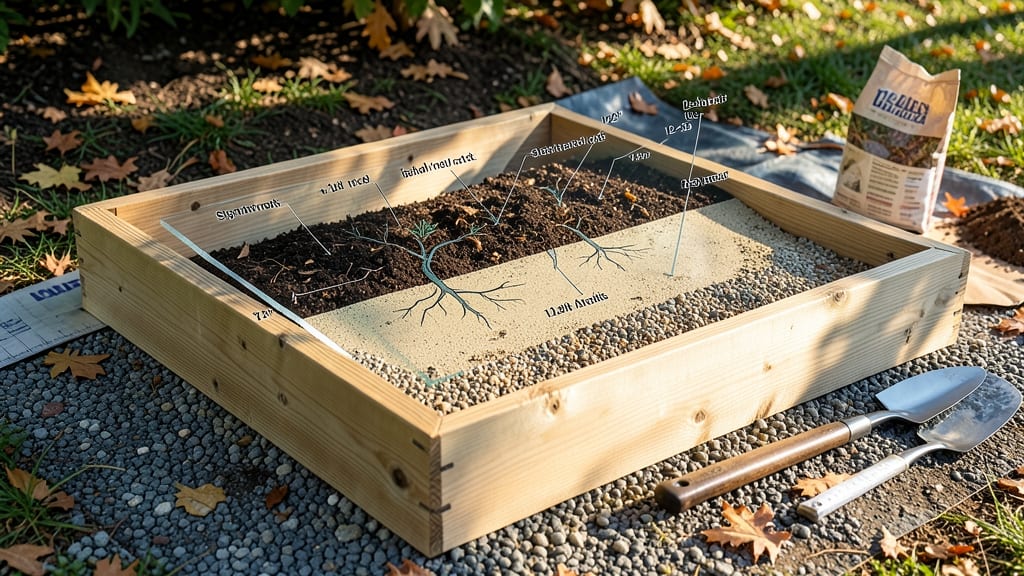
Ideal raised garden bed depth by plant type: root-space requirements explained
When building raised garden beds, depth isn't just about aesthetics—it's a critical factor for plant health and harvest success. Most vegetables thrive in 6-12 inches of soil, but deep-rooted plants like asparagus or fruit trees need 18+ inches to flourish.
Getting this right means stronger roots, better nutrient access, and fewer compaction issues that stunt growth.
I've learned the hard way that shallow beds (under 6 inches) limit root crops like carrots and potatoes, forcing them to grow crooked or stunted. Meanwhile, herbs like basil and parsley adapt well to shallower spaces, making bed depth a plant-specific decision.
Let's break down the exact requirements for your garden's most popular crops.
📌 Pro Tip: Always add 3-4 inches of compost to the bottom of your bed before planting. This improves soil structure and gives roots more room to expand naturally.
| Plant Type | Minimum Depth | Optimal Depth | Notes |
|---|---|---|---|
| Leafy Greens (Lettuce, Spinach, Kale) | 6" | 8-10" | Shallow roots; great for wide, shallow beds |
| Root Crops (Carrots, Radishes, Beets) | 10" | 12-18" | Deep roots need loose, stone-free soil |
| Herbs (Basil, Parsley, Cilantro) | 6" | 8-10" | Adaptable; prefer well-draining soil |
| Fruiting Plants (Tomatoes, Peppers, Strawberries) | 10" | 12-18" | Sturdy support needed for vining plants |
| Deep-Rooted Perennials (Asparagus, Rhubarb) | 18" | 24+" | Requires long-term soil investment |
| Trees/Shrubs (Blueberries, Dwarf Fruit Trees) | 24" | 30+" | Use deep containers or layered beds |
*Depths include 3-4" of compost at base for optimal root growth
For vegetables like tomatoes and peppers, I always aim for 12-18 inches of depth. These plants need room to develop strong root systems that anchor them and access nutrients deep in the soil.
In my 4'x8' raised beds, this means filling them with a mix of topsoil, compost, and perlite for perfect drainage.
If you're growing root vegetables like carrots or parsnips, loose, stone-free soil is just as important as depth. I've had the best luck with sandy loam mixed with aged compost—this prevents the roots from splitting or growing in awkward directions.
Always sift your soil to remove rocks before planting.
For herbs and shallow-rooted plants, you can get away with 6-8 inches of soil, but I still recommend going deeper if possible. The extra space lets you layer crops (like planting basil after harvesting radishes) without disturbing roots. This succession planting trick maximizes your bed's productivity year-round.
One common mistake I see is underestimating the soil volume needed for larger beds. A 4'
How to calculate and adjust raised bed depth for maximum yield
Your raised garden beds might look perfect from the top, but what’s happening below the soil surface determines whether your carrots grow long or your tomatoes thrive. The right depth ensures roots have space to spread, nutrients stay accessible, and water drains properly.
Without proper depth, even the hardiest plants struggle to reach their full potential.
Most standard raised beds start at 6-12 inches deep, but this isn’t always enough. Deep-rooted plants like potatoes, asparagus, and fruit trees need at least 18 inches to thrive.
Even shallow-rooted herbs and lettuce benefit from deeper soil, as it retains moisture and nutrients better. Before planting, measure your current bed depth and compare it to your plants’ needs.
⚠️ Common Mistake: Underestimating Root Space
A 6-inch bed works for strawberries or herbs, but carrots or potatoes need 12+ inches to grow fully. Shallow beds force roots to compete for space, stunting growth and reducing yields by up to 50%. Always check your plant’s mature root depth before finalizing bed height.
Start by measuring your current bed depth with a tape measure or ruler. Dig a small hole in the center and note the distance from the top to the bottom. If your bed is less than 6 inches, it’s time to adjust.
For most vegetables, aim for 10-12 inches—this gives roots room to grow while keeping soil warm and moist near the surface.
To increase depth without rebuilding, add compost or aged manure as a top layer. This not only boosts soil fertility but also raises the overall height. For a permanent solution, extend the bed’s sides with wood, cinder blocks, or landscape fabric-wrapped bricks.
Just ensure you leave gaps for drainage at the bottom to prevent waterlogging.
For deep-rooted plants, consider a two-tiered approach: use the top layer for shallow-rooted crops and the lower layer for deeper ones. For example, plant lettuce or radishes in the top 6 inches and carrots or parsnips in the lower 12 inches.
This maximizes space and ensures every plant gets the root room it needs.
Finally, test your adjusted bed’s drainage by filling it with water and checking how quickly it drains. If water pools after 30 minutes, add more perforated pipes or gravel at the bottom.
Proper drainage keeps roots healthy and prevents rot, even in the deepest beds. With the right depth, your raised beds will become a powerhouse for bigger, healthier harvests all season long. 🌱