
Tools
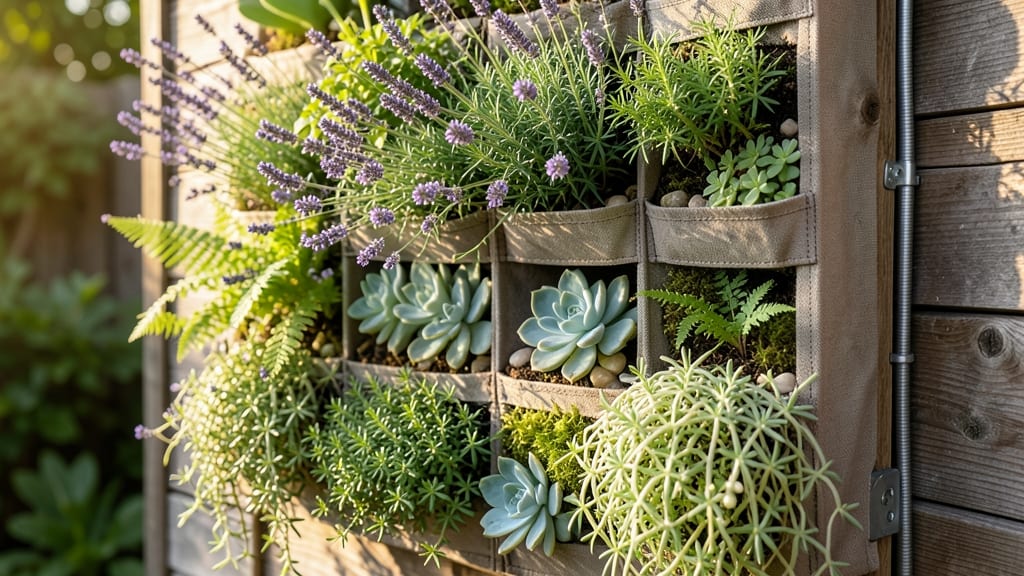
Creating an outdoor wall garden transforms even the smallest yard or balcony into a thriving green space 🌿—no sprawling plot required.
Picture this: fresh herbs within arm’s reach, trailing flowers that spill over edges, and vegetables growing where pavement once was. The secret? Vertical gardening turns wasted wall space into a functional, eye-catching display that works for urban balconies or cozy patios.
But not all wall gardens are created equal. Some need minimal maintenance, while others demand sturdy materials to handle weight and weather. Below, I’ll show you how to choose the right setup—whether you’re DIY-ing with pallets or investing in pre-made systems—and which plants will thrive in your climate.
Ready to reclaim your walls? You’ll learn space-saving layouts, plant pairings that maximize growth, and the simple tricks that keep your garden lush year-round.
10 Creative outdoor wall garden layouts for small spaces
Outdoor wall gardens are a game-changer for small spaces, turning blank walls into vibrant, productive green canvases. Whether you have a balcony, patio, or narrow yard, these layouts maximize every inch without sacrificing beauty or functionality.
The key is choosing a design that fits your space’s dimensions, sunlight conditions, and your gardening goals—whether it’s growing herbs, vegetables, or cascading flowers.
For urban dwellers, modular systems like pocket planters or trellis panels offer flexibility to rearrange plants seasonally. Meanwhile, rustic wooden crates or metal grid frames add charm while providing sturdy support for climbing plants.
The best part? Most of these layouts require minimal tools and can be assembled in a weekend. Let’s explore 10 space-saving designs that prove you don’t need a backyard to grow big.
| Layout Type | Best For | Space Needs | Sunlight Needs | Maintenance |
|---|---|---|---|---|
| Tiered Wooden Shelves | Herbs, succulents, small veggies | 2' x 2' wall space | Partial to full sun | Low (self-watering options) |
| Hanging Fabric Pockets | Trailing flowers, strawberries | 1' x 3' wall space | Partial sun | Medium (watering frequency) |
| Modular Plastic Panels | Leafy greens, microgreens | 3' x 3' wall space | Full sun | Low (drip irrigation) |
| Vertical Trellis Grid | Cucumbers, beans, morning glories | 4' x 2' wall space | Full sun | Medium (pruning needed) |
| Pallet Wood Planters | Herbs, peppers, small tomatoes | 3' x 4' wall space | Partial to full sun | Medium (soil refresh yearly) |
| Stacked Ceramic Pots | Succulents, air plants | 1' x 1' wall space | Bright indirect light | Low (drought-tolerant) |
| Bamboo Rolling Planters | Basil, lettuce, radishes | 2' x 2' wall space | Partial sun | Medium (rotate plants) |
| Hydroponic Wall System | Leafy greens, herbs | 3' x 3' wall space | Full sun to artificial light | High (nutrient monitoring) |
| Cinder Block Planters | Tomatoes, peppers, herbs | 4' x 2' wall space | Full sun | Medium (soil prep needed) |
| Macramé Hanging Baskets | Petunias, ferns, ivy | 1' x 3' ceiling space | Partial to full sun | Low (self-watering baskets) |
My favorite layout for beginners is the tiered wooden shelves—they’re customizable, budget-friendly, and perfect for herbs like basil or thyme. Start with a 2-foot section and add shelves as you expand.
For those with full sun exposure, a vertical trellis grid is ideal for growing cucumbers or beans, which thrive when trained upward. The
Best plants for vertical outdoor gardens: sunlight, drainage, and growth habits
Vertical gardening transforms tight spaces into lush, productive gardens—but not all plants thrive in these setups. The key is selecting space-efficient varieties with strong root systems and adaptable growth habits.
Trailing herbs, compact succulents, and climbing vines excel in vertical pockets, while proper sunlight exposure and drainage solutions keep them thriving all season.
For sunlight-loving plants, prioritize south- or west-facing walls where they’ll receive 4-6 hours of direct sun daily.
Shade-tolerant varieties, like ferns or ivy, work beautifully on north-facing walls or under eaves. Drainage is non-negotiable—use well-aerated growing pockets or fabric-lined planters to prevent root rot, especially with moisture-sensitive succulents.
| Plant | Sunlight | Water Needs | Mature Height | Companion |
|---|---|---|---|---|
| Basil | Full Sun | High (daily) | 1-2 ft | Tomatoes, Peppers |
| Thyme | Partial Sun | Low (weekly) | 6-12 in | Rosemary, Lavender |
| String Beans | Full Sun | Medium (every 2-3 days) | 4-6 ft (trellis) | Cucumbers, Zucchini |
| Sedum (Stonecrop) | Full Sun | Low (bi-weekly) | 6-12 in | Succulents, Lavender |
| Nasturtiums | Partial Sun | Medium (every 3-4 days) | 1-2 ft | Basil, Lettuce |
Start with fast-growing herbs like basil or mint, which thrive in full sun and produce harvestable yields in as little as 4-6 weeks.
For low-maintenance options, succulents (like sedum) and orchids demand minimal water but add striking texture. Trailing vines, such as nasturtiums or sweet potatoes, cascade beautifully over edges, creating a living curtain while suppressing weeds.
Companion planting boosts vertical gardens by maximizing space and deterring pests. Pair basil with tomatoes to improve flavor and repel whiteflies, or combine thyme with rosemary for a fragrant, drought-resistant duo. Always check root depth—shallow-rooted herbs (like chives) can share pockets with deeper-rooted plants (like parsley) without competition.
Prune regularly to encourage bushier growth and prevent overcrowding. Pinch back leggy stems on herbs and vines to redirect energy into leafier, denser foliage. In hot climates, provide afternoon shade for delicate varieties like lettuce or spinach to prevent bolting.
With the right mix of sunlight, drainage, and companions, your vertical garden will flourish year-round.
🌱