
Planting
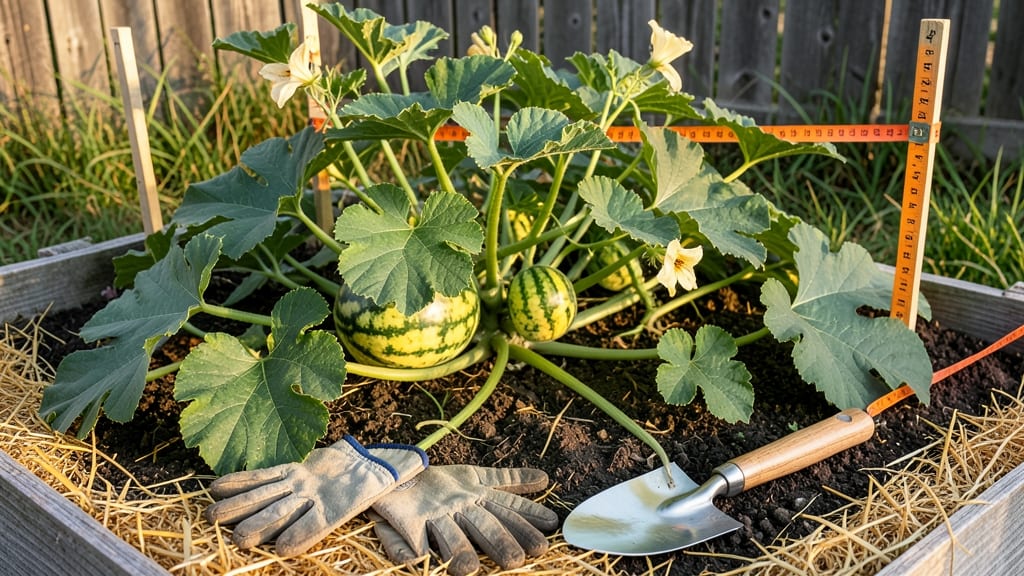
Getting your watermelon garden spacing right is the difference between a handful of underripe fruits and a bounty of sweet, vine-ripened 🍉 you’ll brag about at the farmers' market.
Struggling to grow watermelons that are both plentiful and prize-winning? The secret to juicy, vine-ripened fruits isn’t just good soil—it’s the right spacing that ensures proper airflow, sunlight, and root development.
Too close, and your melons fight for nutrients, leaving you with bitter, small fruits. Too far apart, and you waste precious garden real estate. The good news? With the right layout, you can maximize your harvest without sacrificing quality.
In this guide, I’ll walk you through the ideal spacing for different watermelon varieties, how to adjust for small gardens, and pro tips to avoid common mistakes that shrink your yield.
Optimal watermelon garden spacing by variety type
Watermelons thrive when given the right space to stretch their sprawling vines and develop large, juicy fruits. But spacing needs vary wildly—from compact bush varieties that fit in containers to sprawling vine types that need room to roam.
The key? Matching your variety type to your garden’s layout while accounting for sunlight, airflow, and root competition.
Too little space leads to stunted growth, disease pressure, and tiny melons. Too much wastes garden real estate. I’ve grown watermelons in raised beds, small urban plots, and large-scale farms, and the spacing rules I’ve learned can double your yield while keeping plants healthy.
Let’s break it down by type so you can plan your perfect layout.
Here’s how to space watermelons for maximum success, whether you’re working with 6-inch containers, 4-foot raised beds, or a half-acre field. The science?
Proper spacing ensures even sunlight exposure, reduces soil-borne diseases, and gives roots room to spread—all critical for 10-pound melons instead of golf-ball-sized disappointments.
For bush varieties, think of them like dwarf tomatoes—compact and efficient. I’ve successfully grown 'Sugar Baby' watermelons in 5-gallon containers with 12-inch spacing, and they produced 3-5 pound melons each.
The secret? Well-draining soil and daily watering to prevent root stress. These types are perfect for balcony gardens or raised beds where space is tight.
When it comes to vine varieties, resist the urge to crowd them. A 36-inch spacing between plants and 5-foot rows gives vines room to spread their leaves for maximum photosynthesis.
I once tried squeezing 'Charleston Gray' into 24-inch spacing, and while the vines grew, the melons stayed under 2 pounds. Proper spacing ensures each plant gets 6+ hours of sunlight and reduces competition for water and nutrients.
In raised beds, you can cut spacing by nearly half because the confined roots encourage upward growth. For example, 18-inch spacing in a 4-foot-wide bed works beautifully for bush types. Just be prepared to prune side shoots to keep plants from overcrowding. I’ve even trained semi-dwarf
Common spacing mistakes that shrink your harvest
Even with rich soil and perfect sunlight, overcrowded watermelons will produce smaller, less flavorful fruits. I’ve seen gardens where plants compete for nutrients, leading to stunted growth and disease hotspots from poor airflow. The key is understanding how spacing affects your harvest—both above and below ground.
Watermelon vines spread aggressively, but their roots also need room to expand. When plants are too close, roots tangle, stealing moisture and nutrients from each other. This competition forces the plant to divert energy from fruit development to survival, resulting in underwhelming yields of tiny, seedy melons.
Another critical mistake? Ignoring variety-specific spacing. A compact bush variety like 'Sugar Baby' needs 3 feet between plants, while sprawling vine types like 'Crimson Sweet' demand 6 feet or more. Mixing these without adjusting spacing guarantees disappointment.
🚨 Watermelon Spacing Warning: The 3 Biggest Mistakes
- Cramming plants for quick harvests → stunted growth and fruit rot from trapped moisture.
- Skipping row spacing (4-6 ft between rows) → shaded vines and reduced pollination.
- Assuming "more plants = more melons" → smaller fruits and higher disease risk from poor airflow.
Pro Tip: Thin seedlings early to avoid mid-season crowding—it’s easier than pruning sprawling vines later!
You can fix spacing issues mid-season, but it requires vigilance. If your vines are already crowded, gently prune excess runners to redirect energy to existing fruits. For severe cases, consider transplanting the most vigorous plants to a new spot—just be gentle with the roots to avoid shock.
Poor spacing also invites pests and diseases. Crowded plants create humid microclimates perfect for powdery mildew and cucumber beetles. I’ve seen entire watermelon patches lost because growers ignored this simple rule: airflow saves harvests. A 4-foot gap between plants lets sunlight reach the soil, reducing fungal spores.
For container growers, spacing mistakes are even costlier. A 5-gallon pot might hold one bush variety, but two plants will compete for water and stunt each other’s growth. Always check your container’s depth—watermelon roots need 12+ inches of soil to thrive.
Start with the right spacing, and your watermelons will reward you with larger, sweeter fruits and fewer pests. The effort pays off in bigger harvests and healthier plants—no shortcuts needed. 🍉