
Advice
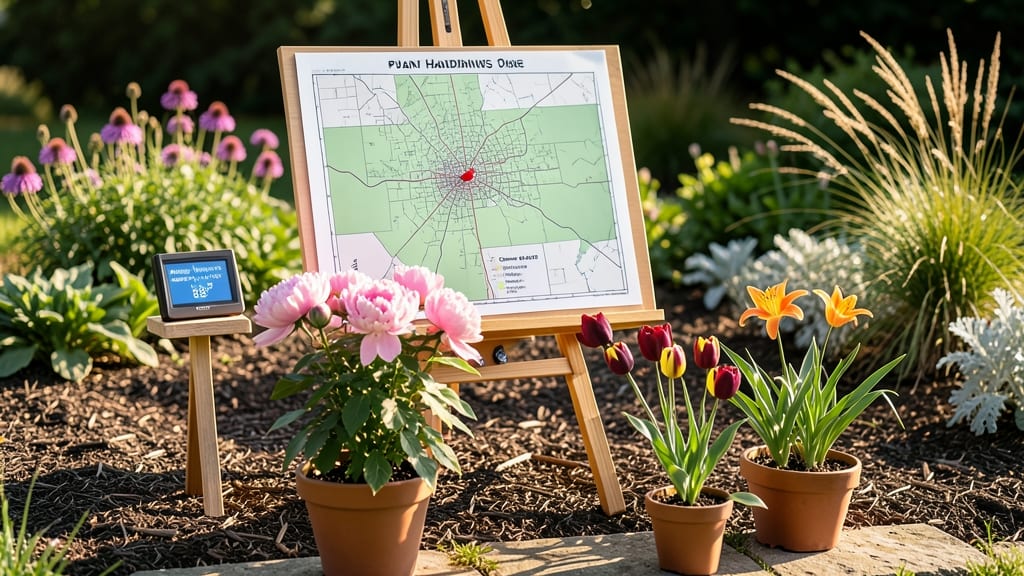
Cincinnati, Ohio, falls in USDA Hardiness Zone 6b, where winter chill and summer heat shape what you can grow in your garden.
If you're planning your Cincinnati garden but aren't sure which plants will thrive in your local climate, knowing your USDA zone is the first critical step—getting it wrong could mean wasted seeds and disappointed harvests.
This zone determines when to plant, which varieties survive, and even how to protect tender crops from late frosts (think April 15 on average). Whether you're dreaming of tomatoes or tulips, the 6b label is your gardening compass.
Below, we’ll break down what Zone 6b means for your planting schedule, how it compares to nearby areas, and how to tweak your strategy for microclimates—so you can grow with confidence, not guesswork.
Cincinnati's official USDA Hardiness Zone 6b: what it means for your garden
Cincinnati, Ohio, sits firmly in USDA Hardiness Zone 6b, where winter lows typically range from -5°F to 0°F (-20.6°C to -17.8°C). This classification is your gardener's GPS—it tells you which plants can survive Cincinnati's chilly winters and sweltering summers without needing greenhouse protection.
Understanding your zone helps you avoid costly mistakes like planting tender annuals too early or losing perennials to unexpected freezes.
Zone 6b means you can grow a diverse range of plants, from cold-hardy vegetables like kale and spinach to heat-loving favorites such as tomatoes and peppers.
The key is matching your plant choices to Cincinnati's average last frost date (around April 15) and first frost date (around October 15). These dates create your growing season window—typically 165 frost-free days—which is perfect for both cool-season crops and warm-season staples.
Here’s how Zone 6b affects your garden planning:
| Climate Factor | Zone 6b Details | Garden Implications |
|---|---|---|
| Winter Low | -5°F to 0°F (-20.6°C to -17.8°C) | Protect tender plants; choose hardy perennials like coneflowers or daylilies. |
| Last Frost | April 15 (varies yearly) | Start planting warm-season crops (tomatoes, peppers) after this date. |
| First Frost | October 15 (varies yearly) | Harvest cool-season crops (kale, spinach) before frost hits. |
| Growing Season | 165 frost-free days | Ideal for annuals and perennials with medium maturity times. |
| Summer Highs | 85°F to 95°F (29°C to 35°C) | Provide shade and mulch for heat-sensitive plants. |
| Microclimates | Urban areas warmer; north slopes cooler | Adjust planting zones by 1-2 zones based on location. |
Cincinnati’s urban heat island effect can push temperatures in downtown areas up by 2-5°F compared to suburban or rural zones.
This means your downtown garden might feel more like Zone 7a, while cooler microclimates near the Ohio River or in shaded yards could lean toward Zone 6a. Always test your specific spot by monitoring local frost dates or using a minimum temperature gauge for accuracy.
For perennial plants, Zone 6b allows you to grow a wide variety of hardy species, including roses, hydrangeas, and peonies, which thrive in Cincinnati’s climate. Even fruit trees like apple, pear, and cherry can establish strong root systems here, provided they’re planted in well-draining soil.
Just be mindful of late spring frosts, which can damage blossoms and reduce fruit yields.
If you’re growing vegetables and annuals, focus on varieties with 50-90 day maturity times to fit within your frost-free window. For example, bush beans and zucchini mature quickly enough to avoid fall frosts, while broccoli and cabbage can handle cooler temperatures and even light frosts.
Always check seed packets for days to maturity and plant accordingly.
Extending your growing season is easier in Zone 6b than in colder zones. Use row covers, cold frames, or raised beds to protect early plantings from late frosts. In fall, black plastic mulch can warm the soil and push harvests later into October.
For container gardening, move pots to sheltered spots or bring them indoors during cold snaps to preserve your plants.
One common mistake in Zone 6b gardens is overestimating plant hardiness. Just because a plant survives winter in Zone 6b doesn’t mean it will thrive. For instance, lavender and rosemary are often labeled as Zone 6b hardy, but Cincinnati’s humid summers can stress them.
Opt for native or adapted varieties, like butterfly bush or Russian sage, which handle both heat and humidity better.
To stay on top of Cincinnati’s ever-changing microclimates, bookmark resources like the National Weather Service’s Cincinnati office or use apps like PlantNet to track local frost dates. Local gardening groups, such as the Cincinnati Garden Club, also share real-time updates on planting conditions—perfect for fine-tuning your garden strategy.
Best planting times in Cincinnati by USDA Zone 6b: when to start seeds indoors and outdoors
Cincinnati’s USDA Zone 6b gives us a 150-day growing season, with last frost dates typically around April 15 and first frost around October 15. This means timing is everything—plant too early, and frost will kill tender seedlings; too late, and your harvest shrinks.
The key is knowing when to start seeds indoors and when to transplant outdoors for each plant type.
For cool-season crops like kale, spinach, and lettuce, you can start seeds indoors 4-6 weeks before the last frost (around early March) or sow directly outdoors in early spring (March) or fall (September).
Warm-season crops like tomatoes, peppers, and basil need a head start indoors—begin seeds 6-8 weeks before transplanting (mid-March for Cincinnati).
Container gardening in Cincinnati requires adjustments—warm-season crops in pots heat up faster, so transplant them 1-2 weeks later than in-ground plants. Use lightweight potting mix and self-watering containers to prevent drought stress during summer’s 90°F+ heat waves.
For perennials, divide and transplant in early spring or fall when soil is cool and moist.
Pro tip: Use row covers to extend your season—plant cool-season crops in late August and protect them until first frost. This trick adds 3-4 extra weeks of harvest time for greens and root vegetables. Just remember to remove covers during hot days to avoid overheating.
Don’t forget to mark your calendar with Cincinnati’s frost dates—April 15 (last frost) and October 15 (first frost)—and adjust for microclimates. Urban areas like downtown Cincinnati can be 2-3°F warmer than suburban zones, while river valleys may experience earlier frosts.
When in doubt, use a frost clock or local gardening apps for real-time updates.