
Tools
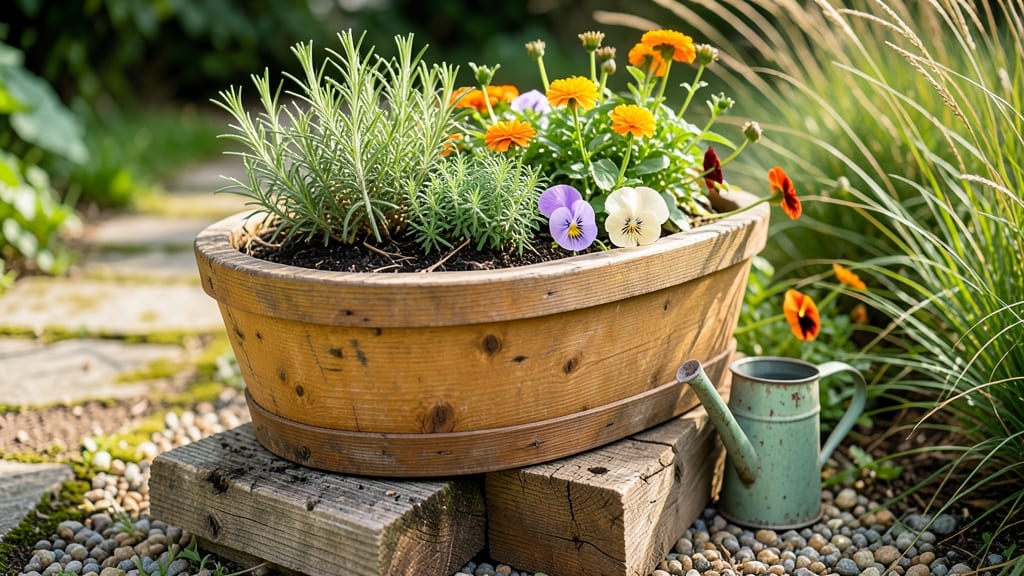
A garden bathtub is a repurposed tub or basin creatively converted into an outdoor planter, offering a unique way to grow plants in small spaces like patios or balconies. These containers often include drainage solutions and can be crafted from materials like wood, metal, or even recycled household items.
A garden bathtub transforms discarded tubs into functional, decorative planters that maximize limited outdoor space. 🌿 Unlike traditional planters, they often feature built-in drainage systems to prevent root rot while adding a vintage or industrial aesthetic to your garden.
I’ve seen them used for everything from growing herbs in kitchens to displaying vibrant flowers on fire escapes—proof that repurposing can be both practical and stylish.
What makes these planters especially appealing is their versatility. You can use them for vegetables, herbs, or even small shrubs, depending on the tub’s size and drainage capacity.
For instance, a deep cast-iron tub might work well for root vegetables like carrots, while a shallow acrylic tub could be perfect for trailing plants like petunias. The key is choosing the right material and ensuring proper soil drainage to keep your plants thriving.
💡 In This Article
- How Garden Bathtubs Enhance Urban Gardening
- DIY Garden Bathtub Materials and Setup Guide
How garden bathtubs enhance urban gardening
Garden bathtubs revolutionize urban gardening by solving two major challenges: limited space and drainage issues. Traditional planters often struggle with water pooling at the bottom, leading to root rot, while raised beds require significant ground space.
A repurposed bathtub, however, combines the depth of a raised bed with the portability of a container—perfect for balconies or patios. The sloped design of most tubs naturally channels excess water toward drainage holes, which you can easily add using a drill and ½-inch PVC pipe or perforated metal sheets.
One of the biggest advantages is how these tubs regulate soil temperature. Cast-iron bathtubs, for example, absorb and retain heat during the day, creating a 5-10°F warmer microclimate than surrounding soil—ideal for growing heat-loving plants like tomatoes or basil.
Acrylic tubs, on the other hand, insulate better, keeping roots cooler in summer and warmer in winter. This thermal regulation extends the growing season by 2-4 weeks compared to standard planters, which lose heat quickly.
The aesthetic appeal of garden bathtubs turns gardening into a design statement. A vintage clawfoot tub painted in matte green or a modern acrylic tub with geometric cutouts instantly elevates your outdoor space.
Unlike basic plastic planters, bathtubs offer textural contrast—think rough cast iron against smooth porcelain—and can be arranged in unexpected ways, like stacking them vertically or mounting them on walls.
This flexibility makes them ideal for small spaces where every inch counts, such as a 2-foot-by-3-foot balcony where you’d otherwise struggle to fit a traditional raised bed.
For plant health, the depth of a bathtub (typically 14-18 inches) allows roots to establish deeper than in shallow containers, reducing the need for frequent watering. This is especially beneficial for herbs like rosemary or vegetables like kale, which thrive with more root space.
The tub’s width also supports larger plants: a 24-inch diameter tub can comfortably house a small citrus tree or a sprawling zucchini vine, whereas a standard 12-inch pot would restrict growth.
Comparing them to hanging gardens, bathtubs offer superior stability and soil volume. Hanging planters often dry out quickly and limit root growth, while bathtubs provide a stable base and enough soil to sustain plants through dry spells.
The trade-off? Bathtubs require more upfront effort to repurpose and modify, but the long-term benefits—like reduced watering needs and healthier plants—make them a smarter investment for urban gardeners.
What most people don’t realize is how bathtubs can double as functional furniture. Add legs or a wooden base, and you’ve got a stylish seating area with built-in greenery.
Or mount one on a wall to create a vertical garden that saves floor space. The possibilities are limited only by your creativity—and the size of your tub! 🌿