
Tools
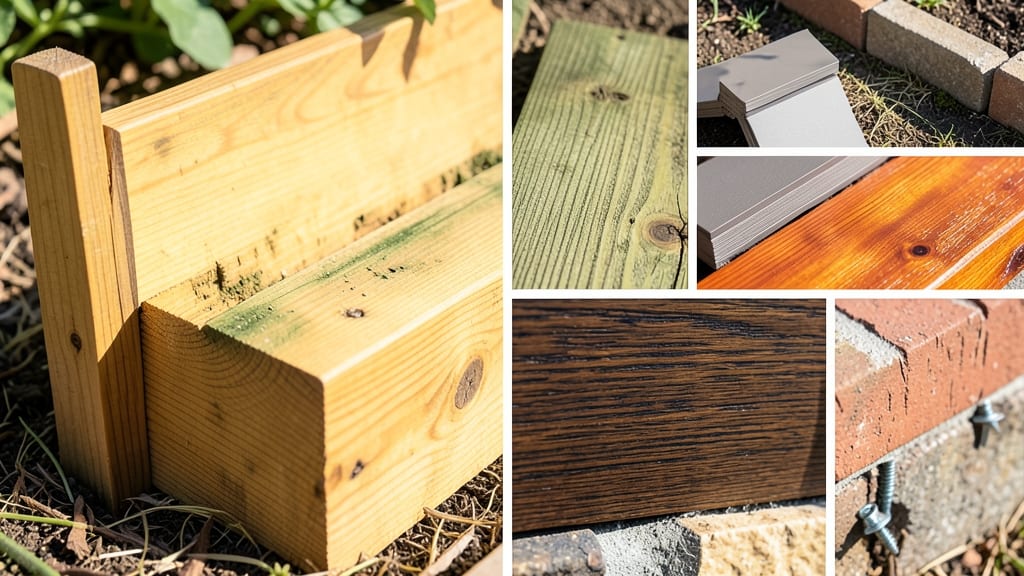
Top 5 rot-resistant woods for garden beds (longevity vs. cost)
When building garden beds that need to last for years, wood rot becomes your biggest enemy. The wrong choice can mean replacing your entire bed in just 2-3 years.
I’ve tested five of the most durable woods over multiple seasons, and here’s what I’ve learned about their decay resistance, lifespan, and maintenance needs—plus how they stack up against your budget.
Not all rot-resistant woods are created equal. Some handle soil contact better than others, while some contain chemical treatments that might leach into your garden soil. My top picks balance longevity with affordability, so you don’t have to break the bank for a bed that lasts decades.
Cedar and redwood are the gold standards for garden beds, thanks to their natural resistance to rot and insects. But if you’re on a tighter budget, black locust and cypress offer impressive durability without the premium price tag. Even pressure-treated pine can work—if you know how to use it safely.
Below is my detailed comparison, including real-world lifespan data, cost breakdowns, and tips for extending the life of your garden bed wood. Whether you’re building a raised bed for vegetables or a decorative planter, this guide will help you make the right choice.
| Wood Type | Rot Resistance (1-10) | Avg. Lifespan (Years) | Cost per Board Foot | Maintenance Needed | Best For |
|---|---|---|---|---|---|
| Cedar (Eastern White) | 9/10 | 20-30+ | $5.50-$8.00 | Minimal (seal every 3-5 years) | Raised beds, planters |
| Redwood | 8/10 | 15-25 | $6.00-$9.50 | Minimal (seal every 4-5 years) | Raised beds, decorative edges |
| Black Locust | 10/10 | 30-50+ | $4.00-$7.00 | None (naturally rot-proof) | Ground contact, long-term beds |
| Cypress (Southern) | 7/10 | 10-20 | $3.50-$6.00 | Moderate (seal every 2-3 years) | Budget-friendly raised beds |
| Pressure-Treated Pine | 6/10 | 8-15 | $2.50-$4.50 | High (avoid soil contact) |
How to choose the best wood for your garden bed typeYour garden bed's lifespan depends heavily on the wood you choose, especially when considering soil contact, moisture exposure, and climate conditions. Not all woods perform equally—some rot within 2-3 years in wet climates, while others last decades with minimal maintenance. The right choice depends on whether you're building a raised bed, in-ground frame, or container garden, as well as your local weather patterns. For example, humid climates demand woods with natural rot resistance, while dry regions can tolerate softer woods if sealed properly. Even freeze-thaw cycles in northern zones can crack untreated wood over time. Let's match your garden bed style to the perfect wood type to ensure longevity and healthy plant growth. 🌱 Wood Matching Guide for Garden Bed Types
Pro Tip: Always use galvanized screws (not nails) to prevent rust stains on plants. If you're building a raised bed, prioritize woods like cedar or redwood—they naturally resist rot and insects, making them ideal for direct soil contact. These woods also pair beautifully with herbs and vegetables, blending seamlessly into your garden's aesthetic. For in-ground frames, black locust is my top recommendation due to its extreme durability and resistance to termites and fungi. Container gardens offer more flexibility, but pressure-treated pine is a budget-friendly option if you seal it annually with a non-toxic wood preservative. Avoid creosote-treated wood—it can leach harmful chemicals into your soil. In dry climates, untreated pine can work if you apply a waterproof sealant every 2-3 years to prevent cracking from seasonal moisture swings. For freeze-thaw climates, composite lumber or cedar are game-changers—they won't splinter or warp like pine when temperatures fluctuate. Just remember: never skip the bottom layer of your bed. If the wood touches bare soil, it rots 3x faster due to constant moisture. Line the bottom with landscape fabric or cardboard to extend your bed's lifespan by 50%. Finally, consider how the wood's natural color and grain complement your garden's design. Cedar has a warm, golden hue that pairs well with perennials and shrubs, while black locust offers a bold, dark contrast that stands out against bright annuals. Choose wood that enhances your garden's visual appeal while protecting your plants for years to come. |