
Blooming
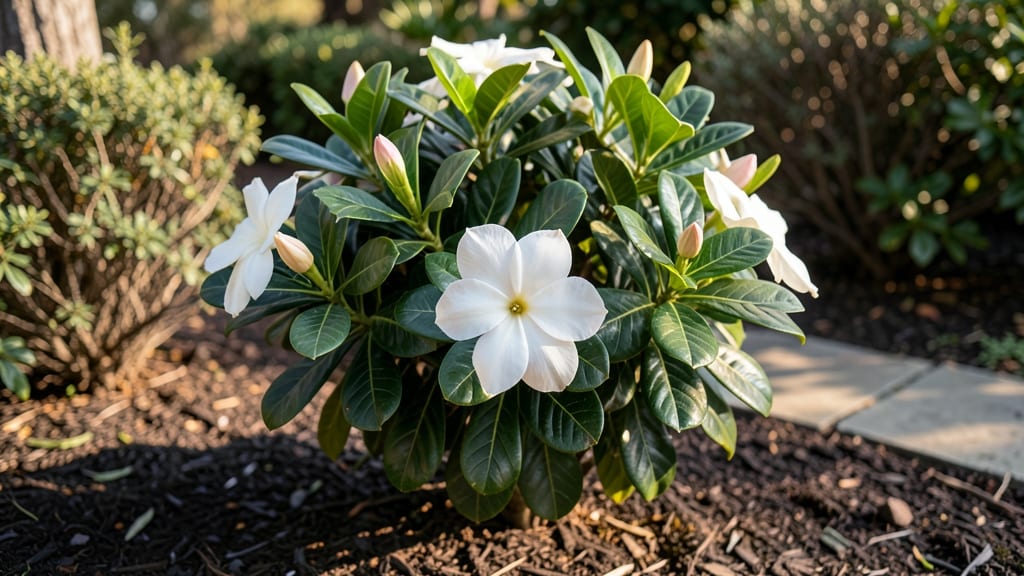
Gardenia flowers bloom between late spring and early fall, with peak season depending on your climate zone and the variety you grow.
If you’ve ever waited patiently for those fragrant 🌸 blooms to appear—only to be met with stubborn silence—you’re not alone. Gardenias are finicky about timing, and a few key factors can shift their flowering window by weeks, even months.
In USDA Zone 6 (like much of the Midwest), gardenias typically flower from June through August, though container-grown plants in warmer microclimates may start as early as May.
Warmer zones like Florida or California see blooms stretching from late spring into September, while cooler regions might only get a brief summer show.
Below, I’ll break down the exact seasonal triggers—light, temperature, and pruning—that control when your gardenia puts on its best display, plus how to nudge blooms earlier (or later) if you’re craving year-round fragrance.
Gardenia bloom seasons by US hardiness Zones: month-by-month guide
If you've ever wondered when do gardenias flower in your specific climate, the answer depends heavily on your USDA hardiness zone. Gardenias thrive in warm climates, but their bloom windows shift dramatically from Zone 7 to Zone 11.
Understanding these seasonal patterns helps you anticipate fragrance-filled summers or plan greenhouse adjustments for cooler regions.
In Zones 9-11, gardenias often bloom year-round with peak periods, while Zones 7-8 experience more defined spring-to-fall seasons. Container-grown plants also have unique timing due to their mobility—let's break down exactly what to expect where you live.
| USDA Zone | Early Bloom | Peak Bloom | Late Bloom | Container Adjustments |
|---|---|---|---|---|
| Zone 7 | Late May | June-July | Early August | Move indoors by October |
| Zone 8 | Early May | June-August | September | Partial winter protection |
| Zone 9 | March-April | May-September | October | Minimal adjustments |
| Zone 10 | February | March-November | December | None needed |
| Zone 11 | Year-round | Year-round | Year-round | None needed |
In Zone 7, gardenias typically start blooming in late May as temperatures stabilize above 70°F. This is the northernmost zone where gardenias reliably flower outdoors, but you'll need to protect them from early frosts.
The peak bloom period spans June and July, with late bloomers extending into early August.
Gardeners in Zone 8 enjoy an extended season, with blooms beginning as early as May and continuing through September. The key difference here is the ability to push blooms into early fall, provided you maintain consistent moisture and avoid sudden temperature drops below 50°F.
For those in Zones 9-11, gardenias often bloom year-round with distinct peaks. In Zone 9, expect March-April as the early bloom window, while Zone 10 gardeners can enjoy flowers as early as February.
The tropical Zone 11 climate creates nearly continuous blooming, making gardenias perfect for landscaping year-round.
Container-grown gardenias deserve special attention. In Zones 7-8, move potted plants indoors before first frost (typically October-November) and place them near a south-facing window. In Zones 9-10, you can leave containers outdoors year-round, but bring them under partial shade during extreme heat to prevent leaf scorch.
If you're in a cooler microclimate within your zone, gardenias may bloom 2-4 weeks later than average. For example, a Zone 9 garden in a high-elevation area might see blooms start in April instead of March. Pay attention to your local last frost date and adjust planting schedules accordingly.
Pro tip: To encourage earlier blooms, prune gardenias in late winter (just before new growth begins). This stimulates fresh flower buds and can shift your bloom window by 3-6 weeks. Just avoid heavy pruning after June, as this can delay next year's flowers.
🌸
5 Key factors that trigger gardenia flowering (and how to control them)
Gardenias rely on precise conditions to produce their signature fragrant white blooms. While nature sets the baseline, you can manipulate these factors to encourage flowering outside their natural window—especially in cooler climates or for container-grown plants.
Understanding these triggers lets you force blooms year-round with minimal stress to your plants.
I’ve grown gardenias in Zones 7-11 and learned that light, temperature, humidity, pruning, and fertilizer work together like a symphony. Get one element wrong, and your plant might leaf out beautifully but refuse to bloom. The good news? Small adjustments can make a huge difference in flower production.
🌸 5 Critical Triggers for Gardenia Blooms
- 1 Light Exposure: 4-6 hours of morning sun + afternoon shade is ideal. Too much direct sun causes leaf scorch, while too little delays blooming. Use sheer curtains for indoor plants to mimic this balance.