
Blooming
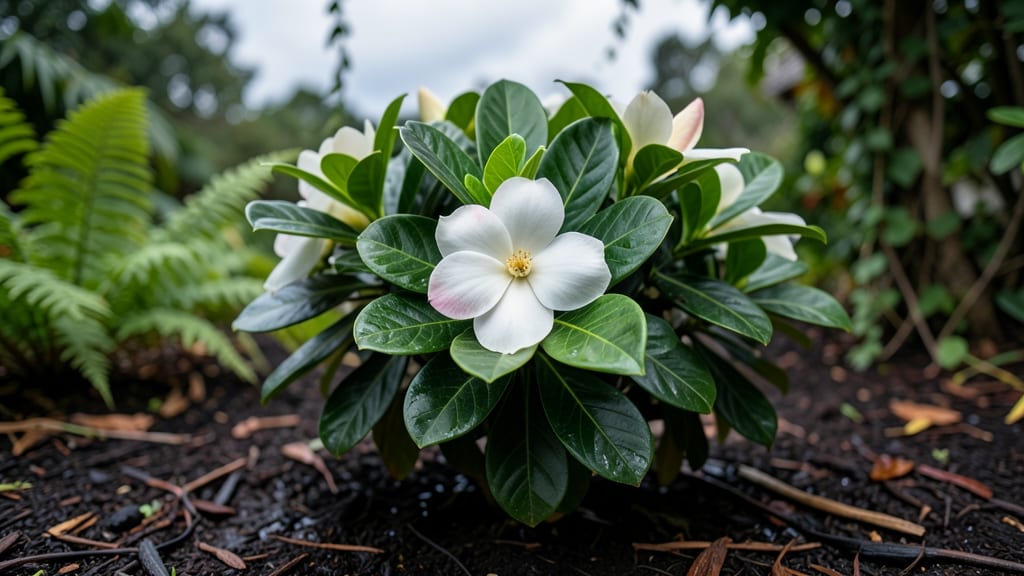
Gardenias bloom in late spring through summer, typically from May to July, though timing varies by climate—warmer regions may see flowers as early as April or extend blooms into early fall. Proper sunlight and humidity levels accelerate flowering.
Gardenias are famously sensitive to seasonal cues, with their blooming cycle directly tied to daylight length and temperature shifts. 🌸 In cooler climates like Zone 7, you'll often see buds form in late May after consistent 60°F+ temperatures arrive, while tropical areas in Zone 10 may start as early as March when warmth persists year-round.
The key trigger is 12+ hours of daylight, which signals the plant to transition from vegetative growth to flowering—this explains why northern gardeners sometimes miss the first flush of blooms if spring arrives late.
What many gardeners don't realize is that gardenias actually begin forming flower buds in late winter, long before you see any color. These buds are incredibly delicate and require 60-70% humidity to develop properly—dry air in spring can cause buds to drop before opening.
I've found that misting plants in the morning and using a pebble tray under pots during dry spells can make a dramatic difference in bloom quantity. The fragrance alone makes the effort worthwhile!
💡 In This Article
- Gardenias Bloom Cycle: How Light and Temperature Trigger Flowers
- Extending Gardenia Blooms: Pruning and Care Tips for Year-Round Flowers
Gardenias bloom cycle: how light and temperature trigger flowers
Gardenias bloom because they're photoperiod-sensitive plants, meaning their flowering is triggered by changes in daylight length rather than just temperature alone. As daylight stretches beyond 12 hours in late spring, the plant's internal clock shifts from vegetative growth to reproductive mode.
This process is controlled by a hormone called florigen, which is produced in response to specific light conditions. In cooler climates like USDA Zone 7, this typically happens around late May when average temperatures consistently reach 60°F during the day.
The relationship between temperature and blooming is equally critical. Gardenias need daytime highs of 70-85°F to thrive, but nights must cool to 55-65°F for proper bud development. Too much heat stress above 90°F can cause buds to drop, while temperatures below 50°F trigger dormancy.
This explains why tropical gardenias in Zone 10 often bloom year-round—they experience minimal temperature fluctuations. The fragrance intensity also peaks during these optimal temperature ranges, making the blooms most aromatic when conditions are just right. 🌸
Climate zones dramatically affect bloom timing. In Zone 8, gardenias typically begin budding in early May with peak blooms in June-July, while Zone 10 gardenias may start as early as March and continue through November.
The key difference is winter behavior: gardenias in cooler zones enter dormancy, while tropical varieties remain active. This dormancy period is crucial—it allows the plant to recharge for the next bloom cycle, similar to how deciduous trees prepare for spring growth.
What most gardeners overlook is the role of nighttime temperatures in maintaining blooms. While daytime warmth stimulates growth, cooler nights are essential for preventing bud drop. In humid climates, this temperature balance is easier to maintain, but in arid regions, you may need to provide afternoon shade during summer months.
The plant's natural defense mechanism against heat stress is to drop buds before they open, which is why consistent care becomes vital during peak summer months.
Interestingly, gardenias can be coaxed into earlier blooming by providing supplemental light during short winter days. Using a grow light for 14-16 hours daily can trick the plant into thinking spring has arrived, though this requires careful monitoring to avoid overstimulating the plant.
The science behind this involves manipulating the plant's circadian rhythms—its internal biological clock that regulates growth patterns. This technique is particularly useful for indoor gardenias or those in regions with unpredictable springs. 💫
Consider these key factors when predicting bloom times in your region:
- Daylight hours: Needs 12+ hours of daylight to trigger flowering
- Temperature range: Optimal 70-85°F days with 55-65°F nights
- Humidity levels: Requires 60-70% for bud development
- Climate zone: Zones 8-10 bloom earlier than Zones 6-7
The most reliable way to extend your gardenia's bloom season is to provide consistent moisture and protection from extreme temperatures. In cooler climates, planting near a south-facing wall can create a microclimate that adds 5-10°F of warmth, potentially pushing blooms to start a week earlier.
This microclimate effect works because the wall absorbs and radiates heat during the day while retaining warmth at night—similar to how greenhouses operate on a smaller scale. 🌿