
Blooming
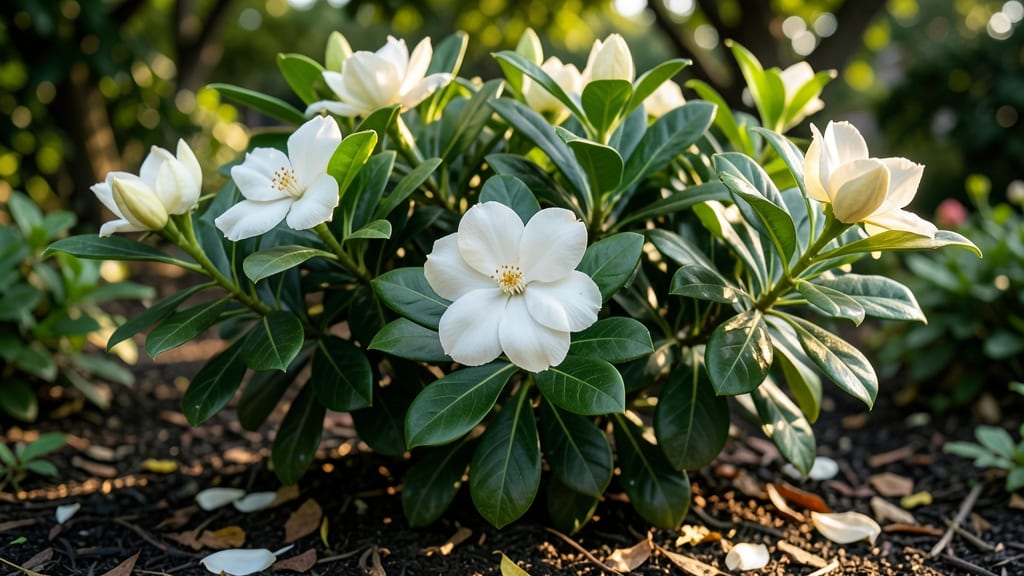
Your gardenia’s flowering season depends on where you live and how you care for it—typically June through September in temperate zones, but year-round in the tropics.
If you’ve ever admired a gardenia’s intoxicating fragrance and velvety blooms only to wonder why yours refuses to flower, you’re not alone—timing and care are everything. The right conditions can turn a sparse shrub into a fragrant showstopper.
From light levels to pruning tricks, small adjustments make a big difference. I’ll walk you through the month-by-month bloom timeline, regional variations, and the key habits that trigger lush, repeat blooms.
Ready to transform your gardenia into a perennial bloomer? Let’s dive into the science—and secrets—behind its flowering season.
Gardenia flowering season: month-by-month timeline and climate dependencies
Gardenia flowering seasons vary dramatically depending on your climate zone, but most gardenias thrive when they experience warm temperatures, high humidity, and long daylight hours.
In tropical regions, gardenias can bloom year-round, while temperate climates typically see spring-to-fall flowering. Understanding these patterns helps you anticipate and encourage vibrant blooms.
The key to gardenia blooms lies in temperature triggers. Most varieties need daytime highs between 70-85°F (21-29°C) and nighttime lows above 60°F (15°C) to set flower buds.
Humidity below 50% often causes buds to drop, while consistent moisture keeps plants healthy. Let’s break down the month-by-month timeline for different climates.
| Climate Zone | Primary Blooming Months | Temperature Range (°F) | Daylight Needs | Humidity Needs |
|---|---|---|---|---|
| Tropical (e.g., Florida, Hawaii, Southeast Asia) | Year-round (peaks spring-fall) | 75-90°F (24-32°C) | 12+ hours | 70-90% |
| Subtropical (e.g., Southern California, Australia’s Gold Coast) | March–October | 65-85°F (18-29°C) | 10-12 hours | 60-80% |
| Temperate (e.g., USDA Zones 7-9, UK, Southern Europe) | May–September | 60-80°F (15-27°C) | 8-10 hours | 50-70% |
| Cool Temperate (e.g., UK, Northern Europe, USDA Zone 6) | June–August (if hardy varieties) | 55-75°F (13-24°C) | 6-8 hours | 50-65% |
In tropical climates, gardenias like Gardenia jasminoides bloom continuously, with peak production in spring and fall. The consistent warmth and high humidity create ideal conditions. For example, in Florida or Hawaii, you’ll see blooms year-round, but they’ll be most abundant when temperatures hover around 78-82°F (25-28°C).
Subtropical regions, such as Southern California or Australia’s Gold Coast, experience extended blooming seasons from March to October. These areas benefit from mild winters and long daylight hours, which stimulate flower production.
If you live in these zones, prune lightly in late winter to encourage new growth and more blooms.
Temperate climates, like those in the southeastern US or UK, see spring-to-fall flowering, typically from May to September. The longer daylight hours of summer trigger blooming, but cool nights below 60°F (15°C) can cause buds to drop.
To protect your gardenias, mulch heavily in fall to maintain soil warmth and water consistently to prevent stress.
For cooler temperate zones (e.g., USDA Zone 6 or Northern Europe), only hardy varieties like ‘Kleim’s Hardy’ will bloom, and only during June to August. These plants need protected locations, like south-facing walls, to accumulate enough warmth.
If you’re in these regions, plant in containers for easier winter relocation to garages or sheds.
Daylight length plays a crucial role in gardenia flowering. Most varieties are short-day plants, meaning they bloom when daylight shortens in late summer and fall. However, tropical gardenias are exceptions—they bloom year-round because their consistent 12-hour daylight triggers continuous flowering.
To encourage blooms in temperate zones, supplement with grow lights in early spring to simulate longer days.
Humidity is another critical factor. Gardenias hate dry air, which causes buds to drop. In low-humidity areas (e.g., desert climates or indoor settings), use a humidifier or mist leaves daily. For outdoor plants, group them with other foliage plants to create a microclimate with higher humidity.
In tropical regions, natural humidity keeps plants thriving, but avoid waterlogging, as soggy soil leads to root rot.
To maximize blooms, prune after flowering in late fall or winter. This removes spent blooms and encourages new growth that will flower the following season. In temperate climates, prune in February or March before new growth begins.
For tropical gardenias, light pruning can be done year-round to maintain shape and promote air circulation, reducing disease risk.
If your gardenias aren’t blooming, check these three common culprits: inadequate sunlight, poor soil pH, or over-fertilizing with nitrogen. Gardenias need acidic soil (pH 5.0-6.5
How to trigger gardenia blooms: pruning, light, and fertilizer secrets
Gardenia plants are famous for their heavily fragrant blooms, but many gardeners struggle to get them to flower reliably. The key lies in understanding their light needs, pruning schedule, and nutrient requirements.
Unlike some plants, gardenias need precise conditions to trigger their flowering season, which typically runs from late spring to summer in temperate zones.
Even if your gardenia has lush green leaves, it may skip flowering due to overpruning, poor soil pH, or inconsistent fertilization. I’ve seen gardenias go from sparse blooms to abundant white flowers in just one season by adjusting these three factors.
Let’s dive into the exact steps to maximize your gardenia’s potential.
⚠️ Common Mistake Alert: Wrong Pruning Timing
Never prune gardenias after mid-summer—this removes next year’s flower buds! Prune right after flowering (late summer/early fall) to encourage new growth for next season’s blooms. Over-pruning also stresses the plant, reducing its ability to produce flowers.
Start with light exposure, as gardenias thrive in bright, indirect sunlight. Place them near an east-facing window or in a spot with 4-6 hours of morning sun and afternoon shade.
Too much direct sun can scorch leaves, while too little light leads to fewer blooms. If your gardenia isn’t flowering, check its location—partial shade is non-negotiable for consistent blooms.
Next, focus on soil pH and fertilization. Gardenias demand acidic soil (pH 5.0-6.5). Test your soil and amend with peat moss or sulfur if needed. Feed your plant with a balanced fertilizer (10-10-10) every 4-6 weeks during spring and summer.
Organic options like fish emulsion or compost work well, but avoid high-nitrogen fertilizers—they promote leaves over flowers.
Pruning is another game-changer. Use clean, sharp shears to trim back overgrown branches by one-third after flowering. Remove dead or yellowing leaves to improve airflow and reduce disease risk. Avoid heavy pruning in winter or early spring, as this can delay or prevent flowering.
Finally, monitor your gardenia’s watering habits. While they love moisture, waterlogging causes root rot and stress. Water deeply every 3-5 days in warm months, ensuring the soil stays evenly moist but not soggy.
In cooler seasons, reduce watering to once a week. Consistent moisture helps maintain the energy needed for bud formation.
With these adjustments, your gardenia should reward you with show-stopping blooms during its prime flowering season. Patience is key—some gardenias take 2-3 years to fully mature and flower abundantly, but the effort is worth it for that divine fragrance! 🌸