
Plants
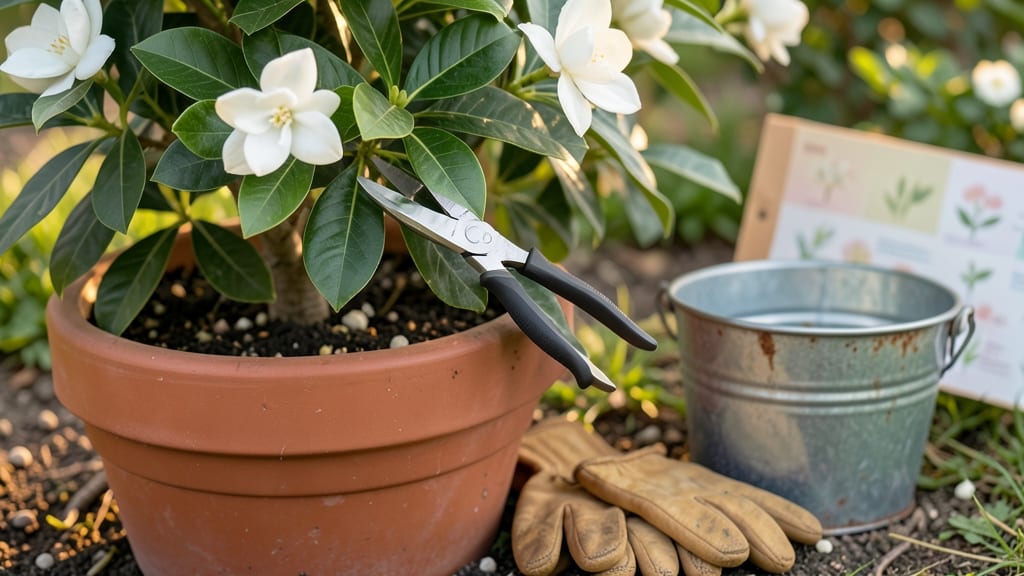
Pruning gardenia plants in late winter unlocks their potential for more blooms and healthier growth 🌸 — the timing is everything.
If you’ve ever pruned your gardenias only to see fewer flowers or leggy branches, you’re not alone. The key is cutting after the last frost, when the plant is still dormant but ready to burst into new life.
This late-winter window (just before spring growth kicks in) is when gardenias reward you with vibrant, fragrant blooms.
Why does timing matter so much? Gardenias bloom on new wood, meaning pruning too early can remove next year’s flower buds. Too late, and you risk stunting growth or inviting pests.
I’ll walk you through the exact steps, from identifying the right branches to cut to shaping your plant for maximum airflow and sunlight.
You’ll also learn how to avoid common mistakes like over-pruning or cutting into old wood, plus post-pruning care tips to keep your gardenias thriving. Let’s get those blooms back in full force!
Optimal late winter pruning window for gardenia blooms
If you've ever wondered when to prune gardenia plants for the most abundant blooms, the answer lies in understanding their natural growth cycle. Gardenias enter a dormancy phase after their spring flowering, making late winter the perfect time to prune.
This timing aligns with their biological clock, encouraging vigorous new growth and more flowers in the following season.
Pruning during dormancy—typically between February and early March in most U.S. climates—allows you to remove dead or weak branches without disrupting the plant's energy reserves. This is especially critical for gardenias, which produce flowers on new wood rather than old growth.
By pruning at the right time, you're essentially giving your plant a fresh start for the upcoming growing season.
The ideal timing also depends on your USDA hardiness zone. In cooler zones like Zone 6-8, aim for late winter just before new growth begins.
For warmer zones like Zone 9-10, late fall to early winter works best, as gardenias in these areas may have a more extended dormant period.
Here's a quick reference to help you determine the best time to prune based on your location and climate:
To identify when your gardenia is truly dormant, look for these key signs: leaf drop, reduced growth, and the absence of new flower buds. In cooler climates, you'll notice a complete standstill in growth, while warmer climates may show a slower but continuous cycle.
Pruning too early can stimulate unwanted growth, while waiting too long may remove potential flowering stems.
Another critical factor is temperature consistency. Gardenias thrive when pruned during stable, mild temperatures. Avoid pruning during unpredictable weather shifts or extreme cold snaps, as these can stress the plant.
In most regions, late winter offers the perfect balance of cooler temperatures and increasing daylight, signaling the plant to wake up from dormancy.
One common mistake is pruning gardenias after they've already bloomed in spring. While this won't kill the plant, it removes potential flowering wood for the next season. Always prioritize late winter pruning to maximize your gardenia's blooming potential.
This timing ensures you're cutting back old, spent growth while preserving the framework for new, vibrant flowers.
For gardeners in transition zones (like Zone 8), pay close attention to local frost dates. If you're near the northern edge of Zone 8, follow the Zone 6-8 guidelines.
Conversely, if you're closer to the southern edge, align with the Zone 9-10 schedule. Local microclimates can also influence dormancy timing, so observe your specific gardenia's behavior each year.
Remember that gardenias are sensitive to pruning timing. Cutting at the wrong time can lead to reduced blooms, stunted growth, or even plant stress. By mastering the late winter window, you'll unlock your gardenia's full potential, rewarding you with lush foliage and fragrant blooms all season long. 🌸
Step-by-step gardenia pruning guide for maximum blooms
Pruning your gardenia plants correctly is the key to unlocking their full blooming potential. These fragrant shrubs thrive when you remove dead, crossing, or overcrowded branches, but timing and technique make all the difference.
I’ve pruned gardenias for years, and I’ve learned that the right approach—like making 45-degree cuts with sterilized tools—can double your flower production. Let’s dive into the exact steps to shape your gardenia for healthier growth and stunning blooms.
Before you grab your pruners, it’s critical to understand that gardenias bloom on new wood, meaning you should never cut into old, woody stems. The goal is to encourage fresh, vibrant growth while maintaining the plant’s natural shape.
Start by identifying three types of branches to remove: dead or diseased wood, branches that cross or rub against each other, and any that grow inward, blocking sunlight and airflow. This step-by-step guide will walk you through the process with precision.
Step-by-Step Gardenia Pruning Guide
- 1 Choose the right time: Prune in late winter (just before new growth starts) or early spring after the last frost in your zone. This timing ensures you’re not cutting into dormant buds that could become next year’s flowers.
- 2 Sterilize your tools: Use rubbing alcohol or a bleach solution to clean pruners and shears. This prevents spreading bacterial or fungal diseases to your healthy gardenia branches.
- 3 Remove dead or diseased wood: Start by cutting out any brown, brittle, or blackened branches. Make cuts 1/4 inch above a bud or where the branch meets the main stem to encourage new growth.
- 4 Thin out crossing branches: Look for branches that rub against each other or grow inward. Remove the weaker of the two to improve air circulation and reduce disease risk.
- 5 Shape for sunlight exposure: Aim to create an open, rounded shape by cutting back overgrown branches by 1/3 of their length. This allows sunlight to penetrate the center, encouraging more blooms.
- 6 Avoid cutting into old wood: Never prune back to bare, woody stems without any buds. Gardenias bloom on new growth, so always leave at least 3-4 buds on each branch you trim.
One of the most common mistakes I see is over-pruning, which can shock the plant and reduce flowering. Never remove more than 1/3 of the plant’s foliage in a single session. Another pitfall is using dull tools, which can tear branches and invite infections.
Always make clean cuts at a 45-degree angle, about 1/8 inch above a bud, to promote faster healing and new growth.
After pruning, your gardenia will need extra care to recover. Focus on watering deeply (1-2 gallons per plant) and applying a balanced fertilizer high in phosphorus to encourage blooming. Mulch around the base to retain moisture and protect roots, especially in hot climates.
With the right aftercare, your gardenia will reward you with abundant, fragrant blooms all season long.