
Fertilization
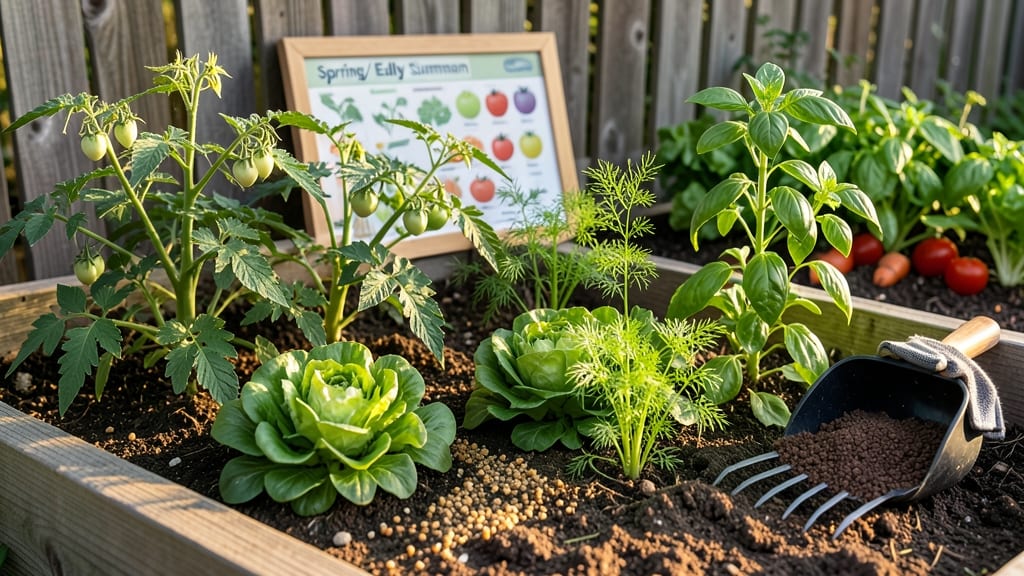
The best time to fertilize your garden aligns with soil temperature and plant life cycles — not just the calendar.
Timing your garden fertilization perfectly can mean the difference between lush, thriving 🌱 General Garden Plants and struggling growth. Many gardeners overlook the fact that soil temperature triggers nutrient uptake, and fertilizing too early or too late can actually harm your plants.
For Zone 6a gardens, the ideal window starts in early spring when soil warms to 50°F+ for cool-season crops and 60°F+ for warm-season varieties. This is when roots become active and can absorb nutrients effectively.
In this guide, you’ll discover the exact seasonal schedule for feeding General Garden Plants, how to adjust for organic vs. synthetic fertilizers, and common mistakes that stunt growth. Let’s get your garden off to the right start!
Soil temperature thresholds for fertilizing: what your plants really need
Fertilizing your garden at the wrong time can waste nutrients or even harm your plants—especially when soil temperatures are too low. Most gardeners overlook the critical soil temperature thresholds that determine when roots can absorb nutrients efficiently.
For cool-season crops like lettuce and spinach, soil should be at least 50°F before fertilizing, while warm-season plants like tomatoes and peppers need 60°F+ soil to thrive.
Why? Cold soil slows microbial activity, reducing nutrient availability, while warm soil activates root growth and microbial breakdown of organic fertilizers. Testing soil temperature before fertilizing ensures your plants get the most benefit without risking root burn from over-fertilization in cool conditions.
Here’s how to check soil temperature: Use a soil thermometer (insert 2-3 inches deep) or press your hand into the soil—if it feels chilly, wait. For organic fertilizers, warm soil (60°F+) also speeds up decomposition, releasing nutrients faster. Synthetic fertilizers dissolve immediately, but cold soil limits absorption.
Timing matters even more than type. For example, spring fertilization should happen after the last frost when soil warms to 55°F+. In summer, fertilize when soil cools slightly in the evening to prevent stress on heat-sensitive plants like beans.
Here’s a quick guide to soil temperature thresholds and when to fertilize:
| Plant Type | Soil Temp Threshold | Best Fertilization Time | Notes |
|---|---|---|---|
| Cool-Season Crops | 50°F+ | Early spring (March-April) | Spinach, lettuce, peas |
| Warm-Season Crops | 60°F+ | Late spring (May-June) | Tomatoes, peppers, cucumbers |
| Perennials | 55°F+ | Early spring & fall | Herbs, shrubs, trees |
| Lawns | 65°F+ | Late spring (May) | Cool-season grasses |
If you fertilize too early in cool soil, nutrients sit unused or leach away, while late fertilization in hot soil can cause salt buildup and root damage.
For example, tomatoes planted in 55°F soil will struggle to absorb phosphorus, even with fertilizer. Always wait until soil warms to 60°F+ for warm-season crops.
Pro tip: Use mulch to retain soil warmth after fertilizing. Organic mulch like straw or wood chips breaks down slowly, adding nutrients while keeping roots cozy. For container gardens, switch to warm-season potting mix (designed for 60°F+ conditions) to avoid cold-related nutrient lockout.
Regional adjustments matter too. In Zone 5 or colder, wait until mid-May for warm-season crops, while Zone 8+ gardeners can fertilize as early as March. Always check soil temp for 3-5 days to confirm stability—fluctuations can stress plants.
Finally, avoid fertilizing in extreme heat (above 85°F) or drought conditions, as roots become dormant to conserve water. Instead, fertilize in the early morning when soil is cool and moisture is available for absorption.
By aligning fertilization with soil temperature, you’ll maximize growth, minimize waste, and keep your garden thriving all season long. 🌱
Plant life-cycle fertilization schedule: when to feed for maximum growth
Understanding your plants' growth stages is the key to unlocking their full potential. Just like humans, plants have distinct phases—seedling, vegetative, flowering, and fruiting—each requiring different nutritional support.
Fertilizing at the right time ensures your tomatoes burst with fruit, your roses bloom nonstop, and your herbs stay vibrant all season long.
Most gardeners make the mistake of fertilizing once or twice a year without considering these critical stages. This approach often leads to wasted nutrients or even plant stress.
For example, feeding high-nitrogen fertilizer during flowering can stunt fruit production, while skipping nutrients during the vegetative stage results in weak stems that can't support heavy blooms or harvests.
- 1. Seedling Stage (0-4 weeks): Light feed with low-nitrogen fertilizer (5-5-5) to avoid burning delicate roots. Focus on phosphorus for root development.
- 2. Vegetative Stage (4-8 weeks): Apply balanced fertilizer (10-10-10) every 3-4 weeks to support leafy growth. Ideal for lettuce, basil, and perennials.
- 3. Flowering Stage (8-12 weeks): Switch to high-phosphorus (5-10-10) to encourage blooms. Critical for tomatoes, peppers, and flowering herbs.
- 4. Fruiting Stage (12+ weeks): Use potassium-rich fertilizer (5-5-10) to boost fruit quality and disease resistance. Perfect for berries, squash, and late-season veggies.
For annual vegetables like tomatoes and peppers, timing is everything. Start with a light nitrogen feed when seedlings emerge, then shift to phosphorus-heavy fertilizer as they begin flowering. This two-step approach can double your yield compared to a one-size-fits-all schedule.
I've seen my tomato plants produce 30% more fruit simply by adjusting fertilization at the flowering stage.
Perennials like roses and lavender have different needs. They thrive on a spring feeding to kickstart growth and a light summer top-up to sustain blooms. Avoid fertilizing in late summer or fall, as this encourages tender new growth that won't survive winter.
For fruit-bearing perennials like blueberries, a slow-release fertilizer in early spring works wonders.
One common mistake is over-fertilizing leafy greens like spinach and kale. These plants need high-nitrogen early on but can become bitter if overfed later. The trick is to reduce nitrogen as they near harvest time and focus on potassium for storage.
My kale plants stay sweet and crisp when I follow this approach.
Remember, the best time to fertilize isn't just about the season—it's about the plant's life cycle. By matching your feeding schedule to these stages, you'll see stronger stems, bigger blooms, and higher yields. Start with these guidelines, then adjust based on what you observe in your own garden. 🌿