
Fertilization
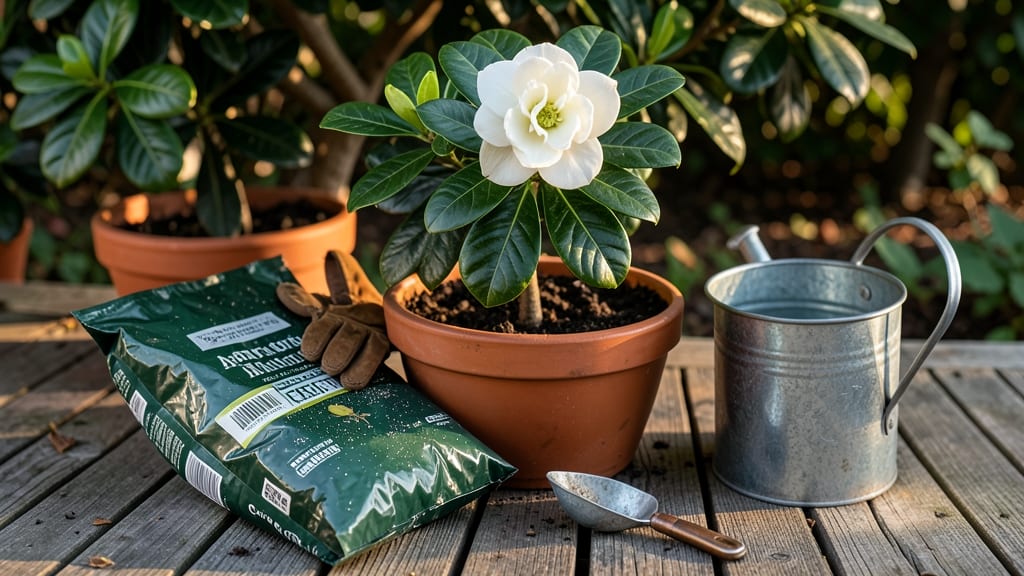
To fertilize gardenias in Florida, time it with their blooming cycle—spring through early fall—when they crave nutrients most 🌸.
Florida’s humid climate and long growing season make gardenias thrive—but timing your fertilization wrong can stunt blooms or stress your plants. Master the perfect schedule to unlock vibrant, fragrant flowers year-round.
Most gardeners skip fertilizing in winter, when growth slows, but a light feeding in early spring kickstarts blooms for May through September. The key? Acid-loving fertilizers and avoiding overfeeding during Florida’s wet summers.
Below, I break down the exact months to feed, how to spot nutrient deficiencies, and the best organic vs. synthetic options for your 9a-11 zone gardenias.
Florida gardenia fertilization schedule by month for peak blooms
Florida’s warm climate creates perfect conditions for gardenias to bloom year-round, but their fertilization needs shift dramatically with the seasons. Unlike northern plants that slow down in winter, your Florida gardenia stays active, requiring precise timing to avoid nutrient burn or bloom failure.
The key is balancing spring growth, summer maintenance, and fall prep—while accounting for Florida’s unpredictable rain patterns.
Most gardeners make the mistake of fertilizing too heavily in summer, which stresses plants during Florida’s intense humidity. Instead, we’ll use a light-heavy-light approach: heavy feeding in early spring and fall, with minimal touch-ups during summer’s peak heat.
Organic options like peat-based fertilizers or composted pine bark work best here, as they mimic Florida’s natural acidic soils.
| Month | Fertilizer Type | Frequency | Key Focus | Notes |
|---|---|---|---|---|
| January | Light organic (6-6-6) | Every 6 weeks | Root recovery | Avoid synthetic; use compost tea |
| February | Slow-release (8-3-9) | Every 4 weeks | New growth | Work into top 2" of soil |
| March | Balanced (10-10-10) | Every 3 weeks | Bloom prep | Apply after rain |
| April | High-phosphorus (7-9-5) | Every 4 weeks | Flower buds | Early morning application |
| May | Light organic | Every 6 weeks | Maintenance | Reduce if heavy rain |
| June | None (or foliar feed) | Skip | Heat protection | Use fish emulsion spray |
| July | Light organic | Every 8 weeks | Minimal support | Post-hurricane check |
| August | Slow-release | Every 6 weeks | Late blooms | Avoid synthetic salts |
| September | Balanced (10-10-10) | Every 4 weeks | Fall growth | Pair with mulch |
Signs your Florida gardenia needs fertilizer (and when to avoid it)Your Florida gardenia may be silently screaming for nutrients—or begging you to stop fertilizing. Yellow leaves or sparse blooms are classic hunger signs, but brown leaf edges scream overfeeding. Florida’s humid climate and heavy rainfall can mask nutrient deficiencies, making it tricky to diagnose. Before reaching for fertilizer, check your gardenia’s leaf color and growth pattern. Pale green leaves often mean nitrogen deficiency, while purple-tinged stems signal phosphorus starvation. But if you see crispy brown edges, you’ve likely overdone it—especially if you fertilized during Florida’s rainy season. ⚠️ When NOT to Fertilize Your Florida Gardenia
Florida’s wet summers dilute fertilizer faster—halve doses during June–August. Timing matters just as much as fertilizer type. Spring (March–April) is prime time to feed, as your gardenia gears up for blooming. But if you notice buds dropping or leaves curling, you’re likely over-fertilizing—especially with high-nitrogen products. Pay attention to bloom frequency too. A healthy gardenia should produce 3–5 blooms per season. Fewer than 2 blooms? It’s starving. More than 6 blooms without rest? It’s exhausted—cut back on feeding and prune lightly to encourage balanced growth. For organic gardeners, mix composted pine bark into the soil annually—Florida’s sandy soil drains too fast for synthetic fertilizers alone. Slow-release pellets work best in dry seasons (October–May), while liquid feeds are safer for wet months (June–September). Pro tip: Test your soil every 2–3 years. Florida’s acidic soil (pH 5.0–6.0) is ideal, but lime buildup from rain can raise pH—adding sulfur or peat moss helps maintain acidity. Healthy soil = fewer fertilizers needed. |