
Fertilization
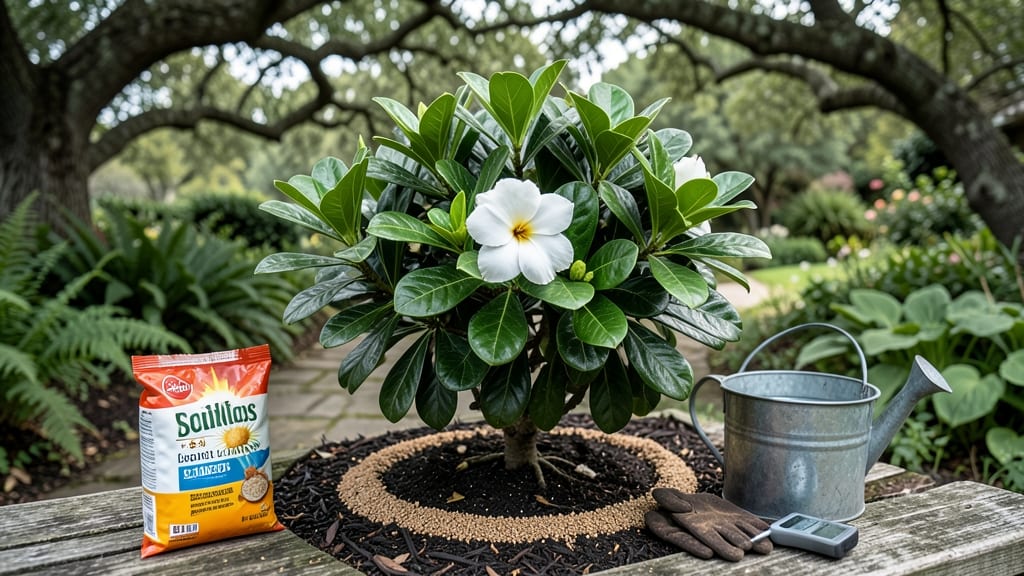
Fertilizing gardenias at the right times—spring and mid-summer—is the key to those fragrant, show-stopping blooms you’ve been dreaming of 🌸.
Struggling to keep your gardenias blooming as beautifully as they did last year? The secret might be as simple as fertilizing at the right times—yet many gardeners miss the optimal windows, leading to weak growth or sparse flowers.
In USDA Zone 6 and warmer regions, gardenias need a light feeding in late spring (after the last frost) to kickstart growth, followed by a stronger dose in early summer to support blooming. Skip fall and winter—overfeeding then can damage roots before dormancy.
Below, I’ll break down the exact schedule, the best fertilizer types for acid-loving gardenias, and how to spot when you’re overdoing it. Your gardenias will thank you with bold, fragrant blooms all season.
Best times to fertilize gardenias for maximum blooms: spring vs. mid-summer schedule
If your gardenias aren't producing the fragrant blooms they once did, timing might be the missing piece. These acid-loving shrubs thrive when fed during two key windows: early spring and mid-summer. These periods align with their natural growth cycles, ensuring root development and flower production peak simultaneously.
Skipping either window can lead to stunted growth or fewer blooms—so let's dive into why these timings matter and how to execute them perfectly.
Spring fertilization kickstarts new growth after winter dormancy, while mid-summer feeding supports bloom development as temperatures rise. The science behind this is simple: root activity ramps up in spring, absorbing nutrients to fuel foliage, while summer's warmth triggers flower buds to form.
Missing either window disrupts this delicate balance, leaving your gardenias nutrient-deficient or stressed. Let’s break down the optimal schedule and how to adapt it for your climate zone.
For spring fertilization, aim to feed your gardenias 4-6 weeks after the last frost when new shoots emerge. This timing ensures roots are active but not overwhelmed by cold temperatures.
Use a balanced fertilizer with equal parts nitrogen, phosphorus, and potassium (e.g., 10-10-10) to promote leafy growth without encouraging excessive foliage at the expense of flowers. Apply fertilizer in the early morning to avoid burning tender roots in afternoon heat.
Mid-summer is your second critical window, typically late July to early August, when gardenias shift focus from growth to flower production. Here, a slightly higher phosphorus content (like 12-4-8) encourages bud formation.
Avoid fertilizing in late summer (August-September) as this can stimulate new growth that won’t harden off before winter, making plants vulnerable to frost damage. Instead, let your gardenias rest and store energy for next year’s blooms.
Regional adjustments are key: In warmer climates (Zones 9-10), extend mid-summer feeding into early September to support prolonged blooming. Conversely, in cooler zones (6-8), finish feeding by mid-August to prevent late-season growth.
Always water deeply before and after applying fertilizer to help nutrients reach roots and reduce burn risk.
One common mistake is over-fertilizing in spring, which can lead to leafy but flowerless growth. To avoid this, start with half the recommended dose and monitor your plant’s response. If you notice dark green, rubbery leaves, cut back on nitrogen.
Conversely, yellowing leaves or slow growth signal a need for more nutrients—adjust your schedule accordingly. Mulching with acidic compost between feedings also helps maintain soil acidity (pH 5.0-6.5), which gardenias crave.
Pro tip: Pair fertilization with pruning for best results. Prune lightly in late winter to shape your gardenia, then feed immediately after new growth appears. This two-step process ensures your plant directs energy toward both structure and blooms.
For container-grown gardenias, reduce fertilizer amounts by 25-30% since potted plants have limited root space and absorb nutrients faster.
By sticking to this spring and mid-summer schedule, you’ll reward your gardenias with healthier roots, vibrant foliage, and a prolonged bloom season. The key is consistency—don’t skip either window, and always adapt based on your local climate.
With the right timing, your gardenias will thank you with perfumed, abundant flowers all season long. 🌸
How to choose the right fertilizer for gardenias: acid-loving plant nutrient guide
Gardenias thrive when fed with the right nutrients, but their acid-loving nature means not all fertilizers work. I’ve learned the hard way—using the wrong formula can burn roots or stunt blooms.
The key is selecting a fertilizer with a balanced NPK ratio (like 10-10-10 or 12-4-8) and ensuring it’s acid-based to match their soil needs.
Organic options like composted pine bark or fish emulsion gently feed gardenias, while synthetic granules provide quick results. Both have pros and cons, and your choice depends on your gardening style and the plant’s current health. Let’s break down the best choices to keep your gardenias lush and blooming.
Organic Fertilizers for Gardenias
- Slow-release nutrients
- Improves soil structure
- Safe for long-term use
- Requires frequent applications
- Can attract pests if overused
- Slower results
Synthetic Fertilizers for Gardenias
- Fast nutrient delivery
- Precise NPK control
- Easy to apply
- Risk of over-fertilizing
- Can alter soil pH if not acid-based
- No soil health benefits
For organic options, I recommend cottonseed meal or peanut hull fertilizer, both of which lower soil pH while feeding. These are especially useful if your gardenias show signs of chlorosis (yellowing leaves). Synthetic fertilizers like Miracle-Gro Azalea, Camellia, and Rhododendron are formulated for acid-lovers and provide immediate results.
Avoid fertilizers with high phosphorus (like 5-10-5) unless you’re preparing for blooming season, as too much can lead to leaf burn. Always water thoroughly after applying fertilizer to prevent root damage.
I’ve found that early morning feeding gives the plant time to absorb nutrients before the heat of the day.
One common mistake I see is over-fertilizing in late summer or fall, which encourages new growth that won’t harden off before winter. Gardenias need a 6-8 week break before the first frost to prepare for dormancy. If you’re unsure, start with a half-dose of fertilizer and monitor your plant’s response.
Remember, the goal is consistent, gentle feeding—not a quick fix. Your gardenias will reward you with fragrant blooms all season long if you match their needs with the right fertilizer and timing. Happy gardening! 🌸