
Fertilization
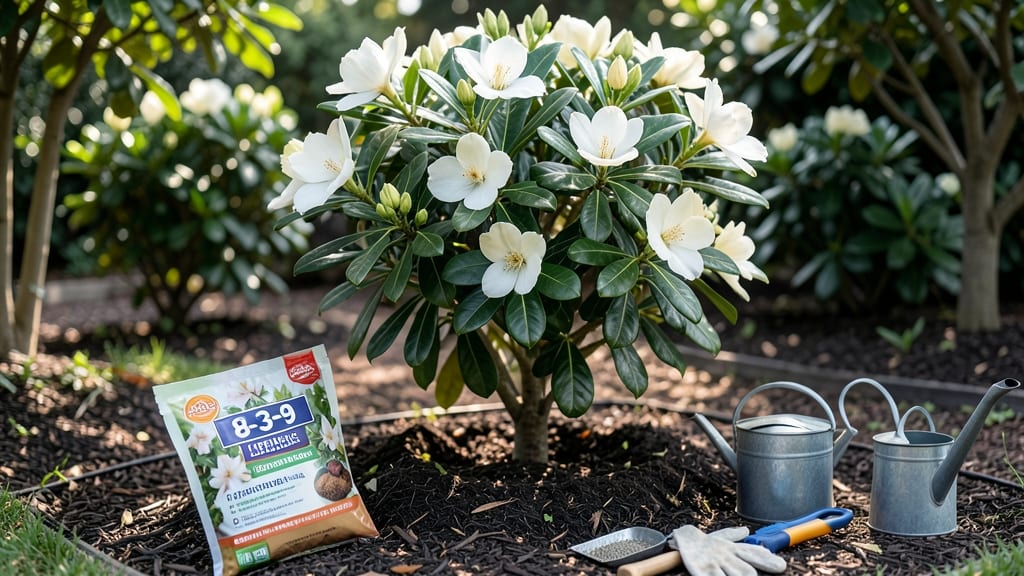
Fertilizing gardenias in Georgia at the right time—early spring and late summer—sets the stage for those fragrant, glossy blooms that make every yard feel like a tropical escape.
But here’s the catch: Georgia’s humid summers and fast-draining soils can turn even the best intentions into a guessing game. Too early, and you’ll fuel leafy growth over flowers. Too late, and your gardenias might miss their peak blooming window entirely.
This guide breaks down the perfect timing for your gardenias in 7b-8b zones, the best fertilizers for Georgia’s acidic soil, and how to avoid common mistakes that leave your 🌸 looking lackluster.
By the end, you’ll know exactly when to feed, what to feed with, and how to keep your gardenias thriving—without overdoing it in the heat.
Best fertilization schedule for Georgia gardenias: spring & fall timing explained
Georgia’s humid summers and mild winters create perfect conditions for gardenias—but only if you fertilize at the right times. Unlike many plants, gardenias thrive on seasonal feeding, with two critical windows: early spring and late fall.
Skipping these can leave your shrubs struggling, while overdoing it risks nutrient burn in Georgia’s heat.
Most gardeners make the mistake of fertilizing too late in spring or too early in fall, which stresses the plant. The key is aligning your feeding schedule with your gardenia’s natural growth cycles.
In Georgia’s USDA zones 7b-8b, this means starting in March (after last frost) and finishing by October—never after the first frost in November.
| Season | Best Time to Fertilize | Frequency | Fertilizer Type | Georgia-Specific Notes |
|---|---|---|---|---|
| Early Spring | March 15-April 15 | Every 4-6 weeks | Acidic slow-release (6-6-6 or 8-4-4) | Start after last frost; avoid if soil is waterlogged from spring rains. |
| Late Spring | May-June | Every 6-8 weeks | Light applications of liquid acid fertilizer | Reduce feeding in June to prevent heat stress; water deeply before applying. |
| Fall | October (before frost) | None (dormancy prep) | N/A | Avoid fall feeding; focus on mulching to protect roots from winter chill. |
| Winter | November-February | None | N/A | Plant is dormant; resume feeding in March after buds appear. |
Georgia’s clay-heavy soils in many regions drain poorly, which can dilute fertilizer nutrients. To combat this, I always amend the soil with organic matter like pine bark fines or compost before the first feeding. This improves drainage while maintaining the acidic pH gardenias crave (aim for 5.0–6.0).
Timing your first spring feeding right is critical. Look for new growth (typically late March) as your cue—this signals the plant is ready to absorb nutrients. In coastal Georgia, where humidity is higher, I start fertilizing 2 weeks earlier (early March) to account for slower soil warming.
During Georgia’s summer heat, gardenias enter a semi-dormant state. This is why I switch to light feedings in June and July, using half the recommended dose. Over-fertilizing now can cause leaf scorch or bloom failure, especially in the Piedmont region where temperatures exceed 90°F.
Fall fertilization is a common mistake—many gardeners feed in September or October, thinking it’ll boost next year’s blooms. But gardenias need dormancy time to harden off. By October 1st, stop all feedings and focus on mulching with 2–3 inches of pine straw to insulate roots.
Pro tip: If your gardenia’s leaves turn yellow between veins after fertilizing, it’s a sign of iron chlorosis—common in Georgia’s alkaline soils. Switch to a chelated iron supplement and retest your soil’s pH. The ideal acidic environment is non-negotiable for these tropical-looking shrubs.
For container-grown gardenias, the schedule shifts slightly. Since pots dry out faster, I fertilize every 3–4 weeks from March to September, but always water thoroughly first to prevent root burn. Georgia’s summer downpours can leach nutrients quickly, so containers need extra attention.
Remember, gardenias reward patience. A well-timed feeding in spring and a dormant fall will give you fragrant blooms from June through September—just in time for Georgia’s humid evenings
How to choose the right fertilizer for Georgia gardenias: acid-loving plant essentials
Georgia gardenias thrive when you match their acid-loving nature with the right fertilizer. These fragrant shrubs demand specific pH levels (5.0–6.0) and nutrient ratios to produce those show-stopping white blooms. Choosing between organic and synthetic fertilizers depends on your gardening goals and soil conditions.
For Georgia’s humid climate, synthetic fertilizers like azalea/camellia blends (6-6-6 or 8-4-4 NPK) offer quick nutrient delivery, perfect for spring growth spurts. Organic options such as composted pine bark or fish emulsion provide long-term benefits while improving soil structure.
| Fertilizer Type | Best NPK Ratio | pH Adjustment | Application Frequency |
|---|---|---|---|
| Synthetic (Azalea/Camellia) | 6-6-6 or 8-4-4 | Neutral (use with sulfur if needed) | Every 4-6 weeks (spring-fall) |
| Organic (Compost/Pine Bark) | Balanced (3-4-4) | Acidifying (lower pH naturally) | Every 6-8 weeks (spring) |
| Slow-Release Granules | 10-10-10 (acid-coated) | Neutral (check pH first) | Once in early spring |
Georgia’s clay-heavy soils often need amendments to maintain acidity. Test your soil with a home pH kit—if it’s above 6.0, mix in sulfur or peat moss before fertilizing. For established plants, top-dress with compost annually to replenish organic matter.
Avoid high-nitrogen fertilizers like lawn foods (30-0-4), which promote leafy growth at the expense of blooms. Instead, opt for low-nitrogen, high-phosphorus blends to encourage flowering. In Georgia’s hot summers, reduce feeding to prevent nutrient burn—stick to light applications every 6 weeks.
For container gardenias, use water-soluble fertilizers diluted to half-strength. These plants dry out faster, so flushing roots with water monthly prevents salt buildup. Pair fertilization with morning watering to help nutrients absorb efficiently.
Remember: Less is more with gardenias. Over-fertilizing leads to yellow leaves or stunted blooms. Start with a small dose, monitor plant response, and adjust based on Georgia’s seasonal changes—your gardenias will reward you with fragrant blooms all summer! 🌸