
Picking
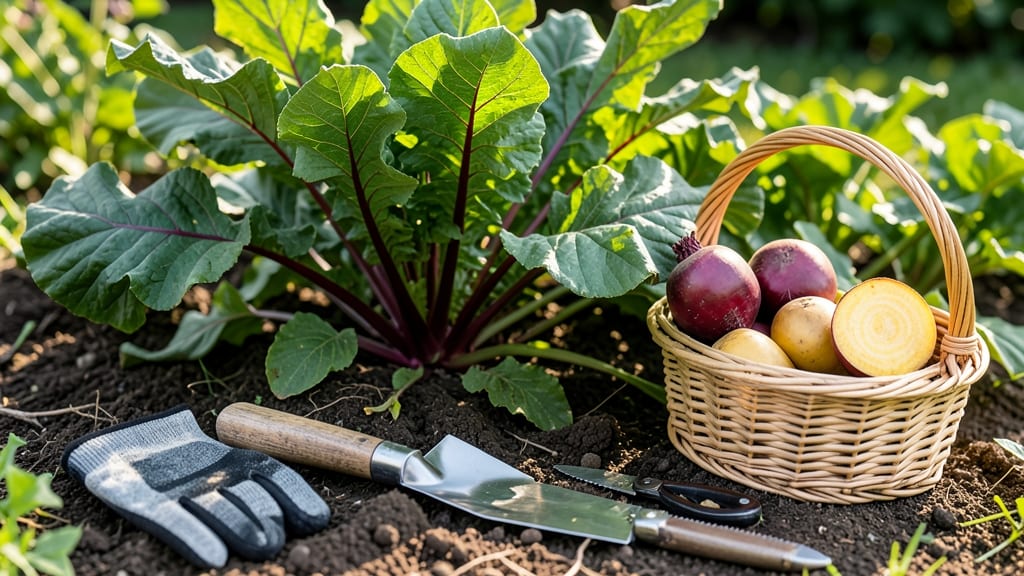
Harvesting beets from your garden at the right time ensures they’re sweet, tender, and packed with flavor—so you’ll never dig up a tough, woody mess again.
Picture this: you’re pulling a deep red beet from the soil, and the first bite reveals that perfect balance of earthy and sweet. That’s the reward when you time it just right. But miss the window, and you’re left with baby-sized roots or bitter, overgrown giants.
Beets planted in spring (March–May) are ready for harvest when roots reach 1–3 inches in diameter—about 50–70 days after sowing. Fall plantings (August–September) follow the same size rule but aim for a harvest before the first frost in October.
Below, I’ll break down the exact size cues, soil checks, and seasonal tricks to guarantee your beets taste their best—no guesswork involved.


How to determine beet root size for harvesting (with exact measurements)
Harvesting beets at the right size makes all the difference in taste and texture. Baby beets are tender and sweet when harvested small, while mature beets develop deeper flavors but can become woody if left too long.
The key is checking both root diameter and leaf health—here’s how to get it right every time.
Start by understanding your beet variety. Baby beets (like 'Baby Kita' or 'Little Ball') are perfect when roots reach 1–2 inches wide, while standard varieties (like 'Detroit Dark Red' or 'Golden') shine at 2–3 inches.
Use your fingers as a quick guide: wrap your thumb and index finger around the root—if it fits snugly, it’s ready for baby beets; if it’s thicker than your pinky, mature beets are ideal.
Visual cues matter just as much as size. Look for deep, consistent color—whether red, gold, or striped—and vibrant green leaves that are 4–6 inches tall.
If leaves start yellowing or wilting, you’ve waited too long, and the beet may develop a tough center. Harvest before this happens for the best texture and sweetness.
Here’s a quick reference for ideal harvest sizes by variety, including finger-width tests and color cues:
For baby beets, I recommend harvesting when roots are 1 inch wide—this ensures maximum tenderness. Use a small hand fork to gently loosen soil around the root, then pull carefully to avoid damaging the beet.
If the soil is dry or hard, water it lightly the day before harvesting for easier extraction.
Mature beets need a little more patience.
Aim for 2–3 inches in diameter, but don’t wait until they’re larger—beyond 3 inches, the center can become tough and fibrous. Golden beets are especially sweet when harvested at 2.5 inches, while red varieties develop their signature deep color at 3 inches.
Pro tip: Harvest in the morning when temperatures are cooler. This preserves the beet’s crispness and sweetness. After pulling, brush off excess soil and store in a cool, dark place (like a root cellar or fridge) for up to 2 weeks.
For long-term storage, cure beets by leaving them in the sun for a few hours to toughen the skin before storing.
If you’re growing beets for storage over winter, harvest before the first frost. Beets are frost-tolerant but become woody if left in cold soil. Fall-planted beets can even sweeten after a light frost, so time your harvest just before temperatures drop below 20°F.
One common mistake? Overestimating size. A 3-inch beet might look small, but it’s actually perfect for roasting or pickling. Under-harvested beets (too small) lack flavor, while over-harvested beets (too large) turn tough. Strike the balance, and you’ll enjoy beets at their peak every time!
Soil and seasonal tricks to harvest beets at peak flavor
Timing your beet harvest based on soil conditions and seasonal cues makes all the difference between sweet, tender roots and tough, woody messes. Beets thrive in cool weather, but even the best varieties can turn bitter or fibrous if left too long in the ground.
The key? Pay attention to moisture levels and temperature shifts—both directly impact flavor and texture.
Spring-planted beets should be harvested when soil temperatures stay consistently between 50°F and 70°F. If nights dip below 40°F, your beets may develop a bitter taste, even if they’re the right size.
For fall plantings, aim to harvest before the first hard frost (around October 15 in Zone 6a), as frost can turn roots mushy and ruin storage potential.
⚠️ Critical Harvest Warning
Overwatered soil at harvest time causes beets to split or crack, ruining their shape and sweetness. Always check soil moisture 24 hours before digging—it should feel damp but not soggy. If your garden bed is waterlogged, wait until the top 2 inches of soil dry out slightly.
Pro Tip: Harvest in the morning after dew has dried. Cooler temps preserve sweetness, and roots are firmer for storage.
For maximum sweetness, harvest beets when their foliage reaches 4-6 inches tall—this usually aligns with 1-3 inch diameter roots. If you’re growing storage varieties like Detroit Dark Red, let them mature slightly larger (up to 3.5 inches) for better long-term keeping.
But watch for yellowing leaves—a sign the beet is past its prime and developing a tough center.
Seasonal timing also affects storage life. Beets harvested in early fall (September) store better than those pulled in late summer because cooler temps slow down spoilage.
Cure your harvest by leaving roots in the garden for 2-3 hours post-harvest—this toughens the skin, extending shelf life to 3-4 months in a cool, dark place.
If you’re in a hot climate, prioritize harvest speed—beets bolt (go to seed) faster in heat, and their flavor declines. Mulch with straw or grass clippings to keep soil cool and even out moisture.
For northern gardeners, extend the season by planting a second crop in July—these beets will mature just in time for fall harvests before winter sets in.
Don’t ignore the color clue: Vibrant, deep hues (red, gold, or striped) signal peak sweetness. Pale or patchy colors mean the beet needs more time—or it’s been stressed by drought or heat.
And if the tops start wilting, grab your trowel immediately: Beets left too long in the soil develop woodiness and lose their signature earthy-sweet flavor.