
Picking
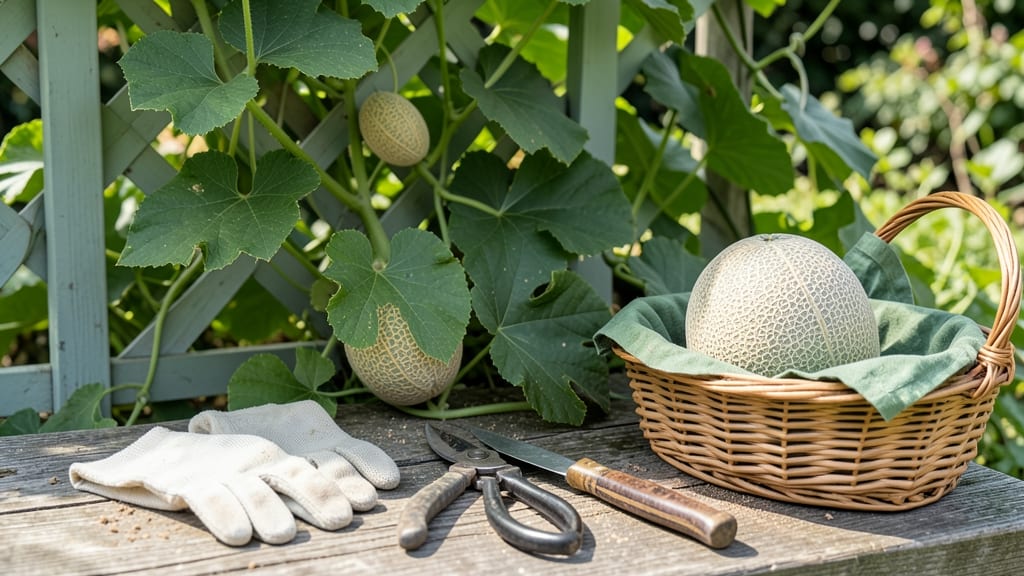
To pick cantaloupe from your garden at the perfect moment means capturing that burst of sweetness and creamy texture that turns a simple slice into a summer highlight.
Picking too early means bland, hard fruit — and too late? You’re left with mushy, seedy disappointment. The difference between a flavorful harvest and a wasted effort often comes down to knowing those subtle cues most gardeners miss.
I’ve spent years watching cantaloupes 🍈 transform from green to golden, and the secret isn’t just waiting for color. It’s about the three simple checks that tell you the moment is now—before the fruit slips past its prime.
Here’s how to spot ripe cantaloupe every time, avoid the most common mistakes, and keep your harvest at peak sweetness for weeks.


How to identify cantaloupe ripeness using 3 key visual and physical checks
Nothing beats the sweet, juicy reward of a perfectly ripe cantaloupe straight from your garden. But here's the catch: harvest too early, and you'll get bland, hard fruit. Wait too long, and you risk mushy overripeness.
The secret lies in mastering these three foolproof indicators—color, scent, and stem separation—that tell you exactly when to pick cantaloupes for maximum flavor and texture.
I've learned the hard way that relying on days-to-maturity estimates alone can lead to disappointment. Instead, these visual and physical checks work every time, regardless of your growing conditions.
Whether you're a first-time gardener or a seasoned pro, these techniques will help you avoid the most common mistakes that ruin cantaloupe harvests.
Pro Tip: Always check all three indicators together. A cantaloupe might pass one test but fail another, so don't harvest until they all align. This simple routine has saved me from countless disappointing harvests over the years.
| Check Type | Underripe (Not Ready) | Perfectly Ripe (Ready) | Overripe (Past Prime) |
|---|---|---|---|
| Color |
🟢 Greenish or dull
Net pattern faint
|
🟡 Creamy yellow/tan
Net pattern prominent
Ground spot turns tan
|
🟤 Yellow-orange
Net pattern faded
Ground spot darkens
|
| Scent |
No sweet aroma
Neutral smell
|
🌿 Strong sweet fragrance
Like cantaloupe candy
At stem end
|
🍯 Fermented sweetness
Overpowering smell
|
| Stem Test |
🤲 Stem holds firm
No separation
|
✅ Stem slips easily
Separates with gentle twist
|
💥 Stem detaches easily
May already fall off
|
| Thump Test |
⚖️ Solid, firm feel
No give when pressed
|
🤲 Slightly soft near stem
Gives under gentle pressure
|
💦 Mushy or hollow sound
Overly soft texture
|
Ground Spot: The area where the cantaloupe rests on the vine
Let's start with the color check, which is often the first indicator gardeners notice. The rind should transition from green to a creamy yellow or tan color. Pay special attention to the net pattern—it should become more pronounced as the fruit ripens.
One spot you might miss is the ground spot (where the cantaloupe touches the soil), which should turn from white to tan when ripe.
The scent test is my favorite because it's the most reliable indicator of sweetness. A ripe cantaloupe will release a strong, sweet aroma near the stem end—almost like cantaloupe candy. If you can't smell it from a few inches away, the fruit likely needs more time.
I always perform this test in the morning when temperatures are cooler, as heat can sometimes mask the scent.
Here's where many gardeners make their biggest mistake: over-relying on the thump test. While a ripe cantaloupe should feel slightly soft when pressed near the stem (like a ripe avocado), it shouldn't feel mushy or hollow.
The key is to press gently—think of it as checking for a slight give rather than firmness. I've seen too many people harvest cantaloupes that were either rock-hard or already overripe because they didn't perform this test correctly.
Lastly, the stem separation test is the ultimate confirmation. When you're ready to harvest, grasp the stem near the fruit and give it a gentle twist. If it separates easily with just a little pressure, your cantaloupe is ready.
This test tells you the fruit has fully matured and is at peak sweetness. I always do this test last because it's destructive—once you harvest, you can't put the fruit back on the vine!
Remember these common mistakes that can lead to disappointing harvests: picking based on size alone, ignoring the ground spot color, or harvesting when only one or two indicators are met. The best cantaloupes come from waiting until all three checks align perfectly.
Trust me, the extra few days waiting for that perfect combination of color, scent, and stem separation makes all the difference in flavor.
Once you master these three checks, you'll never second-guess your cantaloupe harvest again. The satisfaction of biting into a perfectly ripe, sweet cantaloupe—knowing you picked it at just the right moment—is unmatched. Now grab your gardening gloves and head out to check those vines!
Cantaloupe ripeness by color: what the rind actually tells you
The rind color of cantaloupe is your first clue about ripeness, but it’s not as simple as "yellow = ripe." The cream-to-tan hues and net patterns tell a more detailed story about sweetness and maturity.
Understanding these visual cues helps you avoid underripe fruit that’s bland or overripe melons that turn mushy. Let’s break down what each shade and pattern means for your harvest.
In most commercial varieties, a creamy yellow or tan rind signals peak ripeness. However, some heirloom types may develop greenish undertones even when ripe, so always check other cues.
The net pattern (those raised, web-like ridges) also darkens as the fruit matures—this is a good sign, but don’t rely on it alone. Regional growing conditions can shift these colors slightly, with cooler climates often producing lighter hues.
| Rind Color | Net Pattern | Ripeness Stage | Sweetness Level |
|---|---|---|---|
| Dull green | Pale or absent | Unripe | Bland |
| Creamy yellow | Light tan, visible | Perfectly ripe | Sweet, juicy |
| Tan with brown spots | Darkened, rough | Overripe | Fermented, mushy |
A white or pale yellow rind with a faint net pattern means your cantaloupe needs more time on the vine. These fruits often taste milder and lack the deep sweetness of fully mature melons.
In contrast, a deep tan or beige rind with a pronounced net is a classic sign of ripeness. However, if the rind starts showing brown patches or feels soft to the touch, it’s past its prime and may spoil quickly.
Southern gardeners often see darker rinds due to higher heat, while northern climates may produce lighter-colored fruit. If you’re growing cantaloupes in a cooler region, look for the cream hue combined with the sweet scent at the stem end—this combo is more reliable than color alone.
Always pair visual checks with the thump test or stem twist for confirmation.
Pro tip: Morning sunlight enhances rind colors, so harvest in the early morning when hues are most vibrant. If your cantaloupe’s rind looks ripe but the fruit feels too firm, leave it another day—the sweetness will peak soon.
Overripe cantaloupes with wrinkled rinds can still be used in smoothies, but they lose their prized texture and flavor.
Remember, color alone isn’t enough—always combine it with the scent test (a strong, sweet aroma at the stem) and the physical checks (gentle pressure near the stem should yield slightly). Mastering these cues ensures you’ll always harvest cantaloupes at their sweetest, juiciest moment—no more bland or mushy surprises! 🍈