
Picking
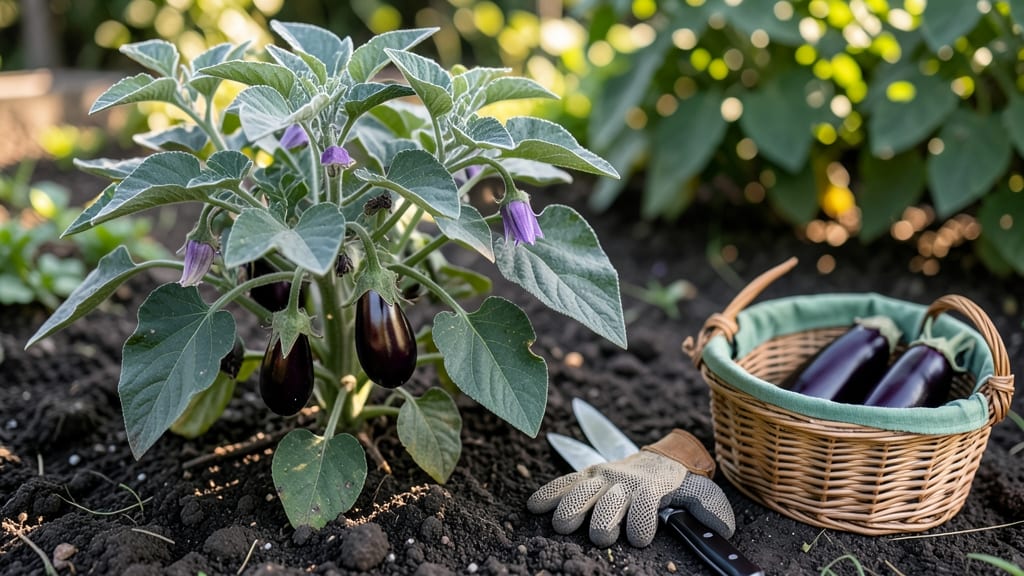
To pick eggplant from your garden at the perfect moment means avoiding tough, bitter flesh or wasted effort—here’s how to tell when your plants are ready for the ideal harvest.
Picture this: you’ve nurtured your 🍆 plants all summer, and now they’re heavy with fruit. But how do you know when to snip? Waiting too long turns them mealy, while harvesting too soon leaves you with underdeveloped, seedy disappointment.
The key is in the texture, color, and even the stem’s behavior.
Most gardeners focus on size or color alone, but the real secret lies in three simple tactile tests. A ripe eggplant should yield slightly when pressed, have deep, consistent color, and a stem that snaps cleanly. These cues—paired with variety-specific tips—ensure you’re harvesting at peak flavor, not just guesswork.
In this guide, I’ll walk you through those three foolproof tests, common mistakes that ruin flavor, and how to store or use your harvest immediately for the best results. No more second-guessing at the kitchen table!
3 Tactile tests to determine eggplant ripeness before harvesting
Harvesting eggplant at the right moment transforms your garden bounty into a culinary masterpiece. Size alone won’t cut it—you need to check for glossy skin, firmness, and stem readiness.
These three tactile tests reveal when your eggplants are at their peak, ensuring sweet, tender flesh instead of bitter or seedy disappointments.
Many gardeners make the mistake of waiting too long, hoping for bigger fruit. But overripe eggplants develop tough seeds and bitter flavors. Conversely, picking too early means underdeveloped fruit with thin, watery flesh.
The key is learning to read your plant’s signals—and your fingers will do most of the talking.
🌱 3 Tactile Tests for Perfect Eggplant Ripeness
- 1
- 2
- 3
Let’s break down each test in detail. The color and gloss test is your first clue—deep, vibrant hues signal maturity. For example, a Black Beauty should be jet-black with a slight sheen, while Italian varieties like Rosa Bianca will turn a rich, creamy white.
A dull or uneven color means the fruit needs more time on the vine.
Next, the firmness test reveals the fruit’s internal readiness. When you press your fingers into the skin, it should yield slightly but spring back. Think of it like testing a ripe tomato—just enough give to know it’s ready.
If the skin dents or leaves an impression, the eggplant is overripe. Underripe fruit will feel wooden and unyielding, like a green apple.
The stem test is often the most reliable indicator because it checks the fruit’s connection to the plant. Eggplants are heavy, and a ripe one will naturally detach cleanly when the stem snaps.
This happens because the plant’s natural separation layer (called the abscission zone) activates. If the stem resists, the fruit isn’t ready—keep an eye on it for another day or two.
Pro tip: Perform these tests in the morning after watering. Eggplants absorb water like sponges, and their skin can feel firmer in the heat of the day. Testing in the morning ensures you’re getting an accurate read on their true ripeness.
Also, avoid testing in direct sunlight, as the heat can make the fruit feel softer than it actually is.
What about seed development? While you can’t see the seeds through the skin, their readiness is tied to these tactile cues. Overripe eggplants develop large, mature seeds that turn bitter.
By the time you notice visible seeds through the stem end, the fruit is likely past its prime. Trust the skin, firmness, and stem tests instead—they’re foolproof.
One common mistake is assuming all eggplants ripen at the same rate. Japanese eggplants, for example, mature faster and smaller than American varieties. Pay attention to your specific variety’s mature size.
A 6-inch Black Beauty is ready, while a 3-inch Fairy Tale might be perfect at half that length. Always cross-reference your tactile tests with the variety’s expected size.
Finally, remember that harvesting frequency encourages production. Once you pick one ripe eggplant, check the plant daily—you’ll often find 2-3 more ready within a week. This continuous harvest keeps your plants productive until the first frost.
And if you’re unsure? Pick it and taste it—eggplants are forgiving, and you can always use underripe ones in cooked dishes where texture isn’t critical.
With these three tests mastered, you’ll never second-guess your eggplant harvest again. Your garden will thank you with glossy, flavorful fruit that’s perfect for grilling, roasting, or stuffing. Happy harvesting! 🍆
Common mistakes that ruin eggplant flavor and how to avoid them
Harvesting eggplant too early or too late can turn your homegrown bounty into a flavorless disappointment. Underripe fruit stays tough and bitter, while overripe eggplants develop seedy, spongy flesh that falls apart. The key lies in understanding your variety's maturity and environmental cues.
Long, slender varieties like Ichiban or Tyrian mature faster (60-70 days) than round types like Black Beauty (80-90 days). Japanese eggplants, such as Rosa Bianca, often reach peak ripeness in just 50-60 days. Ignoring these timelines leads to missed flavor windows.
Temperature also plays a critical role. Eggplants grown in hot climates (90°F+) ripen faster than those in cooler regions. A sudden temperature drop can stall ripening, leaving fruit hanging too long on the vine. This is why late-season harvests often yield underripe produce.
🚨 callout-warning 🚨
Don't wait until your eggplant is overripe—this ruins texture and flavor. Here's the critical harvest window:
- 🟣 Color: Deep, consistent hue (no green patches)
- 🤏 Firmness: Yields slightly when pressed (like a ripe avocado)
- ✂️ Stem: Snaps cleanly when bent (not pulled)
⚠️ Warning: If left on the vine past this stage, eggplants develop bitter, seedy flesh and lose their signature mild sweetness.
Another common mistake is harvesting by size alone. A 6-inch eggplant might look perfect but still be underripe if its skin isn't glossy or color isn't deep. Always combine visual cues with the touch test—press gently with your thumb. If it springs back, it's not ready.
Environmental stress also affects ripeness. Drought conditions or nutrient deficiencies can cause eggplants to mature unevenly. If your plants show signs of yellowing leaves or stunted growth, prioritize consistent watering and balanced fertilization to ensure even ripening across all fruit.
For Japanese eggplant varieties, pay extra attention to skin texture. These types often develop a thin, delicate skin at peak ripeness. Harvesting too late can cause the skin to split or bruise easily, making them unsuitable for recipes requiring whole eggplants.
Finally, avoid the temptation to leave eggplants on the vine "just in case." Once they reach peak ripeness, their flavor declines rapidly. Use a sharp knife or pruners to cut the stem—never pull—so you don't damage the plant.
This ensures your eggplants stay glossy, firm, and flavorful for your favorite dishes.