
Picking
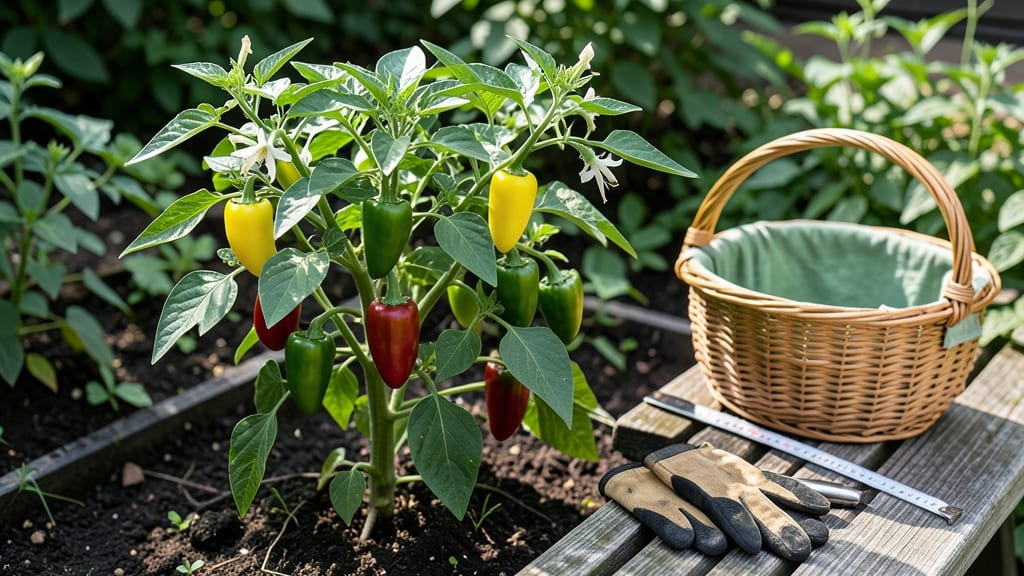
Knowing when to pick jalapeños from the garden means the difference between fiery, crisp peppers and bitter, overripe disappointments — and color is your best clue.
Ever snipped a pepper only to find it too mild or rubbery? You’re not alone. The moment a 🌶️ jalapeño shifts from deep green to reddish hues signals peak flavor and heat, but timing matters even more than you think.
In USDA Zone 6a, where spring planting starts in April, jalapeños typically reach harvest by July. But heat waves or cool spells can throw off ripening, so knowing the three key color stages helps you avoid wasted peppers.
Below, I’ll walk you through how to spot the perfect moment to harvest — plus how often to pick to keep your plants producing all season.


Jalapeño color-stage guide: when to harvest for maximum flavor and heat
Harvesting jalapeños at the right color stage transforms your garden into a spice powerhouse. The color progression from green to red isn’t just about aesthetics—it directly impacts heat levels, texture, and even culinary versatility.
Understanding these stages helps you decide whether to pick peppers for fresh salsas or dried seasonings.
Jalapeños start green and firm when immature, then deepen to dark green as they mature. If left on the plant, they’ll eventually turn red or brown, signaling peak sweetness and reduced heat. Each color transition offers unique flavors, so timing your harvest is key to maximizing your harvest’s potential.
| Stage | Color | Heat Level | Best For | Harvest Time |
|---|---|---|---|---|
| Immature | Light green | Mild (1,000-2,500 SHU) | Pickling, fresh salsas | 60-70 days |
| Mature Green | Dark green | Moderate (2,500-5,000 SHU) | Fresh dishes, grilling | 75-85 days |
| Ripe Red | Red/Brown | Low (1,000-2,500 SHU) | Drying, powders, sweet dishes | 90+ days |
The immature stage (light green) delivers the most heat intensity, making it perfect for spicy salsas or pickling. These peppers are typically 3-4 inches long and harvested around 60-70 days after planting. Their crisp texture and sharp kick make them ideal for quick cooking or preserving.
At the mature green stage, jalapeños develop a darker green hue and slightly thicker skin. This phase offers a balanced heat level (around 3,000-5,000 SHU) and is best for grilling or fresh salads.
Wait until they’re 3-5 inches long and feel firm to the touch—this ensures optimal flavor without bitterness.
For sweeter, milder peppers, let them ripen fully to red or brown. These ripe red jalapeños have the lowest heat (1,000-2,500 SHU) and are perfect for drying or making powders. Their softer texture works well in stews or blended sauces where heat isn’t the focus.
Regional climate differences can shift ripening timelines. In hotter climates, jalapeños may ripen faster, while cooler zones could delay color changes. Always check for firmness and glossy skin—these traits matter more than color alone for peak flavor.
Pro tip: Harvest regularly to encourage more production. Removing peppers prompts the plant to focus energy on new growth. Use clean pruning shears to avoid damaging stems, and store harvested peppers in a cool, dry place for up to 2 weeks.
If you’re growing jalapeños for drying, wait until they’re fully red. The longer drying process concentrates flavors, making them ideal for homemade seasoning blends. For fresh use, mature green peppers offer the best crunch and heat balance.
Watch for overripe signs like wrinkled skin or soft spots—these peppers lose flavor and become bitter. Timing your harvest based on color and size ensures you enjoy jalapeños at their prime, whether you’re preserving them or using them fresh.
3 Size and firmness tricks to confirm jalapeño ripeness before picking
Beyond the classic green-to-red color shift, jalapeños reveal ripeness through subtle size cues and firmness tests that guarantee peak flavor. I’ve learned the hard way that relying only on color can lead to either underripe peppers that lack heat or overripe ones that turn mealy.
Let’s focus on three foolproof tricks to ensure you harvest at the perfect moment.
First, length matters more than you might think. While jalapeños can vary slightly, the ideal harvest size range is between 3 to 5 inches. Smaller peppers (under 3 inches) often taste milder and less crisp, while those over 5 inches may start to lose their snap.
Use a ruler or your hand as a guide—most mature jalapeños should fit comfortably between your thumb and index finger when gently squeezed.
Use a ruler or hand span. Smaller = underripe; larger = risk of mealiness.
Skin should resist slight pressure but not feel rock-hard. Dents = overripe.
Gently bend the stem—it should snap cleanly. Tough stems = underripe.
The firmness test is my secret weapon for avoiding bitter peppers. Press your thumb gently against the pepper’s side—it should feel firm but not hard. If it leaves a dent or feels soft, it’s overripe.
Conversely, if it’s rock-hard, it’s likely underripe. Pro tip: The skin should also have a slight glossiness, not a dull or wrinkled appearance.
Don’t overlook the stem snap test, which tells you whether the pepper is ready to pick. Hold the pepper near the stem and give it a slight bend—it should snap cleanly at the base.
If the stem resists or tears, the pepper needs more time. This trick works especially well for container-grown jalapeños, where peppers can ripen unevenly due to limited space.
Timing your harvests right also encourages your plants to produce more peppers. I’ve found that picking every 5-7 days during peak season keeps the plants focused on fruit production. Overripe peppers not only taste worse but also signal the plant to slow down new growth.
By mastering these three tricks—length, firmness, and stem snap—you’ll consistently harvest jalapeños at their peak.
Remember, regional climate matters. In hotter zones (like USDA 9-10), jalapeños may ripen faster and need more frequent checks. In cooler areas (USDA 6-8), they’ll take longer to reach ideal size. Adjust your harvesting schedule accordingly to avoid missing the window.