
Picking
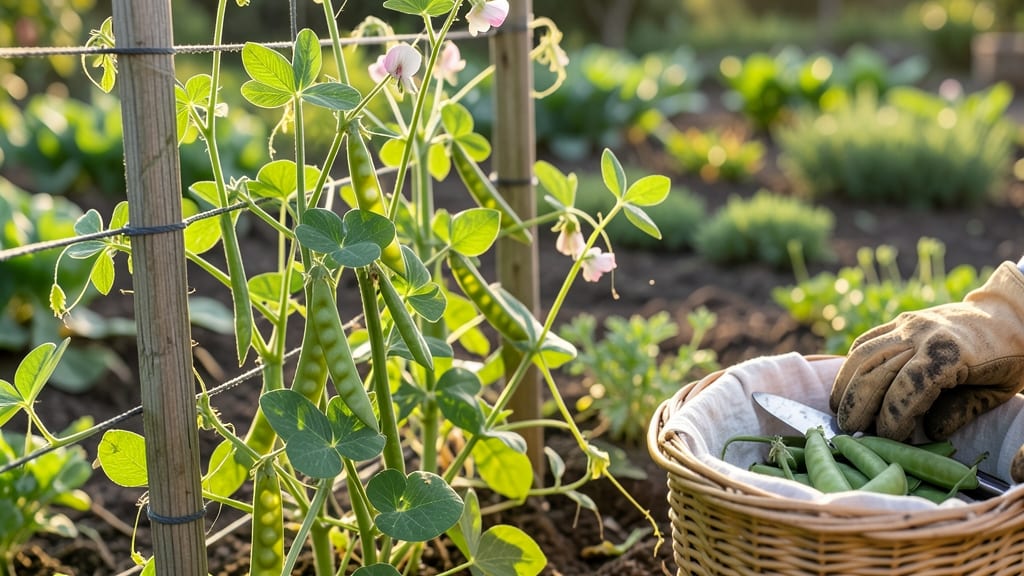
To pick peas from your garden at their sweetest, watch for pods that are 2-4 inches long and plump but still tender—this is the 60-70 day window after planting when flavor peaks.
Peas are one of the fastest-growing vegetables in your garden—but timing their harvest wrong means sacrificing sweetness and yield. Knowing the exact moment to pick peas transforms your harvest from bland to burstingly fresh, ensuring you enjoy the garden’s first sweet rewards.
Look for firm pods with a slight crispness when squeezed, where seeds are visible but not overly large. Overripe peas turn tough and wrinkled, while underripe ones stay small and mushy—both are easy mistakes to avoid with the right cues.
Below, I’ll break down the three critical stages of pea ripeness, how to test them for perfect flavor, and why harvesting at the right time keeps your plants producing for weeks.


The 3 critical stages to harvest peas for maximum sweetness
Peas are a gardener’s early reward—bursting with sweetness when harvested at the right time. But knowing when to pick peas from your garden isn’t just about waiting for them to grow. The difference between a delicious, tender pod and a woody, flavorless mess comes down to three critical stages.
Each stage offers a unique texture and taste, and missing the window can mean sacrificing both yield and quality.
I’ve learned the hard way that peas don’t stay sweet forever. In my first year growing them, I waited too long, and my once-promising harvest turned tough and mealy. Now, I check my peas daily and follow these three stages to ensure every pod is picked at peak perfection.
Let’s break down what to look for and why timing matters so much.
Here’s how to identify each stage—and why each one matters for your garden’s success:
Immature Pods (Too Early)
Pods are 1-2 inches long, thin-walled, and bright green. Seeds are tiny or invisible. While they’re edible, they lack sweetness and are often watery and bland. Harvesting too early wastes energy that could go toward more pods.
Optimal Ripeness (Peak Sweetness)
Pods are 2-4 inches long, firm but not hard, and a deep green color. Seeds are visible but not overly large. This is the sweetest, most tender stage—perfect for fresh eating, salads, or freezing. Snap peas should snap easily when bent.
Overripe Pods (Too Late)
Pods are dull green or yellowing, wrinkled or tough, and seeds are large and hard. The flavor turns starchy and bitter, and the texture is often woody or mealy. Overripe peas also signal the plant is slowing production.
Harvesting at the optimal ripeness stage isn’t just about flavor—it’s about encouraging your pea plants to keep producing. When you pick pods at the right time, the plant redirects energy to grow more flowers and new pods.
I’ve seen my pea yield double simply by harvesting consistently at this stage. For shelling peas, aim for pods that are fully plump but still tender.
For snap peas, the window is even narrower. These varieties are bred to be eaten whole, so they need to be harvested when the pods are crisp and just beginning to fill out.
If you wait too long, even snap peas can turn tough. I like to check my snap pea plants every other day during peak harvest season to catch them at their best.
One common mistake I see in gardens is waiting until pods look "big enough." But size isn’t the only factor—texture and color are just as important. A pod that’s 3 inches long but feels mushy or has a dull green hue is past its prime.
Always give the pod a gentle squeeze: it should yield slightly but not feel soft. If it feels like a rubber band, it’s time to harvest.
Regional differences can also affect timing. In cooler climates, peas mature faster due to shorter daylight hours, while warmer regions might see a slightly extended harvest window.
I’ve noticed my peas in Zone 6a reach optimal ripeness about 65-70 days after planting, but always adjust based on your local growing conditions. Pay attention to your plants—they’ll tell you when it’s time!
If you miss the optimal window, don’t despair. Overripe peas can still be used in soups or stews, where their texture softens during cooking. But for the best results, focus on harvesting at the peak sweetness stage. Trust me, your taste buds—and your pea plants—will thank you.
Pro tip: Use a small pair of sharp scissors or pruning shears to harvest peas. This prevents damaging the plant and makes the process faster. I keep a pair clipped to my gardening apron for quick harvests.
And always pick pods in the morning after dew has dried—this ensures they’re at their freshest.
How to test peas for perfect ripeness: a step-by-step guide
Testing pea ripeness is all about visual cues and physical checks. Unlike many vegetables, peas don’t ripen after picking—so timing is everything. The right moment delivers maximum sweetness and crisp texture, while waiting too long turns them mealy and tough.
I’ve learned the hard way that even a day too late can ruin your harvest!
Start by examining the pod size. For most varieties, the ideal length is between 2 to 4 inches. Shelling peas (like Sugar Snap or Wando) should be firm but not woody.
Snap peas, like Sugar Sprint, are best when slightly thicker and crisp. If pods feel soft or shriveled, they’ve passed their prime.
Next, check the pod color. Mature pods typically shift from bright green to a slightly duller green or even a faint yellowish tint. Avoid pods with dark spots or wrinkled skin, as these indicate overripeness.
A gentle squeeze should reveal a slight give—like pressing a ripe avocado—but not mushiness.
| Pea Variety | Pod Size | Texture Check | Sound Test | Harvest Frequency |
|---|---|---|---|---|
| Shelling Peas (e.g., Wando) | 2.5–4 inches | Firm, slight resistance | Crisp snap when bent | Every 2–3 days |
| Snap Peas (e.g., Sugar Snap) | 2–3 inches | Crisp, no give | Loud snap when broken | Every 3–4 days |
| Dwarf Peas (e.g., Little Marvel) | 1.5–2.5 inches | Slightly plump | Soft thud when squeezed | Every 4–5 days |
Don’t overlook the sound test. Hold a pod between your fingers and gently bend it. A crisp snap means it’s ready for snap peas, while shelling peas should emit a soft thud when squeezed.
If the pod cracks loudly or feels hollow, it’s overripe. Pro tip: Harvest in the morning when pods are cool and crispest.
Adjust your harvesting frequency based on the variety. Shelling peas produce continuously and need picking every 2–3 days to encourage more pods. Snap peas, however, are more delicate and should be harvested every 3–4 days.
If you miss the window, pods can dry out on the vine, reducing future yields. I once let my snap peas go for a week—they turned into brittle sticks!
Finally, pay attention to the plant’s signals. If peas stop producing new pods or flowers fade without setting fruit, it’s time to stop harvesting for that variety. Most peas are done by mid-summer, but some late varieties (like Oregon Sugar Pod) can extend into early fall.
Always check the seed packet for your variety’s specific timeline.
Mastering these tests ensures your peas stay sweet, crisp, and abundant all season. The key is consistency—check your plants daily during peak harvest time, and you’ll never miss the perfect moment again. Happy harvesting! 🌱