
Picking
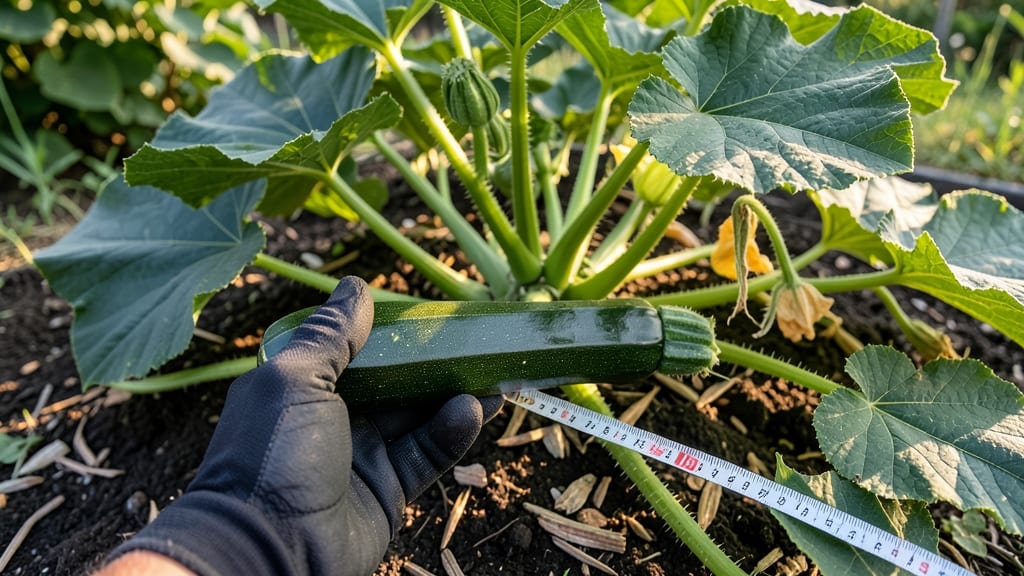
Picking zucchini from your garden at the right time means the difference between tender, flavorful squash and tough, seedy monsters 🎃 — and the key is knowing exactly when to reach for those pruners.
Zucchini plants can produce an overwhelming harvest in just weeks, so timing is everything. Miss the window, and you’ll end up with foot-long behemoths that are more suitable for carving than eating. But get it right, and you’ll enjoy a steady supply of sweet, young zucchini all summer long.
Below, I’ll break down the ideal size, texture, and color cues to harvest at peak ripeness, plus the best time of day to pick for maximum flavor.
You’ll also learn how often to check your plants and what to do if you’ve already missed the boat on a few overgrown ones.
Whether you’re a first-time gardener or a seasoned pro, these tips will help you turn your zucchini patch into a continuous harvest instead of a battle against giant squash.
The perfect zucchini size for harvesting: what to look for
Harvesting zucchini at the right size and ripeness transforms your garden into a flavorful feast instead of a rock-hard disappointment. Most gardeners wait too long, ending up with giant zucchini that are tough and seedy.
The ideal harvest window is when zucchini reach 3 to 6 inches in length—this ensures tender flesh and minimal seeds.
Beyond size, pay close attention to the skin texture and color consistency. A perfect zucchini should have smooth, firm skin that resists gentle pressure from your thumbnail.
If the skin gives slightly, it’s not ready yet. The color should be deep and even, typically a rich dark green—pale or mottled zucchini are underripe.
Here’s a quick visual guide to help you spot the perfect zucchini before it’s too late:
| Harvest Cue | Description | Action |
|---|---|---|
| Size | 3–6 inches long | Harvest immediately for best flavor |
| Skin Texture | Firm and slightly glossy | Press with thumbnail—if it doesn’t dent, it’s ready |
| Color | Deep, even dark green | Avoid pale or yellowing spots |
| Stem | Snaps cleanly when bent | Twist gently at the stem—it should break easily |
| Seed Development | Small and soft | Large seeds mean it’s past prime |
A common mistake is assuming bigger zucchini equals better. By the time your zucchini reach 8 inches or longer, they’ve already passed their peak. The flesh becomes woody and fibrous, and the seeds grow large and bitter-tasting.
Even if you love grilling giant zucchini, their nutritional quality and culinary versatility decline sharply after 6 inches.
Pro tip: Check your zucchini plants every 2–3 days during peak production. Morning is the best time to harvest because the cool temperatures help preserve freshness. Use a sharp knife or pruners to cut the zucchini from the vine, leaving a small stem stub to encourage more fruit to develop.
If you miss the window and end up with overgrown zucchini, don’t panic! These can still be used in recipes like bread, fritters, or pickles, but they’re far less versatile than their smaller counterparts.
The key is to stay consistent with harvesting—this signals your zucchini plant to keep producing rather than focusing all its energy on a single giant fruit.
One more visual trick: Hold the zucchini up to a white background (like a sheet or wall). If you can see through the skin to the seeds or flesh, it’s time to harvest. This simple test removes guesswork and ensures you’re always picking at the peak of ripeness.
Remember, the goal is continuous production, not one-off giant squash. By mastering these harvest cues, you’ll enjoy a steady supply of tender, flavorful zucchini all season long.
How often to check your zucchini plants for ready-to-harvest squash
Checking your zucchini plants every 2-3 days is the golden rule for avoiding overripe squash. When left unchecked, zucchini grows at lightning speed—sometimes adding 2 inches overnight! This frequent monitoring ensures you catch them at peak tenderness, right when they’re 6-8 inches long and still flavorful.
Morning is the best time of day to harvest because the cooler temps make squash firmer and easier to handle. Plus, picking early in the day gives you a fresh harvest for meals or sharing with neighbors.
I always grab my basket right after breakfast and check each plant systematically from top to bottom.
🚨 WARNING: Overripe Zucchini Ruins Everything 🚨
⚠️ Don’t Miss These Overripe Red Flags
- Size shock: Squash longer than 10 inches becomes tough and seedy (📏)
- Skin texture: Thick, leathery skin means it’s past prime (🤲)
- Seed development: Large, mature seeds turn the flesh bitter (🌱)
- Color changes: Yellowing or dulling signals overripeness (🌿)
Pro Tip:
Use a gentle thumb test: Press lightly—if the skin doesn’t spring back, it’s too late! 🤏
Even if you’re not ready to cook them all, harvesting regularly prevents stress on the plant. Overloaded vines produce fewer flowers, meaning fewer future zucchini. I’ve seen vines collapse under the weight of football-sized squash—don’t let that happen to yours!
For continuous production, focus on harvesting the largest zucchini first while leaving smaller ones to grow. This trick keeps your plants balanced and encourages new blooms. I mark my calendar with reminders every Tuesday and Friday to avoid slipping into a harvesting rut.
If you travel or get busy, set up a neighbor notification system. A quick text like “My zucchini plants need checking—can you grab a few?” often saves the day.
Or, hang a brightly colored tag on the plant as a visual reminder. The key is consistency—never let zucchini sit on the vine beyond 8 inches!
Remember, zucchini flavor peaks at 6-8 inches. The longer they wait, the more watery and bland they become. With this 2-3 times weekly routine, you’ll enjoy a steady supply of garden-fresh squash all summer long. Happy harvesting! 🎃