
Planting
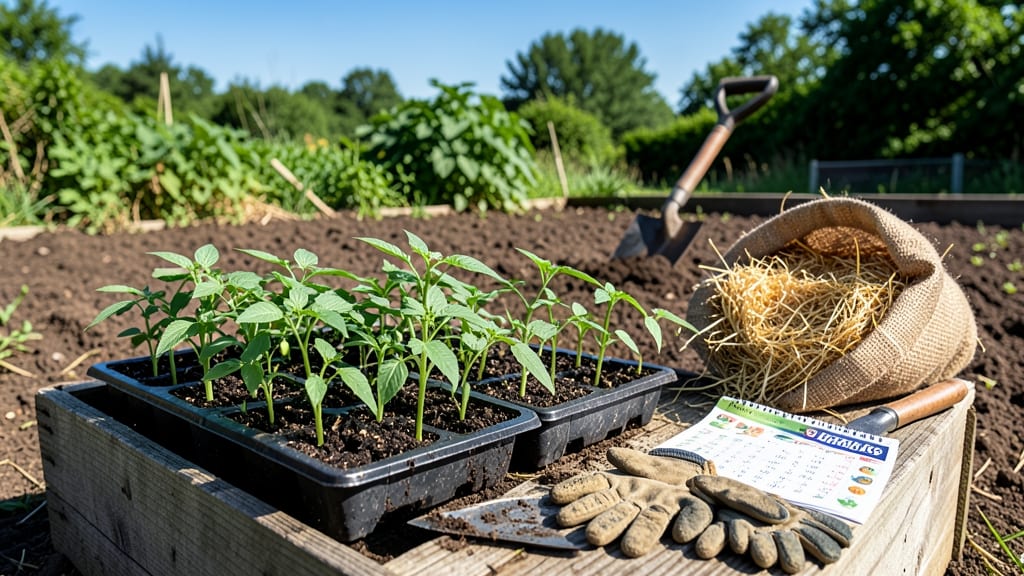
Planting a garden in Indiana at the right time means the difference between a bountiful harvest and a sad pile of wilted seedlings.
Indiana’s unpredictable spring weather can turn a gardener’s dream into a gamble—unless you know the exact frost-free dates for planting each crop. Timing is everything, and getting it wrong means wasted seeds or stunted plants.
Most Indiana gardeners in zones 5b-6a should wait until mid-April to early June for warm-season crops like tomatoes and peppers, while cool-season veggies like lettuce and spinach thrive when planted 4-6 weeks before the last frost—usually by late March or early April.
In this guide, I’ll break down the best planting windows by crop, regional frost variations, and pro tips to stretch Indiana’s growing season without risking frost damage.
Indiana’s frost-free dates by region: when to plant cool-season crops
Indiana’s cool-season crops like lettuce, spinach, and peas thrive when planted at the right time—before the last spring frost and after the first fall frost. But with 5 distinct climate zones in the state, timing varies dramatically.
Northern Indiana’s USDA Zone 5b can have frost until May 15, while the Southeast (Zone 6a) often sees its last frost by April 15. Getting this wrong means bolting lettuce or frozen seedlings.
To simplify, I’ve broken down Indiana’s frost-free dates by region and listed the ideal planting windows for your favorite cold-hardy vegetables. Whether you’re in Gary (Southeast) or South Bend (Northwest), these dates will help you avoid common mistakes like planting too early or missing the fall harvest window.
Pro Tip: Use row covers or cold frames to extend your growing season by 2-4 weeks in colder regions. Even a lightweight frost cloth can protect seedlings from unexpected late frosts.
Indiana Frost-Free Dates & Cool-Season Planting Guide
| Region | Last Frost Date | First Frost Date | Plant Lettuce | Plant Spinach | Plant Peas | Plant Broccoli |
|---|---|---|---|---|---|---|
| Northern Indiana (Zone 5b) | May 15 | October 10 | March 15 - April 15 | March 1 - April 10 | April 1 - May 1 | April 15 - May 10 |
| Northwest Indiana (Zone 5b-6a) | May 1 | October 15 | March 1 - April 10 | February 28 - March 31 | March 20 - April 15 | March 30 - April 20 |
| Central Indiana (Zone 6a) | April 25 | October 20 | February 28 - April 5 | February 15 - March 20 | March 1 - April 10 | March 15 - April 10 |
| Southeast Indiana (Zone 6a) | April 15 | October 25 | February 15 - March 31 | February 1 - March 15 | February 20 - March 25 | March 1 - March 25 |
| Southwest Indiana (Zone 6a-7a) | April 10 | October 30 | February 1 - March 20 | January 20 - February 15 | February 1 - March 15 | February 15 - March 15 |
*Dates are averages—always check local forecasts before planting!
For Northern Indiana, where frosts linger until mid-May, start spinach as early as late February under row covers or in a cold frame. In Southeast Indiana, you can even sow lettuce in late January for an early harvest.
The key is to plant 4-6 weeks before your last frost date—this gives seedlings time to establish roots before warmer weather arrives.
Don’t forget about fall planting! Many cool-season crops like kale and carrots can be sown as early as late July in Southwest Indiana (Zone 6a-7a) for a winter harvest.
In colder regions like Northern Indiana, wait until early August to avoid early frosts. Use mulch to protect young plants from temperature swings.
Warm-season planting schedule: tomatoes, peppers, and beyond
Indiana’s warm-season crops like tomatoes, peppers, and squash thrive when soil temperatures consistently stay above 50°F. But planting too early can mean frost damage, while waiting too long cuts your harvest short.
The key? Calculating your last frost date and adjusting for soil warmth—here’s how I do it every year.
Most of Indiana’s USDA Zones 5b-6a experience their last frost between April 15 and May 15, depending on region. For warm-season crops, I wait 2-3 weeks after that date to transplant seedlings or direct-sow seeds.
But soil temperature matters more than air temperature—tomatoes and peppers need soil at 60°F+ to germinate properly.
-
Step 1: Find Your Last Frost Date
Use the Indiana State Climate Office or local Cooperative Extension for your region’s average. Northern Indiana averages May 5; southern Indiana April 15.
-
Step 2: Wait 2-3 Weeks After Frost
Add 14-21 days to your last frost date for a safe transplant window. For example, if frost is May 1, plant May 15-25.
-
Step 3: Test Soil Temperature
Use a soil thermometer—ideal temps: 60°F+ for tomatoes/peppers, 70°F+ for squash/cucumbers. If too cold, wait or use black plastic mulch.
-
Step 4: Harden Off Seedlings
Acclimate transplants for 7-10 days by exposing them to outdoor conditions (sun, wind) gradually to avoid transplant shock.
-
Step 5: Plant at the Right Depth
Tomatoes: Bury stems up to 1/3 of plant height to encourage roots. Peppers: Plant shallowly (1 inch deep) to avoid rot.
-
Step 6: Protect from Late Frost
Use frost cloth or row covers if nights dip below 55°F after planting. Remove covers by 10 AM to avoid overheating.
For direct-sown crops like cucumbers or squash, wait until soil is 70°F+—they germinate poorly in cooler soil. I often plant these 1-2 weeks after tomatoes/peppers to stagger harvests. Pro tip: Use biodegradable pots for transplants to avoid root disturbance when moving to the garden.
Don’t forget fall planting! For a second harvest, sow warm-season crops in late July (e.g., bush beans, cucumbers). These mature quickly before first frost (typically October 15 in Indiana). Just be sure to use fast-maturing varieties like ‘Early Girl’ tomatoes or ‘Sweet Banana’ peppers.
Timing your warm-season garden in Indiana is all about balancing frost risk, soil warmth, and plant resilience. Follow these steps, and you’ll avoid the heartbreak of frost-nipped seedlings or bolting plants—just like I’ve done for my 10+ years of gardening here. Happy planting! 🌱