
Planting
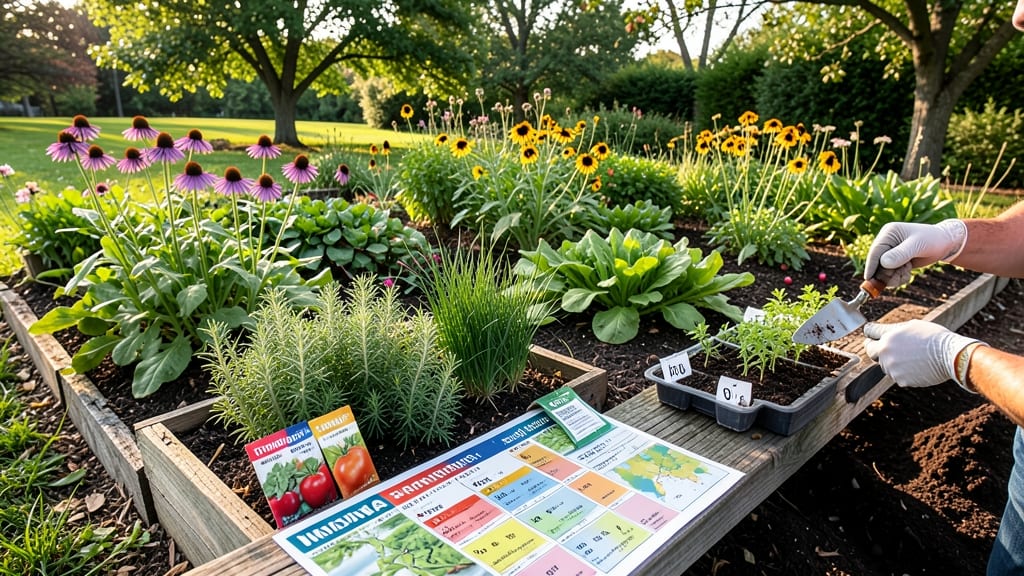
To plant a garden in Indiana, time your sowing between mid-April and mid-May for spring crops and late July to early September for fall planting—skipping the guesswork saves your seedlings from surprise frosts.
Indiana’s unpredictable frost dates can turn a gardener’s dream into a risky gamble—unless you know the exact timing for your hardiness zone and crop type. One late frost in May and your tomato starts are toast, while planting too early in fall risks a blackened kale patch before harvest.
This guide breaks down Indiana’s frost-free windows by zone (5b-6b) and plant categories, so you can avoid late frosts and maximize your harvest. Whether you’re sowing peas in March or tomatoes in June, the key is matching your planting schedule to soil temperatures and local microclimates.
You’ll discover month-by-month planting calendars, pro tips to extend seasons, and how to adjust for Indiana’s variable weather—no more wasted seeds or bolted lettuce. Let’s get those 🌱 growing on the right timeline.
Indiana frost dates by hardiness zone: when to start planting
Indiana’s gardening season hinges on understanding your USDA hardiness zone and frost-free dates. With zones ranging from 5a (northern Indiana) to 6b (southern Indiana), timing is everything—especially when balancing cool-season crops like spinach with warm-season favorites like tomatoes.
A late frost in May can devastate tender seedlings, while waiting too long for fall crops risks missing the harvest window before the first frost in October.
To avoid these pitfalls, I’ve compiled 5-year frost averages from the Indiana State Climate Office, translated into actionable planting windows. Whether you’re in zone 5a (like Gary) or zone 6b (like Evansville), knowing your last spring frost and first fall frost dates is the key to a thriving garden.
Let’s break down what this means for your planting schedule.
Notice how the last spring frost shifts by nearly a month from zone 5a (April 25) to zone 6b (March 25). This means gardeners in southern Indiana can start warm-season crops like tomatoes and peppers nearly a month earlier than their northern counterparts.
For example, if you’re in zone 5a, waiting until May 20 ensures your cucumber seedlings won’t get nipped by frost.
Conversely, the first fall frost also varies dramatically. In zone 5a, you’ve got about 165 frost-free days, while zone 6b enjoys nearly 240 days—a game-changer for extending your harvest.
This is why I always recommend planting cool-season crops like kale and carrots in late summer (August) for a fall harvest, even in northern Indiana.
For warm-season crops, soil temperature matters just as much as air temperature. Most vegetables need soil to reach at least 50°F before planting. In zone 5a, this typically aligns with the May 20 window, while zone 6b can start as early as April 15.
To check soil temperature, use a simple soil thermometer—it’s a small investment that prevents wasted effort on frost-sensitive plants.
Pro tip: Use row covers or cold frames to extend your planting windows by 2–3 weeks in spring and fall. I’ve successfully grown spinach in late October using a simple plastic tunnel, adding weeks to my harvest season.
Even a $20 row cover can mean the difference between a bountiful garden and a failed experiment.
Don’t overlook microclimates in your garden. A south-facing wall or a raised bed can create 5–10°F warmer conditions than the surrounding area, allowing you to plant warm-season crops slightly earlier.
For example, if your garden has a sunny, sheltered spot, you might safely plant tomatoes by May 1 in zone 5b, even if the official frost date suggests waiting until May 10.
Finally, always have a backup plan for late frosts. I keep 6-packs of seedlings on hand
Best planting schedule for Indiana gardens by crop type
Indiana’s gardening season hinges on understanding your hardiness zone (5a-6b) and crop heat tolerance. Cool-season plants like spinach and peas thrive when nights are chilly, while tomatoes and peppers need warm soil to germinate.
The key? Planting at the right time to avoid late frosts that can wipe out tender seedlings.
My strategy? Break the season into four critical windows: early spring, late spring, summer, and fall. Each window targets specific crops based on their temperature needs.
For example, I start cool-season crops as soon as soil is workable (around March 15 in zone 5b), while warm-season crops wait until after May 15—even if the soil looks ready.
Sow peas, spinach, lettuce, and onions directly in garden beds as soon as soil thaws. These crops tolerate light frosts (down to 20°F) and even improve in flavor after frost. For a head start, I begin indoor seed starting in late February for broccoli and cabbage, transplanting outdoors 4–6 weeks before the last frost.
This is the make-or-break window for tomatoes, peppers, and cucumbers. Wait until soil temperatures hit 50°F+ (use a soil thermometer!) and nighttime temps stay above 55°F. In zone 5a, I use row covers or mini tunnels to protect seedlings until after May 15. For eggplants and okra, I wait until June 1 to avoid stunted growth.
Extend harvests by sowing beans, squash, and basil every 2–3 weeks through July. Heat-loving crops like sweet potatoes and melons go in after June 15. I mulch heavily with straw to retain moisture and prevent bolting in lettuce. For herbs, I harvest regularly to encourage bushier growth—cilantro bolts fast in summer, so I replace it with heat-tolerant varieties like 'Santo'.
Don’t let your garden go to waste! Plant kale, radishes, and carrots in late July–early August for a fall harvest. Aim to sow 60–90 days before the first frost (typically mid-October). I use cold frames or low tunnels to extend the season into November for spinach and garlic. For broccoli and cauliflower, I start seeds indoors in August for a winter harvest.
Pro tip: Use Indiana’s 100-day rule for warm-season crops. If you plant tomatoes on June 1, they’ll need until September 10 to mature—well before the first frost. For zone 5a gardeners, I recommend fast-maturing varieties like 'Early Girl' tomatoes or 'Straight Eight' peppers to beat the clock.
Remember, soil temperature matters more than air temperature. A soil thermometer is your best friend—warm-season crops need soil at 60°F+, while cool-season crops can handle 40°F+. Adjust your schedule based on microclimates in your yard (e.g., south-facing beds warm up faster).
With this timing, you’ll maximize your harvest window and avoid the heartbreak of frost-damaged plants.