
Planting
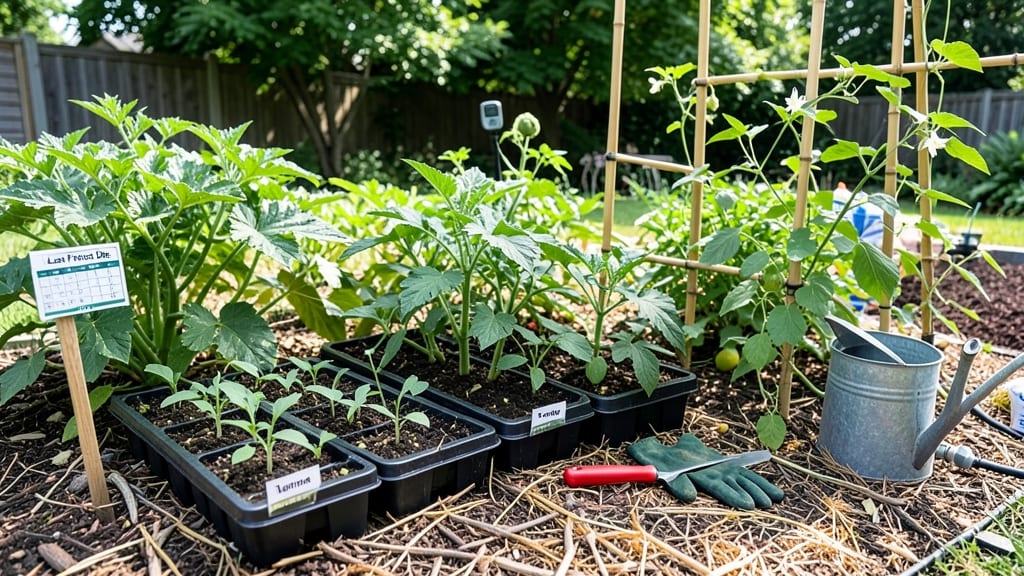
Planting a garden in Missouri requires timing that matches the state’s unpredictable frost dates—spring frost can strike as late as April, while fall frost arrives by October, depending on your county.
Missouri’s unpredictable frost dates can make or break your garden—plant too early, and frost will kill your seedlings; too late, and you’ll miss peak harvests. But with precise county-specific timing, you can optimize your planting schedule for maximum success.
Whether you’re in St. Louis’s USDA Zone 6b or rural Zone 5a, the right window ensures your tomatoes and peppers thrive while avoiding the heartbreak of a late freeze.
I’ll break down the best planting months for cool-season crops like lettuce and warm-season favorites like okra, plus how to adjust for Missouri’s microclimates.
By the end, you’ll know exactly when to start seeds indoors, transplant seedlings, and even extend your growing season with row covers—so you can enjoy a bountiful harvest from June through October.
Missouri’s frost-free planting zones by county: exact dates for cool-season vs. warm-season crops
Missouri spans USDA Hardiness Zones 5a-6b, creating dramatic differences in frost timing between northern counties like Adair (Zone 5a) and southern areas like Cape Girardeau (Zone 6b).
These variations mean your lettuce might thrive in early April in St. Louis County but need to wait until late April in Clay County. Understanding these county-specific frost dates from the Missouri State Climate Center ensures you plant at the perfect moment for maximum yields.
For cool-season crops like spinach and kale, you’ll want to start seeds indoors 4-6 weeks before your last spring frost.
Meanwhile, warm-season plants such as tomatoes and peppers should only go into the ground after soil temperatures consistently reach 60°F—typically 2-4 weeks after your last frost date.
The average frost-free window in Missouri ranges from 180 days in the north to 240 days in the south, giving gardeners a shorter growing season to work with.
Here’s a breakdown of last spring frost dates and first fall frost dates for key Missouri counties, based on 30-year averages. These dates help you schedule direct sowing and transplanting for optimal success.
In northern Missouri, like Adair and Harrison Counties, the last spring frost often arrives after April 20, leaving gardeners with a shorter growing season. This means cool-season crops like broccoli and carrots should be sown by March 15 to mature before fall frost.
Meanwhile, warm-season plants like eggplant may only have time for one full harvest cycle before temperatures drop.
Southern Missouri, including Cape Girardeau and St. Louis, enjoys earlier last frosts and later first frosts, extending the growing season by 4-6 weeks. Here, you can start warm-season crops as early as mid-April and even experiment with fall-planted tomatoes or peppers under row covers.
The longer frost-free window also allows for successive plantings of bush beans or z
How to adjust planting dates for Missouri’s microclimates and unpredictable weather patterns
Missouri’s weather can shift faster than a summer storm—one day it’s warm enough for tomatoes, and the next, frost threatens your seedlings. To beat this unpredictability, I’ve learned to adjust planting dates based on microclimates and soil temperature rather than relying on average frost dates.
Rural areas like Harrison County often experience earlier frosts than St. Louis, so flexibility is key.
Start by checking your local frost history. The Missouri State Climate Center tracks county-specific data, but even then, I recommend adding a 1-2 week buffer for cool-season crops like lettuce or spinach.
For warm-season plants like peppers, wait until the soil reaches at least 60°F—a simple soil thermometer makes this easy.
⚠️ callout warning ⚠️
For St. Louis gardeners, I suggest planting cool-season crops like kale or radishes by March 15th under row covers, then remove them after the last frost (usually April 15th). In rural Harrison County, I delay until April 1st to avoid late frosts.
Warm-season crops like tomatoes or peppers should wait until May 1st in St. Louis and May 15th in northern regions.
Don’t forget backup planting windows. If a late frost hits, I always have a second batch of seeds ready to sow 2 weeks later. For example, if your basil seedlings get nipped, replant another round by June 1st—it’ll still produce before summer’s end.
This strategy ensures I always have fresh herbs for my summer salads.
Another trick? Use mulch to warm soil faster in spring. A thick layer of straw or leaves can raise soil temps by 5-10°F, letting you plant earlier. I also monitor weather forecasts for the National Weather Service’s frost advisories—it’s saved my eggplant starts more times than I can count.
Finally, embrace fall planting for crops like broccoli or carrots. In St. Louis, I sow these by August 1st, and they thrive until the first hard frost. In colder zones, aim for July 15th. With these adjustments, Missouri’s weather won’t dictate your harvest—you will.