
Planting
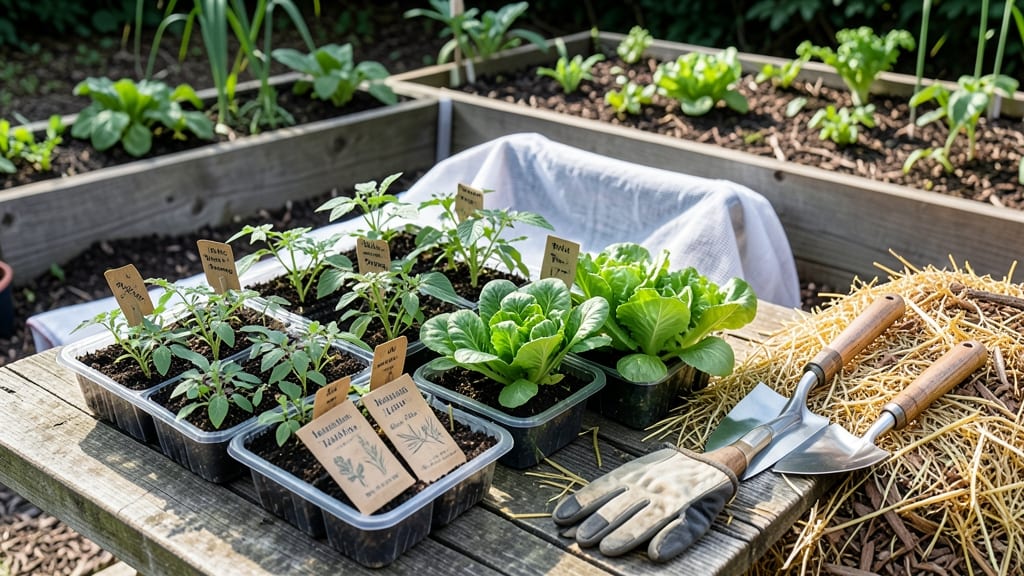
Planting your garden in Pennsylvania at the right time means the difference between a bountiful harvest and a season of disappointment.
Pennsylvania’s diverse climate means your garden’s success hinges on planting at the perfect time—miss the window, and frost or heat can ruin your hard work. Here’s your zone-by-zone guide to planting vegetables, flowers, and herbs in PA, tailored to avoid common mistakes and maximize yields.
Whether you’re in USDA Zone 5b or Zone 7a, knowing when to start seeds indoors, when to transplant, and how to adjust for late frosts is the key to a thriving garden.
I’ll break down the best planting times for cool-season crops like spinach and peas, as well as warm-season favorites like tomatoes and peppers.
By the end, you’ll have a clear timeline for spring, summer, and fall planting, plus tips to extend your growing season with row covers and cold frames. Let’s get those General Garden Plants 🌱 in the ground at the right moment!
PA frost-free dates by hardiness Zone: when to plant cool vs warm season crops
Pennsylvania spans USDA hardiness zones 5b through 7a, meaning frost dates vary dramatically from the Poconos (Zone 5b) to southeastern PA (Zone 7a). Timing your cool-season crops like spinach and peas for spring—and warm-season crops like tomatoes and peppers for summer—depends on these zones.
Miss the window, and you risk frost damage or stunted growth from heat stress.
For example, in Zone 6a (central PA), the average last frost date is April 15, while Zone 7a (southern PA) sees its last frost 2-3 weeks earlier.
Meanwhile, northern PA (Zone 5b) can experience frost as late as May 1. These differences mean your planting schedule must adjust based on your specific location.
Cool-season crops like kale, lettuce, and peas thrive when planted 4-6 weeks before your last frost date, while warm-season crops such as tomatoes, peppers, and basil need to wait until 2-3 weeks after the last frost. Below, I’ve broken down the key frost-free dates and planting windows by zone to help you plan.
| Zone | Last Frost Date | First Frost Date | Cool-Season Planting Window | Warm-Season Planting Window |
|---|---|---|---|---|
| 5b (Poconos, NE PA) | May 1 | October 15 | March 15 - April 15 | May 15 - June 1 |
| 6a (Central PA) | April 15 | October 10 | March 1 - April 1 | April 30 - May 15 |
| 6b (Lancaster, Harrisburg) | April 1 | October 5 | February 15 - March 15 | April 15 - April 30 |
| 7a (Philadelphia, SE PA) | March 15 | October 1 | January 30 - February 15 | April 1 - April 15 |
| 7b (Extreme SE PA) | March 1 | September 30 | January 15 - February 1 | March 20 - April 1 |
*Dates are averages; check local weather forecasts for adjustments.
If you’re in Zone 5b, start cool-season crops like spinach and peas as early as mid-March, while Zone 7a gardeners can begin sowing lettuce and radishes in late January.
For warm-season crops, wait until after May 1 in northern PA but can plant tomatoes and peppers as early as mid-April in southern regions.
Microclimates—like urban heat islands or protected garden spots—can shift your planting window by 1-2 weeks. For example, a south-facing slope warms up faster than a north-facing garden, allowing you to plant warm-season crops earlier. Conversely, low-lying areas may experience frost 10-14 days later than surrounding regions.
To account for these variations, use row covers or cold frames to extend your spring planting window by 2-4 weeks. For fall planting, choose cold-hardy crops like kale, carrots, and garlic and plant them 8-10 weeks before your first frost date.
This ensures they mature before winter sets in.
Pro tip: Bookmark the Penn State Extension’s frost date maps or use a local weather station app to track real-time conditions. These tools help you adjust planting dates based on unpredictable weather patterns, like late spring frosts or early heatwaves.
For container gardening, warm-season crops like basil and peppers can be started indoors 6-8 weeks before your last frost date. Move them outside only after the soil temperature reaches 60°F (15°C), which typically aligns with your warm-season planting window.
Remember, soil temperature matters just as much as air temperature. Use a soil thermometer to confirm when it’s safe to plant warm-season crops. For example, <
Best plants to start indoors vs outdoors in Pennsylvania gardens
Pennsylvania gardeners know timing is everything—especially when deciding whether to start seeds indoors for a head start or sow directly outdoors for hardy crops. The key lies in understanding your last frost date, which ranges from March 15 in southern PA to May 1 in northern regions.
Cool-season crops like broccoli and cabbage thrive when started indoors 6-8 weeks before your last frost, while warm-season tomatoes and peppers need to wait until after the frost danger has passed.
Direct-sowing outdoors is ideal for fast-growing plants like radishes or spinach, which can handle cooler temperatures and don’t need the extra time indoors. However, delicate seedlings like basil or eggplants will bolt or struggle if planted too early.
Transplanting shock is also a real risk, so hardening off seedlings for 7-10 days before moving them outside is a must.
Extending your growing season with cold frames or row covers can push your planting windows even further. For example, you can start spinach or lettuce as early as February in southern PA by using a cold frame to protect young seedlings from late frosts.
Similarly, row covers can help you plant cucumbers or squash 2-3 weeks earlier in spring or keep them growing into early fall.
When transplanting, focus on watering deeply the day before and after moving plants outdoors to reduce shock. Avoid transplanting on windy days or when temperatures are extreme—ideal conditions are overcast and mild. For container-grown seedlings, use biodegradable pots to minimize root disturbance when planting.
Remember that herbs like parsley and cilantro are biennials and can often overwinter in PA with a thick layer of mulch. Meanwhile, warm-season flowers like marigolds can be direct-sown after the last frost to attract pollinators and deter pests naturally.
By mastering these timing strategies, you’ll turn your PA garden into a year-round productivity powerhouse.
🌱