
Planting
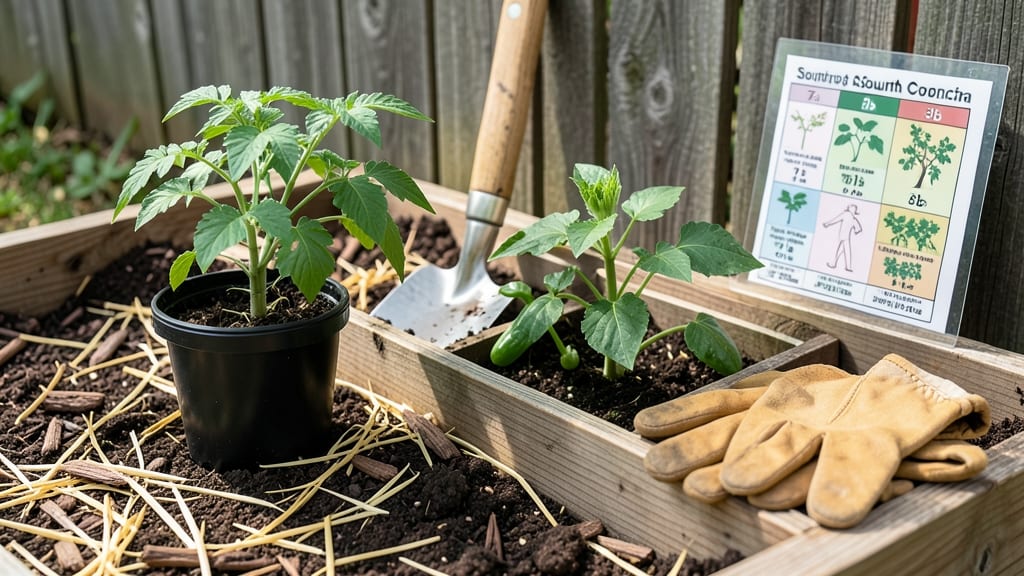
To plant a garden in South Carolina, aim for late February through early April for spring or August to September for fall, aligning with the state’s Zone 8A and 8B frost-free windows.
Miss those dates, and you risk bolting greens or wilting vines before they mature. The key is knowing your microclimate—coastal areas warm faster than Piedmont hills, and a 3-week difference can mean the difference between a bountiful harvest and a sad compost pile.
Whether you’re sowing heat-loving tomatoes or cool-season spinach, timing matters more than soil prep. I’ll break down the exact frost-free dates for your region, which crops thrive in each window, and how to stretch your season with simple tricks.
Ready to grow? Let’s turn those 210 frost-free days into a year-round harvest—no guesswork, just results.
South Carolina frost dates by zone: exact planting windows for spring & fall crops
South Carolina’s Zone 8A (cooler inland areas) and Zone 8B (coastal regions) offer distinct planting opportunities thanks to their unique microclimates. Understanding these frost-free dates is critical—getting it wrong can mean lost crops or stunted growth.
For Zone 8A, the average last frost date hovers around March 15, while Zone 8B typically sees its final frost by March 1. These dates shift slightly each year, so always check local forecasts before planting heat-loving crops like tomatoes or peppers.
Coastal areas in Zone 8B enjoy a longer growing season due to the moderating ocean breezes, which delay frost and reduce heat stress. Inland Zone 8A gardens, however, face cooler nights and earlier frosts, especially in higher elevations like the Upstate.
This means cool-season crops like lettuce or broccoli can thrive in Zone 8A as early as February, while Zone 8B gardeners should wait until late February to early March to avoid frost damage.
Heatwaves also play a role—Zone 8B’s humidity can stress plants like squash or cucumbers if planted too early. Conversely, Zone 8A’s cooler temperatures might delay the growth of warm-season staples if seeded before the soil warms to 60°F. Always monitor soil temperatures with a soil thermometer to ensure optimal conditions for germination.
For warm-season crops like tomatoes, peppers, and squash, Zone 8B gardeners can start seeds indoors as early as February and transplant outdoors by mid-March.
In Zone 8A, hold off until mid-April to avoid frost damage. Use row covers or cold frames to extend your window if you’re eager to plant early.
Conversely, cool-season crops such as kale, spinach, and carrots can be sown in Zone 8A as early as February, while Zone 8B’s milder winters allow for fall plantings until October. Succession planting every 2–3 weeks ensures a continuous harvest of leafy greens.
Microclimates can shift these dates by 5–10 days. For example, a south-facing slope in Zone 8A might warm up faster than a north-facing valley, allowing earlier plantings.
Similarly, urban areas with heat islands (like Charleston) may experience earlier last frosts than rural zones. Always scout your specific location for 3–5 years to refine your planting schedule.
Heatwaves in June and July can stress heat-sensitive crops like cucumbers or beans, especially in Zone 8B’s humid climate. Provide shade cloth or mulch to retain moisture and cool roots. In Zone 8A, late-summer heatwaves may push first frost dates earlier, so prioritize fast-maturing varieties for fall crops.
To maximize your garden’s potential, align your plantings with these frost-free windows and adjust for local conditions. Start with cool-season crops in early spring, transition to warm-season staples by mid-spring, and replant cool-season greens in late summer for a fall harvest.
With precise timing, you can enjoy a year-round bounty in South Carolina’s diverse climate zones.
🌱
Best crops to plant now in SC: month-by-month schedule for zone 8A & B
South Carolina’s Zone 8A and 8B offer two distinct growing seasons—spring and fall—with warm summers in between. For Zone 8A (cooler inland areas), focus on early spring plantings after your mid-March last frost, while Zone 8B (coastal) can start slightly earlier due to milder winters.
The key? Succession planting to keep your harvests flowing all season long.
Whether you’re planting cool-season crops like kale and peas in March or heat-loving tomatoes and peppers in May, timing is everything. Below is your month-by-month guide to maximize yields in both zones, with special attention to humidity-resistant varieties for Zone 8B and frost-tolerant options for Zone 8A’s later springs.
- 1 March (Zone 8A: After last frost | Zone 8B: Early March): Plant cool-season crops like broccoli, cabbage, and peas. Zone 8B can add spinach and lettuce earlier.
- 2 April (Both Zones): Direct sow carrots, radishes, and bush beans. Transplant tomato and pepper starts after soil warms to 60°F+. Zone 8B can start okra and sweet potatoes early.
- 3 May (Zone 8B: Early May | Zone 8A: Mid-May): Plant heat-tolerant crops like squash, cucumbers, and melons. Succession plant green beans and corn every 2 weeks for continuous harvests.
- 4 September (Both Zones): Start fall crops like kale, collards, and turnips. Zone 8A can plant broccoli and cabbage earlier. Avoid planting warm-season crops after mid-September.
- 5 October-November (Zone 8B: Until mid-November | Zone 8A: Early October): Plant garlic and onions for next year’s harvest. Zone 8B can extend spinach and lettuce until frost. Mulch heavily to protect roots.
For Zone 8B’s humidity, opt for disease-resistant varieties like 'Celebrity' tomatoes or 'Malabar spinach', which thrive in heat and moisture.
In Zone 8A, prioritize frost-hardy crops like Swiss chard or 'Winterbor' kale, which handle cooler temperatures better. Succession planting every 2-3 weeks ensures a steady supply of fresh produce.
Pro tip: Use row covers in Zone 8A to extend early spring plantings by 2-3 weeks, while shade cloth in Zone 8B protects summer crops from scorching.
Monitor your local frost dates—Zone 8A’s first frost typically hits mid-November, while Zone 8B may see frost as late as December.
With this schedule, you’ll enjoy homegrown harvests from March through November, even in South Carolina’s unpredictable climate. Happy planting! 🌱