
Planting
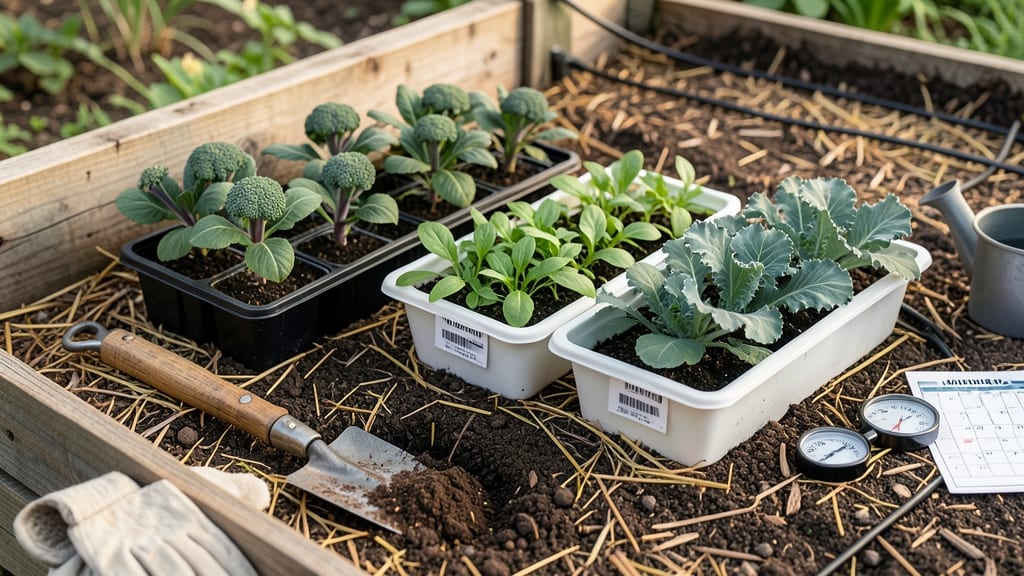
To plant a fall garden in South Texas, start between mid-August and early October—this window is your golden ticket to a harvest before the first frost 🌱.
South Texas gardeners know the clock is ticking—scorching summer heat gives way to the critical fall planting window, where a single missed week could mean frost-killed crops instead of a bountiful harvest.
This isn’t just about timing; it’s about choosing the right heat-tolerant crops that thrive in the transition from summer’s swelter to autumn’s chill. The key? Planting 6-8 weeks before your average first frost (usually mid-December) to ensure your veggies mature before the cold sets in.
Below, I’ll break down the exact dates, the best crops for your zone, and the simple steps to prep your soil—so you can avoid common mistakes and enjoy a longer harvest season than you ever thought possible.
South Texas fall planting timeline: exact dates for heat-tolerant vegetables
South Texas gardeners have a short but sweet window to plant fall crops—typically from mid-August through early October. Missing this timeline risks frost-killed seedlings or stunted harvests, especially with heat-tolerant varieties like okra and sweet potatoes that need time to mature before first frost dates (October 15–November 15).
The Rio Grande Valley enjoys a 2–3 week extension compared to the Hill Country due to milder microclimates.
Your last frost date determines planting deadlines. In USDA Zones 9a–10a, most fall crops need 60–90 days to harvest before temperatures dip below 32°F (0°C). Start with fast-maturing varieties (e.g., bush beans in 50 days) if you’re planting late.
Below, I’ve broken down the exact monthly windows for South Texas’s most reliable fall crops, including regional adjustments.
🌱 PRO TIP: Use row covers or cold frames to extend harvests by 2–4 weeks in frost-prone areas. For example, collards planted in late September in the Hill Country can survive until December 1 with protection.
| Month | Crop | Planting Window (RGV vs. Hill Country) | Days to Harvest | Key Notes |
|---|---|---|---|---|
| Mid-August | Okra | RGV: Aug 15–Sep 15 Hill Country: Aug 20–Sep 10 |
50–60 days | Direct sow; tolerates 95°F+ heat. |
| Late August | Sweet Potatoes | RGV: Aug 25–Sep 5 Hill Country: Aug 30–Sep 1 |
90–100 days | Slips planted in well-drained soil; mulch heavily. |
| Early September | Tomatoes (Heat-Tolerant) | RGV: Sep 1–15 Hill Country: Sep 5–10 |
60–75 days | Choose ‘Celebrity’ or ‘Solar Fire’ varieties. |
| Mid-September | Collards | RGV: Sep 10–25 Hill Country: Sep 15–20 |
45–60 days | Direct sow or transplant; sweetens after frost. |
| Late September | Peppers (Bell/Chili) | RGV: Sep 20–Oct 5 Hill Country: Sep 25–Oct 1 |
60–70 days | Transplant after soil cools below 85°F. |
| Early October | Turnips | RGV: Oct 1–15 Hill Country: Oct 5–10 |
30–40 days | Fast-growing; harvest before first frost. |
| October 15+ | Leafy Greens (Spinach, Kale) | RGV: Oct 15–Nov 1 Hill Country: Oct 20–Oct 30 |
25–35 days | Use row covers to delay frost damage. |
In the Rio Grande Valley, where mild winters delay frost until December 1–15, you can push planting dates 2–3 weeks later than the Hill Country.
For example, okra can be sown as late as September 15 in RGV but risks stunted growth if planted after September 10 in San Antonio.
Soil temperatures are critical—aim for 60–70°F (15–21°C) for most seeds. Test your soil’s temperature at 4-inch depth with a soil thermometer before planting. If temperatures exceed 85°F (29°C), opt for shade cloth or delay until evening planting to reduce stress on seedlings.
🌡️ WARNING: Avoid planting cool-season crops like broccoli or cabbage before September 15—they’ll bolt in 90°F+ heat. Instead, focus on heat-loving crops
Top 7 heat-tolerant crops for South Texas fall gardens (and how to extend their season)
Fall gardening in South Texas isn’t about escaping summer’s heat—it’s about choosing heat-tolerant crops that thrive when temperatures dip but still hold their own. The key? Planting 6-8 weeks before frost (typically mid-August to early October) and using mulch to regulate soil temps.
These 7 crops deliver high yields even as days grow shorter, with some even sweetening under cooler nights.
I’ve grown these in Zone 9a-10a for years, and they consistently outperform store-bought greens. The secret? Pairing drought-resistant varieties with companion planting to deter pests like aphids and squash bugs.
For example, collard greens paired with marigolds repel cabbage worms while improving flavor. Let’s dive into the specifics—from days-to-maturity to soil prep hacks that keep roots cool.
- 1 Plant okra (35–50 days) and sweet potatoes (90–120 days) by mid-August—they love the residual summer heat but mature before frost. Use black plastic mulch to warm soil and speed germination.
- 2 Sow collard greens (45–60 days) and mustard greens (30–40 days) in late August for harvests through December. Amend clay soil with compost to prevent waterlogging, and side-dress with fish emulsion for leafy growth.
- 3 Transplant tomatoes (60–75 days) and peppers (60–80 days) in early September, choosing heat-set varieties like ‘Celebrity’ tomatoes or ‘Jalapeño M’ peppers. Prune suckers aggressively to redirect energy to fruit.
- 4 Direct-seed carrots (60–75 days) and beets (50–60 days) in September, keeping soil loose to prevent forking. Thin seedlings to 2 inches apart and mulch with straw to retain moisture.
- 5 Add turnips (30–50 days) and radishes (25–30 days) for quick harvests in October. These bolt-resistant varieties tolerate light frosts and add nitrogen to the soil as they break down.
- 6 For herbs like cilantro (40–50 days) and parsley (70–80 days), plant in shaded beds by late September. They’ll thrive under partial sun and add fresh flavor to your fall harvests.
- 7 Extend the season with cold frames or row covers for broccoli (50–70 days) and kale (50–60 days), planting by early October. These hardy greens sweeten after light frosts and resist pests like cabbage loopers.
Pro tip: Succession plant fast growers like radishes and turnips every 2 weeks to stagger harvests. I’ve had radishes ready by Halloween one year—kids loved pulling them up!
For root crops, water deeply once a week to encourage straight growth, and avoid overhead watering to prevent fungal diseases like early blight on tomatoes.
To maximize yields, rotate crops annually and avoid planting the same family (like tomatoes and peppers) in the same spot. I lost half my pepper plants last year to verticillium wilt—now I sterilize soil with solarization before replanting.
Pair basils with tomatoes to repel whiteflies, and let marigolds bloom near the garden edges to attract beneficial insects.
Don’t forget: Monitor your local frost dates—the Rio Grande Valley often escapes frost until December 15, while the Hill Country may see light frosts by November 15. Use a frost cloth on sensitive crops like kale if temps dip below 32°F.
With these strategies, you’ll enjoy a bountiful fall harvest long after your neighbors’ gardens have gone dormant.